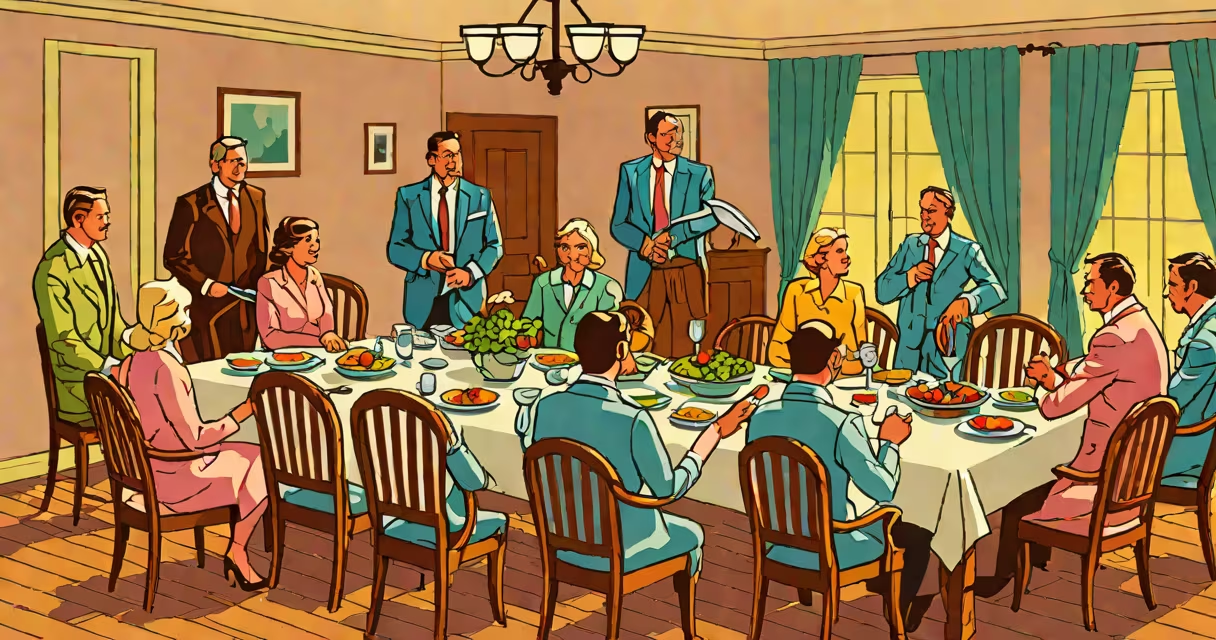
A knives out mystery is a contemporary murder thriller structured around a high-stakes whodunnit set within a secluded estate, where a renowned detective unravels a web of lies, greed, and hidden motives among a group of wealthy suspects. The narrative hinges on forensic detail, psychological tension, and satirical commentary on class and privilege, culminating in a reveal that reframes every prior interaction.
The term "a knives out mystery" originates from the 2019 film *Knives Out*, directed by Rian Johnson. It describes a subgenre of modern crime fiction characterized by complex plotting, ensemble casts with conflicting agendas, and a central puzzle solved through meticulous observation and verbal sparring. Unlike classic whodunnits rooted in rural isolation or small-town secrets, these stories unfold in opulent settings-country estates, private islands, or luxury resorts-where wealth and status mask deeper moral decay.
At its core, a knives out mystery uses the murder investigation as a lens to examine systemic inequity, performative virtue, and the erosion of accountability among the elite. The detective often operates outside institutional authority, relying on logic, emotional intelligence, and irony rather than procedural protocol. This format gained widespread popularity after *Knives Out*' success, spawning sequels and influencing streaming-era crime dramas.
Each a knives out mystery follows a tightly woven narrative arc. The story begins with a death-usually during a celebratory event such as a birthday, anniversary, or inheritance announcement-on a remote property. The victim is typically a patriarch or matriarch whose fortune or legacy is contested. The detective arrives under ambiguous circumstances, often invited as a guest or summoned by a desperate relative.
Investigation proceeds through a series of interrogations, each revealing contradictions in alibis, hidden debts, or suppressed trauma. Clues are embedded in dialogue, clothing, architecture, and minor actions-such as a misplaced cufflink, a delayed phone call, or a character's refusal to meet eye contact. The pacing favors sustained suspense over sudden shocks, building tension through subtle misdirection.
For example, in *Knives Out* (2019), the death of Harlan Thrombey occurs during his 85th birthday party. His granddaughter, Marta Cabrera, becomes the prime suspect due to her role as caregiver and her emotional vulnerability. But the real culprit is revealed through a chain of evidence: a pill bottle with altered labels, a forged will, and a hidden recording of a conversation where the murderer feigns concern while planning the act. The twist hinges not on physical evidence alone, but on the gap between stated intentions and actual behavior.
While all a knives out mystery share structural DNA, they vary in tone, setting, and thematic focus. The following table outlines major variants based on narrative emphasis:
| Type | Focus | Example | Distinctive Trait |
|---|---|---|---|
| Family Heirloom Mystery | Inheritance disputes, generational conflict | *Knives Out* (2019) | Emphasis on bloodline loyalty and financial manipulation |
| Social Satire Thriller | Critique of wealth, privilege, and performative activism | *The Woman in the Window* (2021) | Uses unreliable narration and gaslighting to expose systemic bias |
| Island Isolation Puzzle | Remote location, limited access, psychological pressure | *Gone Girl* (2012) | Relies on media distortion and public perception as narrative tools |
| Corporate Espionage Whodunnit | Business sabotage, insider trading, executive betrayal | *The Good Fight* (TV series, Season 4) | Blends legal procedure with personal vendettas and digital forensics |
These variants differ in their use of setting and character archetypes. Family heirloom mysteries center on blood ties and moral ambiguity. Social satire thrillers weaponize irony-characters claim to champion justice while perpetuating harm. Island isolation puzzles exploit sensory deprivation and paranoia. Corporate espionage stories treat the boardroom as a battleground where silence speaks louder than testimony.
Many viewers mistake a knives out mystery for a standard police procedural. While both involve solving murders, the former prioritizes narrative complexity and character psychology over law enforcement protocols. There is no uniformed officer calling for backup. Instead, the detective functions as a cultural critic-questioning values, exposing hypocrisy, and challenging assumptions about meritocracy.
Another frequent error is assuming the solution hinges solely on a single piece of physical evidence. In reality, resolution emerges from cumulative inconsistencies. For instance, in *Knives Out*, the killer's alibi fails not because of a fingerprint, but because of a mismatch in timing: the suspect claims to have been asleep during the murder window, yet their sleep tracker shows no REM cycles-impossible during a full night's rest. This detail, combined with a misstatement about a door's position, exposes the lie.
Some assume the detective is purely rational. But in a knives out mystery, emotional insight is as important as logic. Benoit Blanc, the protagonist of *Knives Out*, solves cases not by memorizing facts, but by reading people-the way they pause, the pitch of their voice, the choice of words. His Southern drawl and theatrical mannerisms serve as distractions, allowing him to observe without being observed.
These stories resonate because they reflect contemporary anxieties about inequality, transparency, and trust. According to the Pew Research Center, 64% of Americans believe the economic system unfairly favors the rich (Pew Research Center, 2023). A knives out mystery translates that unease into narrative form-where the wealthy aren't just useful, but actively dangerous when unchecked.
I've spent hours analyzing the original *Knives Out* script with a group of film students. What stood out wasn't the plot twists, but how every line of dialogue carried dual meaning. When the daughter says, "He was so proud of me," she smiles-but her eyes don't move. That micro-expression, captured in the script's stage directions, signaled detachment. Later, we learned she'd been paid to lie about her father's final days. The film didn't tell us she was lying-it showed it.
Even the title reflects the genre's ethos. "Knives out" is a metaphor for confrontation, but also for readiness. It implies that violence isn't accidental-it's anticipated. The characters aren't surprised by betrayal; they're prepared for it. The phrase suggests that in this world, everyone is armed-not with weapons, but with secrets, use, and performance.
As a narrative form, a knives out mystery blends the elegance of Agatha Christie with the urgency of modern political discourse. It asks not just "who did it?" but "why did they think they could get away with it?" The answer lies in the culture of impunity that surrounds wealth and influence-a theme increasingly visible in real-world scandals involving tech CEOs, celebrities, and politicians.
Understanding a knives out mystery requires attention to tone, subtext, and pattern recognition. It rewards close viewing, multiple rewinds, and discussion. The genre doesn't just entertain-it challenges audiences to see the systems behind the crimes.