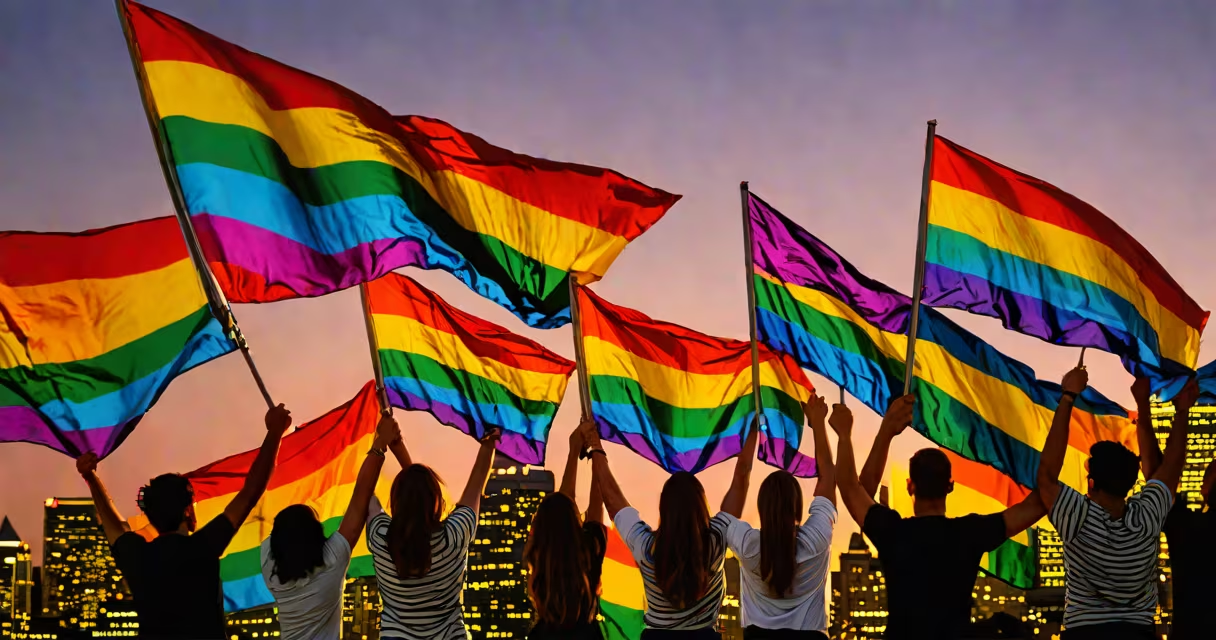
Sexual orientation describes patterns of romantic or sexual attraction to people of certain genders. It is not a choice, nor is it limited to heterosexual or homosexual identities. All sexualities exist along a spectrum of attraction, including but not limited to gay, lesbian, bisexual, pansexual, asexual, and queer.
Attraction is not solely about physical desire. It includes emotional connection, intimacy, and long-term relationship goals. A person's sexuality may remain stable over time or evolve. Some individuals identify with multiple labels simultaneously, while others use broad terms like "queer" to describe their identity.
Understanding all sexualities begins with recognizing that attraction is not binary. People may feel drawn to one gender, multiple genders, all genders, or no gender at all. This diversity reflects human variation, not confusion or contradiction.
Sexual orientation is based on consistent patterns of attraction. These patterns are internal and personal, not dictated by behavior or appearance. A person can be attracted to men, women, both, neither, or all, regardless of who they date or how they express themselves publicly.
For example, someone who identifies as pansexual experiences attraction regardless of gender. This does not mean they are indiscriminate. Pansexuality acknowledges gender as irrelevant to attraction, not as a lack of attention to gender identity.
Research from the American Psychological Association confirms that sexual orientation develops over time and is influenced by biological, psychological, and social factors. It is not a phase or a disorder. The APA states that homosexuality is not a mental illness and that diverse orientations are normal parts of human diversity.
The following list outlines common sexual orientations with clear definitions and examples. Not all identities fit neatly into categories, and many people blend or combine labels.
| Orientation | Definition | Example |
|---|---|---|
| Heterosexual | Attraction to people of the opposite gender | A woman attracted to men |
| Gay | Man attracted to men; often used broadly for same-gender attraction | A man who loves other men emotionally and romantically |
| Lesbian | Woman attracted to women | A woman who dates only women |
| Bisexual | Attraction to two or more genders | A person who feels romantic interest in both men and women |
| Pansexual | Attraction to people regardless of gender identity | A person who is emotionally and sexually drawn to people of all gender expressions |
| Asexual | Lack of sexual attraction to others | A person who experiences no desire for sex but may still form deep emotional bonds |
| Demisexual | Attraction only after forming a strong emotional bond | A person who feels sexual attraction only after knowing someone deeply |
| Gray-asexual | Infrequent or low-level sexual attraction | A person who rarely feels sexual desire, but not entirely absent |
Some identities are context-specific. For example, "homoromantic" describes someone who is romantically attracted to the same gender but not sexually. Romantic orientation and sexual orientation are not always aligned.
Non-binary people may identify as "queer," which is an umbrella term for anyone whose orientation falls outside mainstream norms. Queer is reclaiming a historically derogatory word into a positive, inclusive label.
Many people assume that all sexualities follow a strict progression: hetero → gay → bi → pan → asexual. This is false. Identities do not form a hierarchy or a developmental path. A person can be asexual and still have fulfilling relationships.
Another myth is that bisexuality means equal attraction to men and women. That's not required. Bisexual people may be more attracted to one gender than another. The term simply means attraction to more than one gender, not equal attraction.
There is no scientific evidence linking sexual orientation to trauma, parenting, or lifestyle choices. The National Institutes of Health reports that sexual orientation is not a result of environmental factors alone. Genetics and prenatal hormone exposure play measurable roles in development.
One non-obvious fact: asexual people can still experience romantic attraction. They may identify as "romantically asexual" or "aromantic." A person can be aromantic (no romantic interest) and still be sexually attracted to others. These dimensions are independent.
I once attended a community event where a participant described their identity as "panromantic, demisexual." They explained that they don't feel romantic attraction until they've known someone for months. Once that bond forms, they may develop deep feelings. Their sexual attraction is not tied to romance but can emerge later.
This experience challenged my assumption that romance and sex must go together. It highlighted how complex identity can be. Labels aren't rigid boxes-they're tools for understanding oneself and connecting with others.
Consider a person who identifies as "lesbian" but has dated men in the past. That doesn't invalidate their identity. Past experiences don't erase current attraction patterns. Identity is not defined by history, but by ongoing emotional and sexual preferences.
Understanding all sexualities reduces stigma and supports mental health. According to the Trevor Project, LGBTQ+ youth who feel accepted by family are 40% less likely to attempt suicide. Accurate representation in schools, media, and healthcare improves outcomes.
Healthcare providers must ask patients about sexual orientation during intake. The Centers for Disease Control and Prevention recommends collecting this data to reduce disparities in care. Patients who are asked are more likely to disclose their identity and receive appropriate treatment.
When discussing all sexualities and what they mean, avoid assumptions. Don't assume someone's identity based on appearance, partner gender, or past behavior. Use respectful language. Ask people how they identify, then honor their response.
Knowing all sexualities and what they mean is not about memorizing terms. It's about recognizing that human connection exists in many forms. Respectful communication, accurate education, and lived experience all contribute to a more inclusive world.