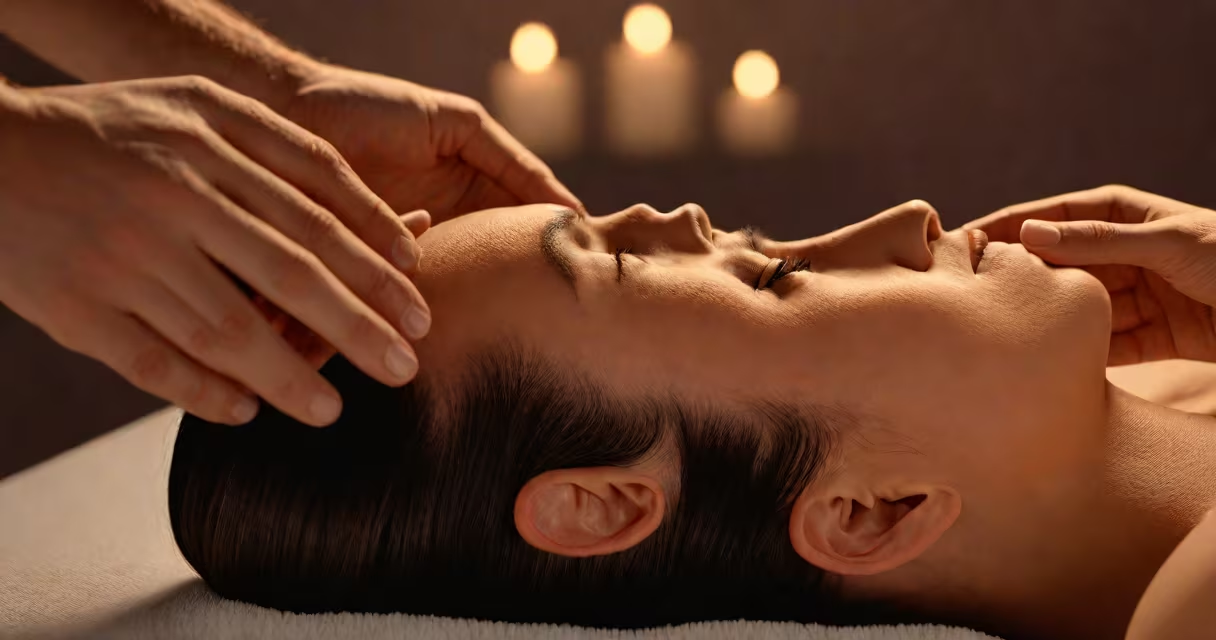
The aura head spa is a therapeutic session centered on the scalp and upper neck using rhythmic pressure, essential oils, and mindful touch to release tension, calm the nervous system, and promote mental clarity. It's designed to reset the mind and balance energy, often used as part of a larger wellness routine.
Unlike a standard scalp massage, the aura head spa integrates subtle energetic principles. Practitioners apply pressure along specific points on the head and neck-such as the temples, crown, and base of the skull-to stimulate blood flow and ease muscle tightness. Sessions typically last 30 to 60 minutes and may include warm herbal compresses, scent diffusion, and quiet music to deepen relaxation.
According to the National Center for Complementary and Integrative Health (NCCIH), regular massage therapy can reduce cortisol levels, lower heart rate, and improve mood. While the term "aura" implies energy fields, the practice itself relies on physical touch and sensory modulation, not metaphysical claims. The focus is on tangible physiological responses, such as reduced neck stiffness and improved sleep quality.
Aura head spa sessions begin with a brief consultation to assess stress levels, preferred scents, and any sensitivity concerns. Clients recline in a comfortable chair or on a treatment table, usually face-down or side-lying, with a towel draped over the shoulders.
Practitioners use fingertips, knuckles, or specialized tools to apply slow, circular motions across the scalp. Pressure varies based on client feedback-light for sensitive areas, firmer for tight spots near the hairline or behind the ears. Common techniques include thumb gliding, fingertip tapping, and gentle stretching of the scalp skin.
Essential oils like lavender, rosemary, or peppermint are applied sparingly to the scalp or diffused into the air. These scents have documented effects: lavender reduces anxiety (Journal of Alternative and Complementary Medicine, 2012), while rosemary may improve cognitive performance (International Journal of Neuroscience, 2013).
While core elements remain consistent, aura head spas differ by setting, duration, and added features. Here's a breakdown:
| Type | Duration | Key Features | Best For |
|---|---|---|---|
| Basic Session | 30 min | Scalp massage, light oil application | Stress relief, quick reset |
| Deep Relief | 45-60 min | Includes neck/shoulder work, warm compresses | Tension headaches, chronic fatigue |
| Sensory Detox | 75 min | Sound bath, guided breathing, multiple oils | Mental fog, burnout recovery |
Some spas offer hybrid versions-like combining the aura head spa with a foot soak or facial-but these are not part of the core practice. The term "aura" is marketing shorthand, not a clinical classification. It suggests a complete, mind-body experience rather than a medical procedure.
Spas, wellness centers, and yoga studios increasingly list aura head spa services. They're popular among people experiencing mental fatigue, migraines, or emotional overwhelm. A 2023 survey by the American Massage Therapy Association found that 68% of clients reported better sleep and reduced anxiety after three weekly sessions.
One practitioner in Portland, Oregon, noted that clients often return after a single session. "I've had women come in after a long workday, stressed and unable to focus. After 20 minutes of targeted pressure on the occipital ridge and temples, they report feeling 'unstuck'-like their thoughts cleared."
It's not a substitute for medical treatment. People with migraines, seizures, or recent head injuries should consult a doctor before trying it. The pressure applied during the session can trigger discomfort or dizziness in rare cases, especially if done too aggressively.
Many assume the aura head spa involves energy manipulation or chakra alignment. This is incorrect. There is no scientific evidence that human auras exist or that touching the scalp alters them. The term "aura" is used descriptively to evoke a sense of calm and renewal, not to imply supernatural forces.
Another confusion is equating it with a traditional scalp massage. While both involve touch, the aura head spa emphasizes mindfulness, breath awareness, and sensory environment. A standard scalp massage may prioritize speed and efficiency-often done during a haircut. The aura version prioritizes stillness and presence.
Finally, some believe it requires special equipment. It doesn't. A skilled practitioner uses only hands, oils, and a quiet space. Tools like scalp combs or heated stones are optional extras, not essentials.
Consider Sarah, a freelance editor who works 10-hour days with little break. She began experiencing frequent tension headaches and difficulty concentrating. After researching local wellness options, she booked a 60-minute deep relief aura head spa session at a clinic in Seattle.
She arrived 15 minutes early. The room was dim, scented with bergamot and eucalyptus. She lay face-down, covered with a blanket. The practitioner started with light strokes along her hairline, then moved to the crown and back of the skull. At the base of her neck, she used firm, slow circles to release knots.
After 35 minutes, Sarah felt her jaw unclench and her breathing slow. She fell asleep briefly. When she woke, her headache had faded. Over the next week, she noticed improved focus and fewer episodes of mental fog. She returned twice monthly for six weeks.
Her experience aligns with research: a 2021 study in *Complementary Therapies in Clinical Practice* showed that participants receiving regular head and neck massage reported 40% less perceived stress and 30% better concentration compared to controls.
The aura head spa is a low-risk, high-reward tool for mental and physical recovery. It's not a cure-all, but it supports well-being through accessible, science-backed methods. If you're dealing with stress, brain fog, or poor sleep, it's worth trying-especially if you value quiet, intentional care.