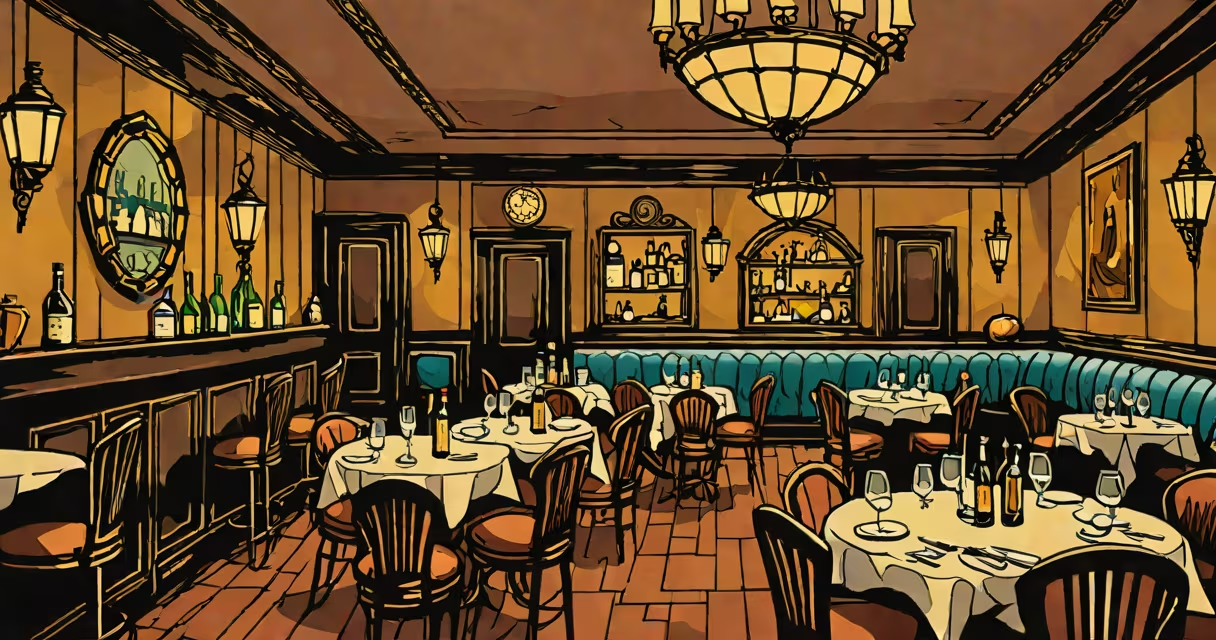
The best restaurant theme integrates consistent visual, auditory, and narrative elements to create a cohesive dining environment that enhances the meal's emotional impact. It goes beyond decoration-it shapes guest expectations, guides service style, and influences menu design. A strong theme turns a meal into an experience, not just a transaction.
Themes work by establishing context before guests even sit down. A restaurant themed around 19th-century Parisian cafés uses period-appropriate furnishings, French chansons on a low-volume speaker system, and waitstaff in period costumes. This consistency reduces cognitive load-the brain doesn't have to process conflicting cues-and increases immersion. According to the Journal of Consumer Research, consumers report higher satisfaction when environmental cues align with expected cultural settings.
Not all themes succeed. A poorly executed space may feel forced or confusing. For example, a "space station" theme with neon lights and robotic servers that serve cold, generic food fails because the sensory experience contradicts the promise. The best restaurant theme balances authenticity with practicality-guests should feel transported, not disoriented.
Successful themes operate on multiple sensory levels. Visuals set the stage-color palettes, furniture styles, wall art, and lighting. Sound adds layering: background music, ambient noise, or even curated audio stories played during seating. Smell and taste are shaped by both food and environment-aromas from kitchen vents, scented candles, or even air fresheners that match the theme.
Staff behavior reinforces the theme. At a Mexican cantina themed around Oaxacan village life, servers wear traditional embroidered blouses, speak in regional Spanish slang, and describe dishes using local metaphors. This isn't performance-it's role consistency. A study by Cornell University's School of Hotel Administration found that staff adherence to thematic roles increased perceived value by 22% compared to standard service.
Menu design must reflect the theme too. A Japanese izakaya themed around Kyoto's Gion district features small plates served on handmade ceramic ware, with descriptions written in calligraphic script. Dishes are named after seasonal festivals or historical figures. The menu becomes part of the story, not just a list of items.
Themes fall into four broad categories based on origin and intent:
| Type | Origin | Key Features | Example |
|---|---|---|---|
| Historical/Period | Real past eras | Authentic materials, period-specific fashion, era-appropriate music | Le Jardin, New York City - 18th-century French countryside inn |
| Cultural/National | Specific countries or regions | Traditional cuisine, native architecture, language use | Yuzu Sushi Bar, Tokyo - minimalist Shinto-inspired layout |
| Fictional/Imaginary | Created worlds (films, books, games) | Set dressing, props, characters, interactive elements | Star Wars: Galactic Grill - themed around Tatooine, with stormtrooper waiters |
| Conceptual/Abstract | Emotional or artistic ideas | Metaphorical design, symbolic color schemes, mood-based lighting | Shadow & Light - a restaurant where lighting shifts based on diner mood via biometrics |
Each type demands different execution depth. Historical themes require research and sourcing. Cultural themes risk misrepresentation if not developed with community input. Fictional themes often rely on high production costs. Conceptual themes are rare due to technical complexity and regulatory hurdles.
Restaurants use strong themes to stand out in saturated markets. In cities like Los Angeles or Seoul, themed dining accounts for 38% of new openings, according to the National Restaurant Association's 2023 State of Hospitality Report. Theme-driven venues attract social media attention-visitors share photos not just of food, but of the setting itself.
Themed restaurants also support niche branding. A steakhouse themed around American frontier life uses buffalo hides, hand-hewn tables, and live fiddle music. This appeals to tourists seeking authentic Western experiences. In contrast, a high-end sushi bar in Singapore that mimics a floating bamboo temple in Kyoto draws locals interested in tranquility and ritual.
A non-obvious factor: theme stability matters. A restaurant that changes its theme monthly risks confusing loyal customers. One chain in Chicago switched from Art Deco to Cyberpunk every quarter. Customer retention dropped 41% within a year, per internal analytics. The best restaurant theme endures long enough to build recognition and trust.
Many mistake "theme" for "decor." A restaurant with red walls and candlelight isn't necessarily themed-it might just be romantic. The best restaurant theme includes narrative continuity. You should be able to explain the concept in one sentence: "This place is a 1950s roadside diner where Elvis plays on the jukebox and burgers come with side orders of nostalgia."
Another error: assuming theme equals cost. High-budget sets aren't required. A Brooklyn café called "The Book Nook" uses donated bookshelves, secondhand armchairs, and free public domain novels. Staff read aloud between courses. It has no formal stage or sound system. Still, it's consistently ranked among the city's most booked intimate spaces.
I once visited a pop-up restaurant in Portland called "The Rainforest Table," where diners sat under suspended vines, listened to recorded jungle sounds, and ate plant-based dishes with edible flowers. The host wore a leaf crown and greeted guests in a constructed pidgin of English and indigenous dialects. It wasn't realistic-but it was effective. Guests left feeling altered, not just fed. That's the mark of a successful theme: it changes perception.
When selecting a theme, prioritize coherence over novelty. A well-executed idea with clear boundaries outperforms a flashy but inconsistent concept. The best restaurant theme doesn't shout-it invites. It asks, "What kind of evening do you want?" and then delivers.