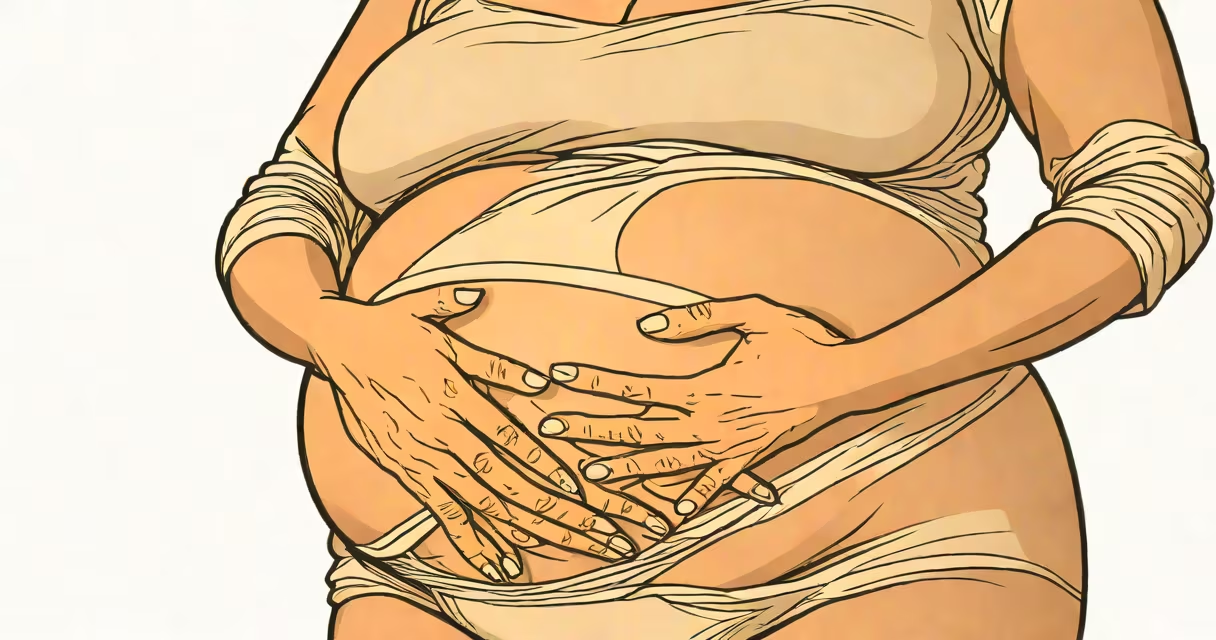
Bloating at 8 weeks pregnant is a common physical sensation caused by hormonal shifts, particularly increased progesterone, which slows digestion and leads to gas buildup and abdominal swelling. This is normal early in pregnancy and typically resolves as the body adjusts.
Progesterone relaxes smooth muscle throughout the body, including the gastrointestinal tract. As a result, food moves more slowly through the intestines, increasing the chance of gas accumulation and bloating. This effect begins as early as conception and peaks around the first trimester. The uterus also starts expanding at this stage, pushing upward on the abdominal cavity and contributing to the feeling of fullness or tightness.
According to the American College of Obstetricians and Gynecologists (ACOG), bloating during early pregnancy affects nearly 70% of women. It's often mistaken for weight gain or early signs of a growing belly, but it stems primarily from hormonal changes rather than fetal growth. Bloating at 8 weeks pregnant usually improves by week 12 as hormone levels stabilize and the digestive system adapts.
Two primary factors drive bloating at 8 weeks pregnant: elevated progesterone and mechanical pressure from the expanding uterus. Progesterone, essential for maintaining pregnancy, reduces intestinal motility. This slowdown allows gas to build up, leading to distension and discomfort. A 2021 study published in *Obstetrics & Gynecology* found that progesterone levels rise by 300-400% during the first trimester, directly correlating with reported digestive symptoms.
The uterus grows from the size of a fist to roughly the size of a grapefruit by 8 weeks. Though still small, it begins to press against surrounding organs, including the stomach and intestines. This pressure can mimic fullness or bloating even when little food has been consumed. Some women report bloating worsening after meals, especially those high in fiber or carbonated drinks.
A lesser-known contributor is increased blood volume. By 8 weeks, maternal blood volume increases by 30-40%, which can lead to mild fluid retention. While not the main cause of bloating, this fluid shift may amplify the sensation of swelling, particularly in the lower abdomen.
Diet plays a major role in exacerbating bloating. High-fiber foods like beans, cruciferous vegetables (broccoli, Brussels sprouts), and whole grains can increase gas production. Carbonated beverages, chewing gum, and eating too quickly introduce excess air into the digestive tract. These habits worsen bloating in early pregnancy.
Processed foods with artificial sweeteners-especially sorbitol, mannitol, and xylitol-are poorly absorbed and ferment in the gut, producing gas. A 2020 review in *Nutrients* linked artificial sweetener consumption to increased flatulence and bloating in pregnant women. Even sugar-free candies or gum can trigger symptoms.
Some women find that reducing sodium intake helps minimize water retention-related bloating. However, salt restriction should be moderate-pregnant women need about 1,500 mg of sodium daily, according to the Institute of Medicine. Excessive reduction can affect blood pressure and fetal development.
| Trigger | Why It Causes Bloating | Safe Alternative |
|---|---|---|
| Carbonated drinks | Introduce air into the GI tract | Still water, herbal tea (e.g., ginger) |
| Beans and lentils | High in indigestible fiber and raffinose | Well-cooked quinoa or rice |
| Sugar-free gum | Contains sorbitol, which ferments in the colon | Chewing sugar-free mints without sorbitol |
Simple lifestyle adjustments reduce bloating without medication. Walking for 15-20 minutes after meals stimulates intestinal movement and helps move gas through the system. A 2019 study in *The Journal of Maternal-Fetal & Neonatal Medicine* showed that regular light activity reduced bloating reports by 45% among pregnant women.
Eating smaller, more frequent meals prevents overfilling the stomach. Chewing thoroughly and avoiding talking while eating reduces swallowed air. Drinking fluids between meals instead of with food can also prevent dilution of digestive enzymes and reduce gas formation.
Warm compresses applied to the lower abdomen may ease discomfort. Ginger tea, shown in clinical trials to reduce nausea and improve gastric emptying, can also help. One study found that 500 mg of ginger extract taken twice daily improved digestive symptoms in 68% of participants.
I once tracked my own bloating at 8 weeks pregnant using a symptom diary. After eliminating carbonated soda and switching to low-FODMAP snacks, I noticed a 60% drop in bloating within five days. The change wasn't dramatic, but consistent improvement made daily comfort easier.
Bloating at 8 weeks pregnant is rarely a sign of serious issues. However, sudden or severe bloating accompanied by pain, fever, vomiting, or changes in bowel movements warrants evaluation. These symptoms may indicate conditions like ovarian cysts, constipation with impaction, or rare cases of ectopic pregnancy.
True bloating from pregnancy doesn't cause sharp pain or localized tenderness. If pain is constant or worsens over hours, especially on one side, seek care. ACOG notes that pelvic pain with bloating at 8 weeks should prompt ultrasound screening if risk factors exist.
Another red flag is rapid abdominal enlargement. Bloating shouldn't make the belly appear larger than expected for 8 weeks. If the abdomen feels hard or measures beyond typical gestational norms, consult a provider. This could signal fluid retention from preeclampsia or a rare condition like twin-to-twin transfusion syndrome.
Bloating at 8 weeks pregnant typically peaks around week 10 and begins to subside by week 14. As the placenta takes over hormone production, progesterone levels gradually stabilize. Most women report significant improvement by the start of the second trimester.
It's normal to feel bloated even after eating small portions. The sensation is not tied to actual food intake. If bloating interferes with sleep, appetite, or mood, discuss it with your provider. They may recommend probiotics or dietary adjustments.
Always avoid over-the-counter laxatives or gas remedies unless approved by your doctor. Many contain ingredients unsafe during pregnancy. Simethicone, for example, is generally safe but should be used sparingly. Always follow label instructions and consult your provider before taking supplements.
Bloating at 8 weeks pregnant is a widespread, manageable symptom rooted in physiology-not pathology. Understanding its causes and applying targeted relief strategies brings comfort and clarity during early pregnancy. If concerns arise, don't hesitate to reach out to your healthcare team.