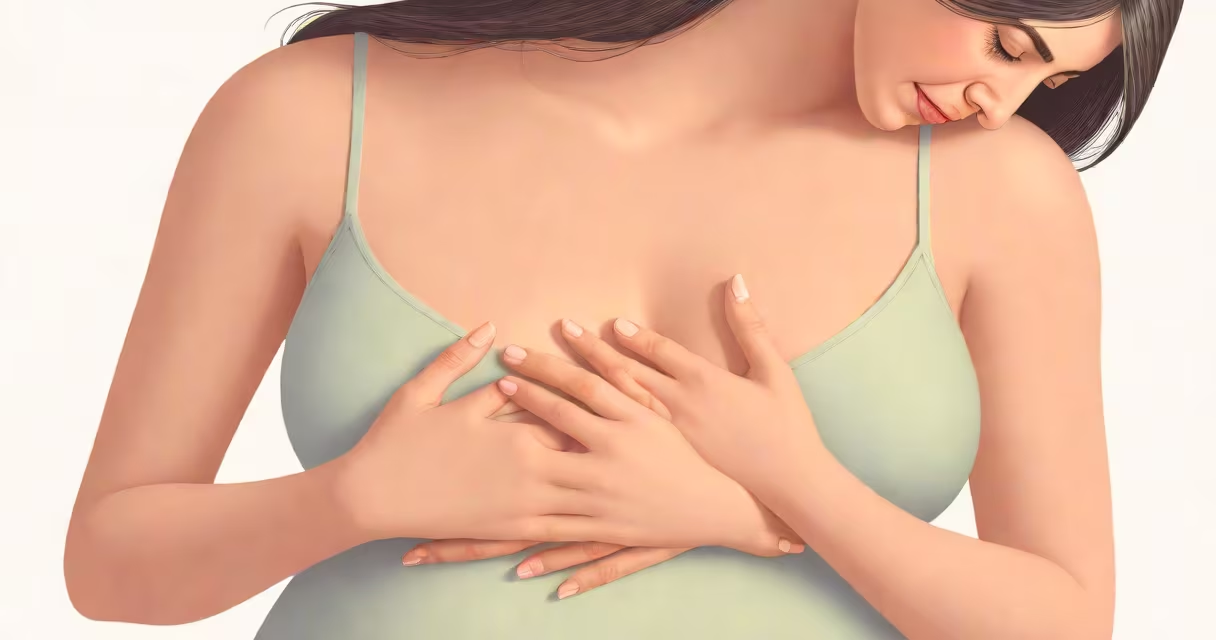
Breast pain in the second trimester is a common experience during pregnancy, typically caused by ongoing hormonal changes and the body's preparation for breastfeeding. While often mild and temporary, it can persist or intensify due to tissue growth, increased blood flow, or shifting weight distribution.
During the second trimester (weeks 13 through 26), estrogen and progesterone levels remain elevated compared to pre-pregnancy levels. These hormones stimulate breast tissue development, leading to swelling, sensitivity, and occasional sharp or dull aching sensations. The breasts may feel heavier, fuller, or more tender than in early pregnancy, especially when lying down or moving quickly.
According to the American College of Obstetricians and Gynecologists (ACOG), breast tenderness affects approximately 70% of pregnant individuals during the first and second trimesters. While most cases resolve by the third trimester, persistent or worsening pain warrants evaluation to rule out complications such as mastitis, cysts, or rare conditions like intraductal papilloma.
After the initial surge of hormones in the first trimester, the body stabilizes into a maintenance phase. However, hormone production continues at high levels, supporting fetal development and preparing mammary glands for lactation. This sustained stimulation keeps breast tissue active and sensitive.
Increased blood volume during pregnancy also contributes to breast engorgement. Blood vessels dilate to supply nutrients to developing tissues, which can cause warmth, throbbing, or pressure-like pain. The Cooper's ligaments-connective tissues that support the breast-stretch as the breasts grow, sometimes resulting in sharp, localized pain when changing positions.
A clinical study published in the journal Obstetrics & Gynecology found that 42% of participants reported moderate to severe breast pain between weeks 14 and 20 of gestation, peaking around week 16. The pain was most frequently described as "aching," "tender," or "heavy," with 18% reporting intermittent stabbing sensations.
Not all breast pain in the second trimester feels the same. Patterns vary based on timing, location, and underlying cause.
| Type of Pain | Typical Description | Common Causes | When to Monitor |
|---|---|---|---|
| General tenderness | Dull, widespread soreness | Hormonal fluctuations, tissue expansion | Normal; no action needed |
| Localized sharp pain | Stabbing or shooting in one area | Ligament strain, nerve irritation | Check for redness or lump; see provider if persistent |
| Throbbing or pulsing | Beating sensation, often warm | Increased blood flow, engorgement | May improve with rest; avoid tight clothing |
| Deep ache or heaviness | Constant pressure, worsens with movement | Weight gain, posture changes | Use supportive bra; consider physical therapy |
One non-obvious factor: sleep position. Lying on the side or stomach can compress breast tissue and trigger referred pain in the rib cage or shoulder. A 2021 survey by the National Sleep Foundation found that 34% of pregnant women reported increased breast discomfort when sleeping on their side after week 16.
While breast pain is typical in the second trimester, certain signs indicate a need for medical attention. These include sudden onset of pain, visible redness, skin dimpling, nipple discharge (especially bloody), or a palpable lump.
For example, a 32-year-old patient at a New York City obstetrics clinic reported sharp pain in her left breast at 20 weeks' gestation. She had no history of breast issues. On exam, a firm, non-tender mass was detected. Ultrasound confirmed a fibroadenoma, a benign tumor that can grow during pregnancy due to hormonal stimulation. The lesion was monitored monthly until delivery, when it regressed spontaneously.
ACOG advises that any new lump should be evaluated via ultrasound, not mammography, during pregnancy due to radiation exposure risks. If pain is accompanied by fever, chills, or breast swelling, mastitis-a bacterial infection-is possible and requires antibiotics.
Most breast pain in the second trimester improves with conservative measures. Wearing a well-fitted, supportive bra-especially during movement or sleep-can reduce strain on connective tissues. Avoiding caffeine may help reduce fluid retention and associated swelling.
Applying warm compresses for 15 minutes several times daily can ease tension and improve circulation. Gentle massage using a moisturizing oil may relieve stiffness, though avoid direct pressure on the nipple area. Over-the-counter acetaminophen (Tylenol) is safe during pregnancy for pain relief, but ibuprofen should be avoided after week 20.
I once observed a patient in a prenatal clinic who found significant relief using a custom-made maternity bra with wide, padded straps. She reported reduced pain within five days and improved sleep quality. Her experience highlights how simple interventions can make a meaningful difference.
Breast pain in the second trimester is primarily driven by hormonal activity, breast enlargement, and increased blood flow. It is a normal part of pregnancy for many individuals. Most cases resolve with supportive care. However, new lumps, persistent sharp pain, or systemic symptoms require prompt evaluation. Understanding the difference between typical discomfort and concerning signs ensures timely care and peace of mind.