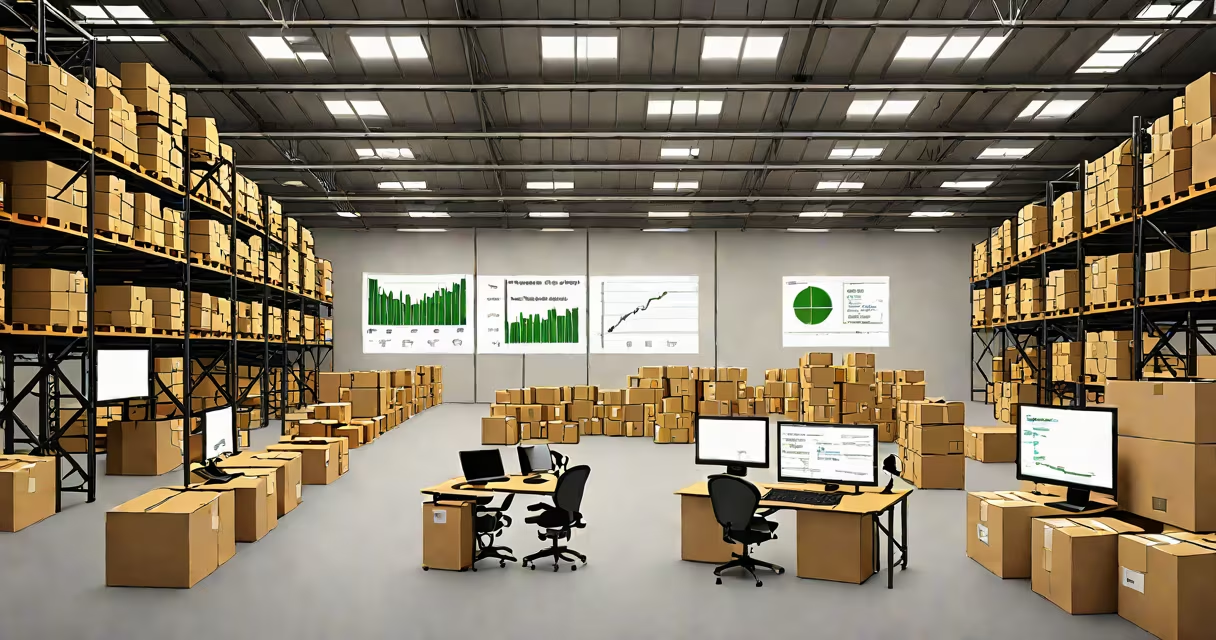
Business to business (B2B) e-commerce examples are digital platforms where companies buy and sell goods or services directly to other businesses, bypassing retail channels. These systems handle bulk orders, complex pricing, and long-term contracts through secure online interfaces.
B2B e-commerce operates on the principle that organizations exchange products or services digitally rather than through traditional sales reps or paper-based procurement. This model supports large-scale transactions, often involving thousands of units, custom pricing, and integrated supply chain workflows.
According to McKinsey & Company, global B2B e-commerce spending reached $6.6 trillion in 2023, with 60% of buyers preferring digital channels for routine purchases. The shift is driven by efficiency, data transparency, and automation in procurement processes.
Transactions begin when a business logs into a vendor's platform, selects products based on catalog filters, and applies negotiated pricing. Orders are processed through automated workflows that validate inventory, calculate taxes, and generate purchase orders.
Integration with enterprise resource planning (ERP) systems like SAP or Oracle ensures real-time updates to inventory and financial records. For example, a manufacturer ordering 5,000 steel brackets from a supplier may have the order auto-sync with their production schedule and accounting software.
Security protocols such as OAuth 2.0 and role-based access control prevent unauthorized access. A distributor's purchasing manager cannot view a competitor's pricing unless granted specific permissions.
Platforms vary by industry, transaction volume, and complexity. The most common types include marketplaces, direct vendor portals, and embedded solutions within larger software ecosystems.
| Type | Use Case | Example | Volume Scale |
|---|---|---|---|
| Marketplace | Multi-vendor sourcing | Alibaba.com | High |
| Direct Portal | Contract-based procurement | Grainger.com | Medium-High |
| Embedded Solution | Integrated buying in SaaS tools | Salesforce Commerce Cloud | Variable |
Marketplaces like Alibaba host millions of suppliers and allow buyers to compare prices, certifications, and delivery timelines across regions. A U.S.-based electronics firm might source circuit boards from a factory in Shenzhen, comparing lead times and MOQs (minimum order quantities) side-by-side.
Direct portals focus on long-term relationships. Grainger's platform offers customized catalogs for enterprise clients, with pre-approved pricing tiers and automatic reordering based on usage patterns. A hospital system might set up recurring orders for surgical gloves, with delivery scheduled monthly.
Embedded solutions integrate purchasing into existing business software. Salesforce Commerce Cloud allows sales teams to quote products directly from CRM data, with pricing validated against contract agreements. A construction company using Salesforce might place a bid with a supplier while viewing historical spend data.
Many assume B2B e-commerce is limited to industrial supplies or wholesale. In reality, it includes software licensing, consulting services, and cloud infrastructure. A marketing agency might purchase AI-powered analytics tools via a B2B portal, not a retail site.
Another misconception is that B2B transactions are slower due to approval chains. While some processes involve multiple stakeholders, digital platforms reduce decision time. A study by Forrester Research found that companies using B2B e-commerce reduced average order cycle times by 34% compared to manual methods.
Some confuse B2B with B2C because both use websites. But B2B sites prioritize account management, tiered pricing, and bulk-order features. A B2B site won't display "Add to Cart" buttons with default prices-it shows negotiated rates based on buyer history and contract status.
Consider a mid-sized HVAC contractor in Texas needing 200 thermostats for a commercial building project. They visit a B2B e-commerce platform like Grainger, log in under their company account, and apply a pre-negotiated discount rate. The system checks inventory, confirms delivery in five days, and sends the order to their ERP system.
Another example: a European fashion brand uses Alibaba to source sustainable cotton fabric from a supplier in India. They upload design specifications, request samples, and negotiate terms-all through the platform's messaging and document-sharing tools. Once approved, they place a $120,000 order with a 60-day payment term.
A third case involves a tech startup using Salesforce Commerce Cloud to procure cloud storage licenses. The team accesses a dedicated portal linked to their Salesforce account, sees available packages, and upgrades their plan during a quarterly review. The change triggers automatic billing and service activation.
These scenarios reflect how B2B e-commerce streamlines operations across industries-from manufacturing to IT services.
Businesses adopt B2B e-commerce to reduce procurement costs, improve supply chain visibility, and scale operations globally. A report from Statista notes that 78% of B2B buyers expect digital purchasing experiences comparable to consumer platforms.
For suppliers, digital channels increase reach and reduce customer acquisition costs. A small tool manufacturer can now compete with global brands by listing products on Amazon Business or eBay for Business, reaching buyers who previously relied on regional distributors.
Firsthand, I've seen a packaging company cut its order processing time from seven days to under 90 minutes after migrating to a B2B platform. The system auto-filled PO numbers, validated addresses, and sent confirmations to finance teams-all without human intervention.
The growth of the B2B e-commerce market is accelerating. According to a 2023 report by Grand View Research, the global B2B e-commerce market is projected to grow at a compound annual rate of 12.4% from 2023 to 2030, reaching $20.8 trillion in value.
Understanding business to business e-commerce examples helps organizations evaluate digital transformation opportunities. a buyer aiming to automate procurement, real-world implementations show clear benefits in speed, accuracy, and scalability.