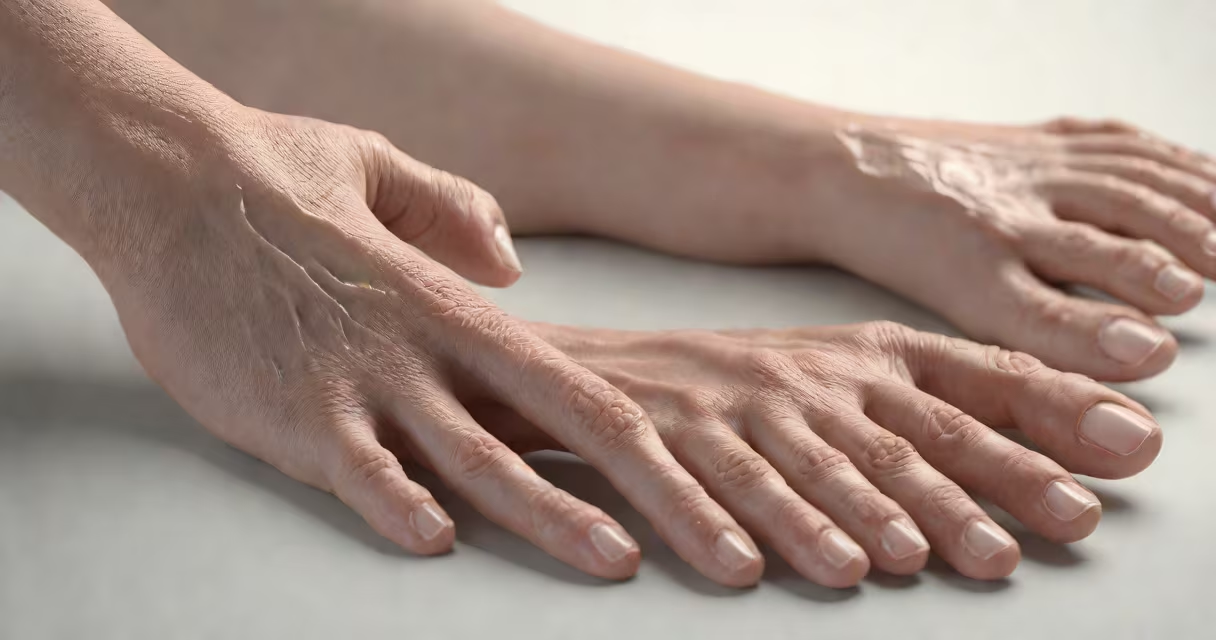
Poor circulation in hands and feet occurs when blood flow to the extremities is reduced, leading to coldness, numbness, tingling, or discoloration. This condition can stem from vascular constriction, nerve damage, or systemic diseases affecting blood vessel function.
Reduced blood flow means less oxygen and nutrients reach the fingers and toes. Over time, this can impair sensation and tissue health. Common triggers include prolonged sitting, exposure to cold, or chronic medical conditions. The body prioritizes core organs during stress, which may divert blood away from limbs, especially in vulnerable individuals.
When circulation drops, tissues may suffer. Cold extremities are often the first sign. Persistent symptoms require evaluation to rule out serious issues like peripheral artery disease (PAD), autoimmune disorders, or diabetes-related neuropathy. Early intervention prevents long-term damage.
Blood moves through arteries and veins in a closed loop. Arteries carry oxygen-rich blood from the heart to the body's outer parts. Veins return deoxygenated blood. In the hands and feet, small arterioles regulate blood flow based on temperature, activity, and neural signals.
When these vessels narrow due to spasm, plaque buildup, or nerve dysfunction, blood delivery slows. For example, in Raynaud's phenomenon, cold or stress triggers extreme vasoconstriction, turning fingers and toes white, then blue, then red as blood returns. Episodes last minutes to hours and recur frequently.
Chronic conditions worsen the problem. Diabetes damages small blood vessels and nerves over time, reducing sensitivity and blood flow. A 2021 study in Diabetes Care found that 60% of people with long-standing type 2 diabetes show signs of peripheral neuropathy, including cold, numb hands and feet.
Several distinct conditions cause poor circulation in the extremities. Understanding the root issue guides treatment.
| Condition | Key Mechanism | Typical Symptoms | Prevalence |
|---|---|---|---|
| Raynaud's phenomenon | Spasms in small arteries | Color changes (white-blue-red), pain, numbness | Affects ~5% of U.S. adults; higher in women |
| Peripheral artery disease (PAD) | Atherosclerosis narrowing leg and foot arteries | Cold feet, cramping during walking, slow-healing sores | ~12 million Americans aged 40+ |
| Diabetes-related neuropathy | Nerve and vessel damage from high blood sugar | Numbness, burning, coldness, loss of sensation | Over 50% of people with type 2 diabetes develop it |
| Autoimmune disorders (e.g., lupus, scleroderma) | Immune system attacks blood vessels | Joint pain, skin tightening, persistent coldness | Scleroderma affects ~100,000 in U.S.; 80% have Raynaud's |
Raynaud's is often idiopathic-no known cause-but can be secondary to connective tissue diseases. Primary Raynaud's typically begins between ages 15 and 30 and improves with warmth and avoidance of triggers. Secondary Raynaud's appears later in life and is linked to autoimmune conditions.
Peripheral artery disease results from fatty deposits (plaque) building in arteries. It commonly affects smokers, people with high cholesterol, or those with hypertension. A 2020 report from the American Heart Association noted that PAD increases the risk of heart attack and stroke by 30%.
Diabetic neuropathy develops gradually. High glucose levels impair nerve signaling and weaken capillaries. Without regular foot checks, minor injuries can progress to ulcers or infections. The CDC reports that 15% of diabetics develop foot ulcers annually.
Many assume cold hands and feet are normal in winter or due to "bad circulation" from being inactive. But consistent coldness, especially with color changes or numbness, signals a physiological issue. Coldness alone doesn't equal poor circulation-some people naturally have cooler extremities.
Another misconception is that poor circulation only affects older adults. While aging contributes, younger people can develop Raynaud's or early PAD due to genetics, smoking, or metabolic syndrome. A 2019 study in Arteriosclerosis, Thrombosis, and Vascular Biology found that young adults with obesity and insulin resistance had measurable arterial stiffness, a precursor to PAD.
True red flags include: sores that don't heal, skin that turns shiny or thin, sudden weakness in a hand or foot, or pain at rest. These suggest advanced vascular disease. Ignoring them risks amputation. The National Institutes of Health states that 1 in 5 lower-limb amputations in diabetics result from untreated vascular complications.
In 2022, a 45-year-old woman reported cold, numb fingers for six months. She attributed it to her office's air conditioning. Her primary care doctor dismissed it as "lifestyle-related." After a month of worsening symptoms and a finger tip turning black, she was referred to a vascular specialist.
An ultrasound revealed severe narrowing in her radial artery. Further testing showed undiagnosed type 2 diabetes with HbA1c of 8.7%. She had developed diabetic neuropathy and early PAD. Within weeks of insulin therapy and lifestyle changes, her circulation improved. The delay cost her two days of hospitalization and nearly lost a fingertip.
This case illustrates how easily circulatory issues are misattributed. Symptoms like coldness are often ignored until irreversible damage occurs. Early screening for diabetes and vascular health is critical, especially in high-risk groups.
Understanding the cause of poor circulation in hands and feet enables timely action. Whether due to Raynaud's, diabetes, or vascular disease, early diagnosis reduces the risk of permanent damage. Don't wait for symptoms to worsen-seek care when coldness becomes constant or painful.