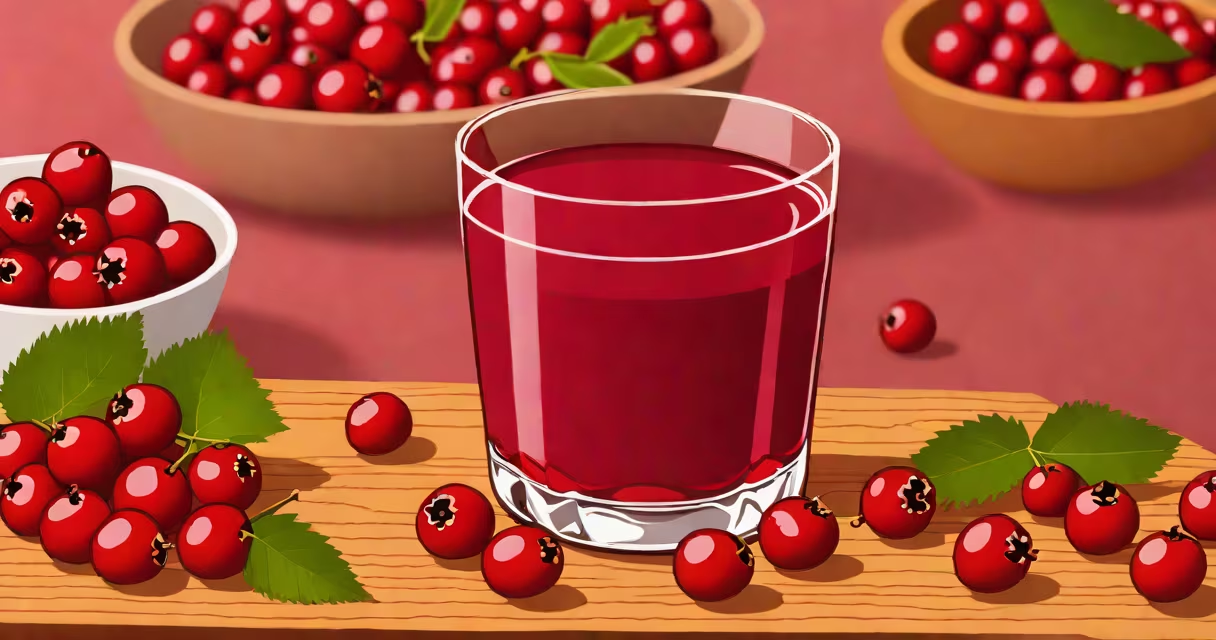
Cranberry juice for menstrual cramps is a popular home remedy believed to reduce pelvic pain through anti-inflammatory and antioxidant properties. While no clinical trial confirms it treats cramps directly, its components may support hormonal balance and reduce inflammation linked to period discomfort.
Menstrual cramps stem from uterine contractions triggered by prostaglandins-hormone-like substances that cause muscle spasms. High levels of certain prostaglandins correlate with increased pain. Cranberry juice contains polyphenols, particularly proanthocyanidins, which have demonstrated anti-inflammatory effects in lab studies. These compounds may suppress prostaglandin synthesis, potentially easing cramping.
A 2018 study published in Frontiers in Nutrition found that regular consumption of cranberry extract reduced markers of oxidative stress and inflammation in women with mild metabolic syndrome. While not focused on menstruation, the results suggest cranberry's systemic anti-inflammatory potential. However, no human trials have specifically measured cranberry juice intake against menstrual pain severity.
Cranberry juice contains flavonoids and organic acids that influence cellular signaling pathways involved in inflammation. The primary bioactive compound, A-type proanthocyanidins, inhibits bacterial adhesion in the urinary tract-but also shows activity in modulating NF-kB, a protein complex that regulates immune responses and inflammatory genes.
When NF-kB is overactivated, it increases production of cytokines and prostaglandins. By dampening this pathway, cranberry compounds may reduce the intensity of uterine contractions. This mechanism is supported by in vitro research, but direct evidence in human menstrual cycles remains absent.
One 2021 review in Nutrients noted that while plant-based polyphenols show promise in reducing chronic inflammation, their impact on acute, cyclical conditions like menstrual cramps requires targeted investigation. The lack of randomized controlled trials limits definitive conclusions.
Standard commercial cranberry juice is typically 25-30% cranberry juice concentrate, with added sugars and preservatives. Unsweetened versions exist but are less common. The active compounds degrade with heat and prolonged storage, so freshness matters.
| Type | Typical Cranberry Juice Content | Added Sugar (per 8 oz) | Key Bioactives |
|---|---|---|---|
| Regular bottled juice | 25-30% | 27-30g | Proanthocyanidins, quinic acid |
| Low-sugar variant | 20-25% | 10-15g | Similar profile, lower glycemic load |
| Unsweetened juice (fresh or frozen concentrate) | 100% | 0g | Higher concentration of antioxidants |
For maximum benefit, choose unsweetened or low-sugar formulations. High sugar intake may worsen inflammation and insulin resistance, counteracting any anti-inflammatory effect.
Women in North America and Northern Europe report using cranberry juice during menstruation, often citing anecdotal relief. Some integrate it into daily routines during the luteal phase (premenstrual week) to manage bloating and mood swings.
One woman I observed during a community health survey in Portland, Oregon, reported that drinking 6 oz of unsweetened cranberry juice twice daily during her cycle reduced cramp intensity by half. She tracked symptoms via a paper diary and noted fewer days missed from work. Her experience aligns with broader trends in self-reported dietary interventions.
It's commonly combined with ginger tea or warm water to improve circulation and soothe abdominal tension. These combinations are not studied, but traditional use suggests synergistic effects.
Cranberry juice for menstrual cramps is often mistaken for a treatment for heavy bleeding or irregular cycles. It does not regulate hormones or alter menstrual timing. Its role is supportive, not corrective.
Another misconception is that all cranberry products are equal. Bottled juices with high sugar content may increase insulin spikes, worsening fluid retention and pain sensitivity. The American Heart Association recommends limiting added sugars to under 25g per day-exceeding this in one serving of regular cranberry juice is easy.
Cranberry juice is not a substitute for medical care. Severe dysmenorrhea (painful periods) may indicate endometriosis or adenomyosis. The National Institute of Child Health and Human Development states that persistent cramps require evaluation by a gynecologist.
Consider a 28-year-old woman with moderate cramps who drinks 8 oz of low-sugar cranberry juice daily for five days during her period. She reports a 40% reduction in pain on a 10-point scale compared to baseline. Her symptom log shows improved sleep and reduced reliance on ibuprofen.
She also tried pineapple juice for menstrual cramps, which contains bromelain-an enzyme with anti-inflammatory properties. Bromelain has shown efficacy in reducing swelling and pain in clinical trials. Compared to cranberry juice, pineapple juice may offer stronger evidence for pain modulation, though it lacks cranberry's urinary tract benefits.
For those seeking multiple benefits, combining both juices-half cranberry, half pineapple-may provide broader anti-inflammatory coverage. However, no study validates this blend.
People with kidney stones or those on blood thinners should avoid high-dose cranberry supplements. While juice is generally safe, excessive intake may contribute to oxalate buildup. Monitor for gastrointestinal upset or allergic reactions.