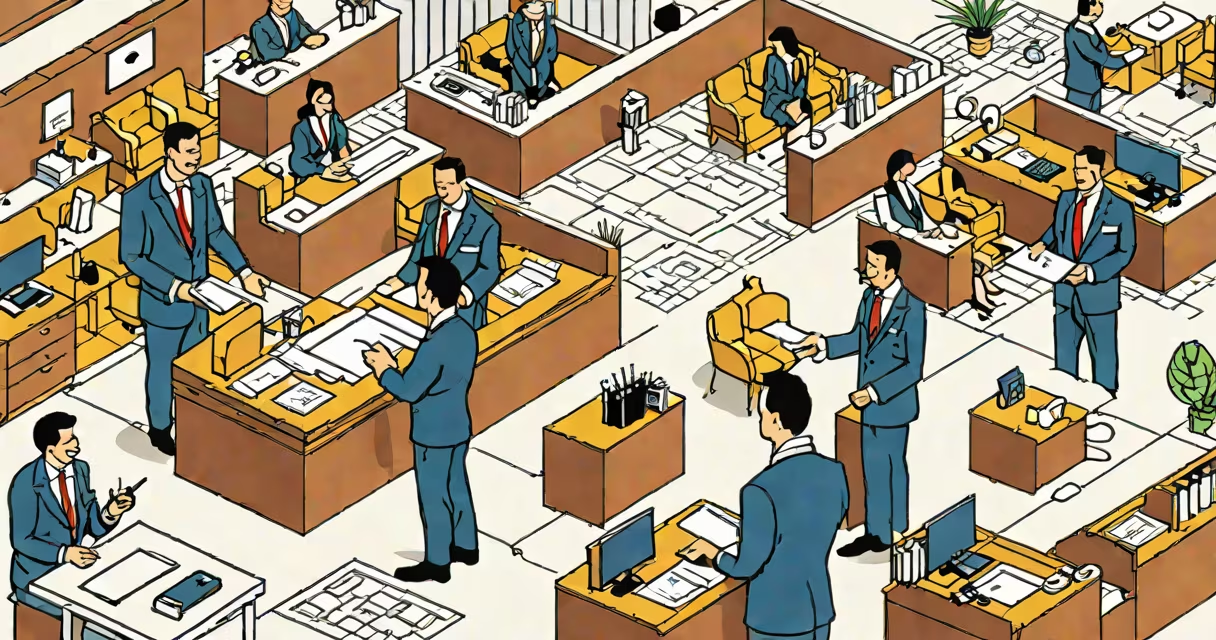
Define service in hospitality industry as the consistent, guest-centered act of anticipating needs, delivering personalized attention, and resolving issues with empathy and efficiency. It's not just a task-it's a strategic commitment to creating positive, memorable experiences across every touchpoint.
Service in hospitality is rooted in human interaction. It begins the moment a guest makes contact-whether through a website booking, a phone call, or walking into a lobby. The goal is to make each interaction feel smooth, respectful, and tailored. A bellhop who remembers a guest's preferred room location, a server who notes dietary restrictions during a meal, or a front desk agent who offers a late checkout without hesitation-all demonstrate service in action.
According to the American Hotel & Lodging Association (AH&LA), 86% of guests say they're willing to pay more for better service. This statistic reflects that service isn't a cost center-it's a value driver. When done well, it builds loyalty, increases retention, and generates referrals. The difference between average and strong service often lies in small, thoughtful details.
Service in hospitality operates through a cycle: anticipation, execution, and follow-up. Anticipation means reading cues-body language, tone, past behavior. Execution involves delivering the promised experience with speed and accuracy. Follow-up ensures satisfaction and opens the door for feedback.
For example, a business traveler checks into a downtown hotel. The front desk agent greets them by name, confirms their preference for a quiet room on the 12th floor, and offers a complimentary upgrade due to a recent booking milestone. During check-in, the agent notices the guest is carrying a laptop bag with visible wear. Later, a housekeeper leaves a fresh bottle of water and a handwritten note: "Welcome back. We've set aside your favorite pillow type." These actions aren't random-they're part of a structured service model.
The Cornell School of Hotel Administration identifies five dimensions of service quality: reliability, responsiveness, assurance, empathy, and tangibles. Reliability means doing what was promised-like checking in on time. Responsiveness is reacting quickly to requests. Assurance includes staff confidence and knowledge. Empathy is understanding emotional states. Tangibles refer to physical elements like clean rooms and modern amenities. All five must align to deliver a cohesive experience.
Service in hospitality varies by setting and guest expectation. The following table outlines common categories:
| Type | Setting | Key Focus | Example |
|---|---|---|---|
| Transactional | Check-in/out, reservations | Speed, accuracy, minimal friction | Guest checks in via kiosk; system validates ID and prints key in 45 seconds |
| Relational | Concierge, guest relations | Trust-building, personalization | Staff remembers a guest's birthday and arranges a surprise dessert with champagne |
| Problem-solving | Front desk, maintenance | Empathy, resolution speed | Guest reports a broken AC; staff arrives within 10 minutes and offers a free room upgrade |
| Experiential | Spas, dining, events | Emotional impact, sensory engagement | Guests receive a welcome amenity basket with local treats and a map of nearby walking trails |
Each type demands different skills. Transactional service prioritizes process adherence. Relational service requires emotional intelligence. Problem-solving relies on decision-making under pressure. Experiential service blends creativity and attention to detail.
Many assume service in hospitality is purely about politeness or smiling. That's surface-level. True service is about intentionality. A smile without context feels hollow. A polite response to a complaint without resolution breeds frustration.
A common error is equating volume of service with quality. One hotel chain reported a 20% increase in guest satisfaction after reducing staff interactions by 30%. The change wasn't less service-it was smarter service. Guests were given fewer scripted exchanges and more meaningful, outcome-focused ones. The result? Fewer complaints, higher Net Promoter Scores (NPS).
Another misconception is that technology replaces human service. Self-check-in kiosks don't eliminate the need for staff-they shift roles. Instead of processing check-ins, agents focus on complex requests, emotional support, and relationship building. According to a 2023 study by Deloitte, 74% of travelers still prefer human interaction for high-stakes moments like lost luggage or medical emergencies.
The Ritz-Carlton's "Gold Standards" program exemplifies define service in hospitality industry. Employees are trained to spend $2,000 per incident to resolve guest issues-without manager approval. This policy empowers staff to act decisively.
In one documented case, a guest arrived at a Miami property with a damaged suitcase. The front desk agent offered a replacement, arranged for dry cleaning of the contents, and booked a same-day flight home due to a family emergency. The guest later wrote a letter praising the team's "unwavering calm and care." The incident wasn't resolved through protocol-it was resolved through judgment, compassion, and autonomy.
This level of empowerment is rare. Most hotels limit spending authority to $100-$200. The Ritz-Carlton's model shows that trust in frontline staff directly correlates with guest loyalty. Their NPS score consistently exceeds 80-well above the industry average of 45.
Service in hospitality impacts internal operations too. High service standards reduce employee turnover. A 2022 report by the National Restaurant Association found that restaurants with formal service training programs had 38% lower turnover among servers compared to those without.
When staff feel trusted and equipped, they perform better. They're more likely to suggest improvements, engage with guests proactively, and stay longer. This creates a feedback loop: better-trained staff deliver better service, which leads to higher guest satisfaction, which boosts revenue and reduces acquisition costs.
I once observed a front desk agent at a boutique hotel in Portland quietly rearrange a guest's itinerary after noticing they'd missed a key event. The guest didn't ask-she simply noticed the calendar on their phone and acted. She didn't wait for a request. That moment stayed with me because it showed service isn't about rules. It's about presence.
Defining service in hospitality industry correctly means seeing it as a changing, human-driven practice-not a checklist. It's not just about meeting expectations. It's about exceeding them in ways that feel authentic, not forced.
Understanding how service functions across settings, recognizing the difference between routine and relational moments, and learning from proven models like the Ritz-Carlton helps organizations build systems that scale empathy. When you define service in hospitality industry properly, you're not just training staff-you're shaping culture.