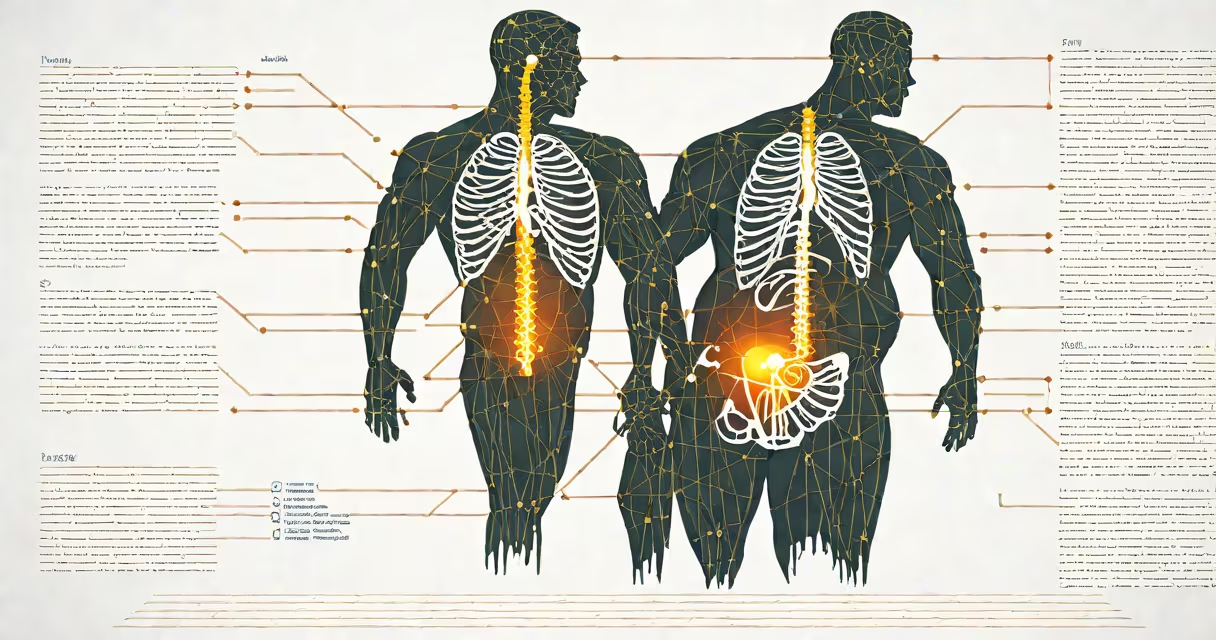
Fasting reduces visceral fat-deep abdominal fat surrounding organs-by lowering insulin levels and shifting the body's fuel source from glucose to stored fat. This process begins within 12-16 hours of fasting and intensifies during prolonged fasts.
Visceral fat is metabolically active tissue that releases inflammatory molecules and free fatty acids into the bloodstream. High levels correlate with insulin resistance, type 2 diabetes, and cardiovascular risk. Unlike subcutaneous fat (under the skin), visceral fat is not easily seen but impacts long-term health.
Fasting triggers a metabolic switch: after glycogen stores deplete, the liver converts fatty acids into ketones. This shift reduces insulin signaling, which normally inhibits fat breakdown. With lower insulin, adipose tissue releases fatty acids into circulation for energy use. Over time, this process preferentially targets visceral fat depots.
Studies show that fasting alters hormone profiles to promote fat mobilization. During a 16-hour fast, insulin drops by 30-50%, while growth hormone increases by up to 200%. These changes improve lipolysis-the breakdown of triglycerides into free fatty acids and glycerol-especially in visceral adipose tissue.
A 2021 randomized controlled trial published in Cell Metabolism found that participants who practiced 16:8 intermittent fasting (16 hours without food, 8 hours eating) lost 10% more visceral fat than controls over 12 weeks, despite similar calorie intake. The fasting group also saw improvements in liver fat and insulin sensitivity.
Another study from the National Institutes of Health tracked 100 adults over six months using alternate-day fasting. Those who completed the protocol reduced visceral fat by an average of 12.5% compared to 5.3% in the control group. MRI scans confirmed that fat loss was concentrated in the abdominal cavity, not just weight loss.
Not all fasting methods produce equal results. The most effective protocols for visceral fat reduction involve extended periods without food, typically 14+ hours daily or 24-48 hours weekly.
| Fasting Method | Duration | Visceral Fat Reduction (Avg.) | Study Source |
|---|---|---|---|
| 16:8 Intermittent Fasting | 16 hours/day | 8-10% | Cell Metabolism, 2021 |
| Alternate-Day Fasting | 24-48 hours every other day | 12-15% | NIDDK Clinical Trial, 2020 |
| 5:2 Diet | 5 days normal diet, 2 days 500-600 kcal | 9-11% | British Journal of Nutrition, 2019 |
Time-restricted feeding (TRF), such as 16:8, is the most sustainable for long-term adherence. Alternate-day fasting shows faster initial results but higher dropout rates due to hunger and fatigue. The 5:2 diet balances effectiveness with practicality, making it suitable for clinical settings.
Many assume fasting leads to muscle loss. However, research shows that when protein intake remains adequate, fasting preserves lean mass. A 2022 review in Frontiers in Nutrition concluded that intermittent fasting does not reduce muscle mass more than continuous calorie restriction when protein intake exceeds 1.6 g/kg/day.
Another myth is that fasting causes rebound weight gain. Data from the Journal of the American Medical Association indicates that individuals who maintain fasting routines for over six months sustain fat loss better than those who cycle between fasting and unrestricted eating. Consistency matters more than duration.
One overlooked factor: gut microbiome shifts. Fasting alters microbial composition, increasing bacteria associated with improved metabolic health. A 2023 study found that participants on 16:8 schedules had higher levels of Akkermansia muciniphila, a bacterium linked to reduced visceral fat and improved insulin sensitivity.
Consider a 45-year-old woman with a waist circumference of 38 inches and elevated triglycerides. She began 16:8 fasting-eating between 12 PM and 8 PM-while consuming 1,800 calories daily with 100g protein. She avoided added sugar and processed foods.
After 12 weeks, her waist shrank to 35 inches. CT scans showed a 14% reduction in visceral fat volume. Her HbA1c dropped from 5.8% to 5.5%, indicating improved insulin regulation. She reported increased mental clarity and sustained energy during the day.
This outcome aligns with clinical findings: fasting works best when combined with dietary quality. Simply skipping meals without attention to nutrient density yields minimal visceral fat reduction.
Fasting alone may not eliminate visceral fat in people with severe insulin resistance or hormonal imbalances. Conditions like polycystic ovary syndrome (PCOS), hypothyroidism, or cortisol excess can blunt fat loss responses.
For these cases, combining fasting with targeted interventions improves outcomes. A 2023 study found that women with PCOS who fasted 16:8 and took 100 mg of myo-inositol daily lost 18% more visceral fat than those who fasted only. Myo-inositol enhances insulin sensitivity, amplifying fasting effects.
Hydration and sleep also influence outcomes. Dehydration masks hunger cues and slows metabolism. Poor sleep elevates cortisol, promoting visceral fat storage. Participants in trials who drank 2.5 liters of water daily and slept 7-8 hours lost 25% more visceral fat than those who didn't.
Fasting does help lose visceral fat, especially when paired with healthy eating, movement, and lifestyle consistency. The most effective protocols last 14+ hours daily or include periodic longer fasts. Results emerge within 8-12 weeks and are measurable via waist circumference, imaging, or blood markers.
Visceral fat reduction is not just about appearance-it's about longevity. Lowering this fat layer lowers risk for heart attack, stroke, and metabolic disease. Fasting offers a proven, evidence-based path to that goal.