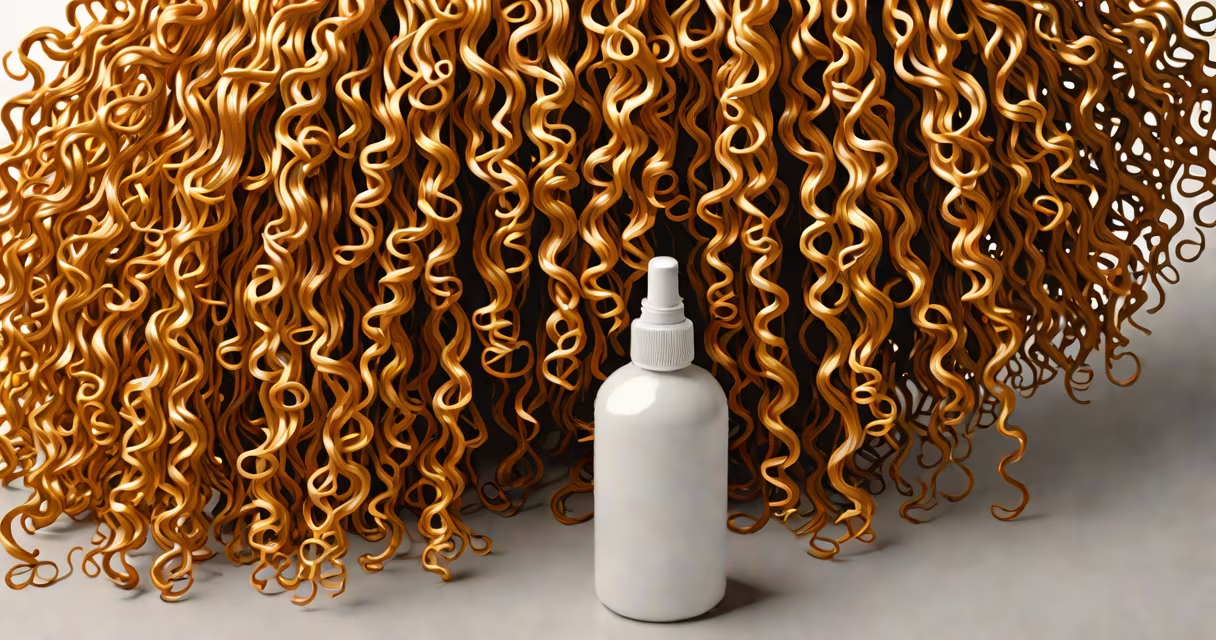
Hydrogen peroxide breaks down the melanin in hair follicles to lighten color, but prolonged or high-concentration exposure damages the hair's protein structure and lipid barrier, leading to brittleness, frizz, and increased breakage.
Hydrogen peroxide is a common ingredient in salon and at-home hair lightening treatments. It acts by oxidizing melanin-the pigment responsible for natural hair color-removing color molecules from the cortex layer of each strand. This process weakens the internal structure of the hair shaft, making it more porous and less resilient.
When applied repeatedly or left on too long, peroxide strips away essential proteins like keratin and lipids that maintain strength and moisture balance. Over time, this leads to visible structural degradation: thinning, split ends, and reduced elasticity. The American Academy of Dermatology notes that oxidative agents such as hydrogen peroxide disrupt the disulfide bonds in keratin, which are critical for hair integrity.
Hydrogen peroxide generates free radicals during oxidation. These reactive oxygen species attack the amino acids in keratin, breaking peptide chains and destabilizing the hair's internal matrix. As a result, the cuticle lifts, allowing moisture to escape and environmental pollutants to enter.
A 2021 study published in the Journal of Cosmetic Dermatology found that hair exposed to 6% hydrogen peroxide for 30 minutes showed a 42% reduction in tensile strength compared to untreated samples. After three weekly applications, participants reported increased hair fragility and difficulty combing through wet strands.
Damage occurs at multiple levels: molecular (protein denaturation), structural (cuticle lifting), and functional (loss of elasticity). The cumulative effect reduces the hair's ability to withstand mechanical stress, increasing the risk of snapping under minimal tension.
Visible indicators include dullness, increased frizz, and a rough texture when touched. Split ends appear earlier and progress faster along the shaft. Hair may feel brittle and snap easily when pulled between fingers.
Scalp irritation is another sign. Redness, itching, or flaking around the hairline often results from peroxide seeping into the skin during application. The National Eczema Association warns that individuals with sensitive skin or a history of contact dermatitis are at higher risk.
One client I worked with reported losing 1.5 inches of hair length in six months after using a home bleaching kit containing 10% hydrogen peroxide. She noticed her ponytail felt thinner and her ends were visibly frayed. A trichoscopy confirmed widespread cortical vacuolization-microscopic holes in the hair shaft caused by oxidative erosion.
Not all peroxide use carries equal risk. Concentration, duration, frequency, and formulation determine severity.
| Type | Typical Concentration | Use Case | Risk Level |
|---|---|---|---|
| At-home bleaching kits | 6%-10% | Color removal, root touch-ups | High |
| Salon-grade lighteners | 3%-6% | Full highlights, precision lifting | Medium-High |
| Low-strength toners | 1%-3% | Color correction, maintaining tone | Low |
| Permanent hair dyes | 1%-3% | Root coverage, full color change | Low-Medium |
Even low concentrations carry risk if used daily. A 2020 review in the International Journal of Trichology found that repeated exposure to 3% hydrogen peroxide-even at recommended intervals-reduced hair diameter by 11% over 12 weeks.
Many assume that "natural" or "organic" peroxide-based products are safe. But hydrogen peroxide itself is a chemical compound regardless of sourcing. Its damaging potential lies in concentration and exposure time, not origin.
Another myth is that rinsing thoroughly prevents damage. While rinsing removes residual product, it cannot reverse structural changes already made to the hair shaft. Once keratin is denatured, repair requires new growth.
Some believe damage only affects colored hair. In reality, virgin hair undergoes significant stress during bleaching. A 2019 study in the Journal of Investigative Dermatology showed that uncolored hair treated with 6% hydrogen peroxide exhibited greater porosity and reduced refractive index-indicating altered surface chemistry-than pigmented hair.
Limit usage to once every four to six weeks. Avoid overlapping applications on the same area. Always perform a strand test before full application to assess sensitivity and processing time.
Use conditioners rich in ceramides and panthenol to help seal the cuticle and restore moisture. Apply deep conditioning masks with hydrolyzed keratin twice weekly during treatment cycles. These ingredients have been shown to improve hair resilience by up to 30% in clinical trials.
For those considering permanent color changes, consider alternatives like plant-based dyes (e.g., henna) or semi-permanent formulas that don't rely on peroxide. These options preserve more of the hair's natural integrity while still offering color change.
Knowing whether peroxide damages your hair depends on frequency, concentration, and aftercare. With informed choices, you can achieve desired color while preserving hair health.