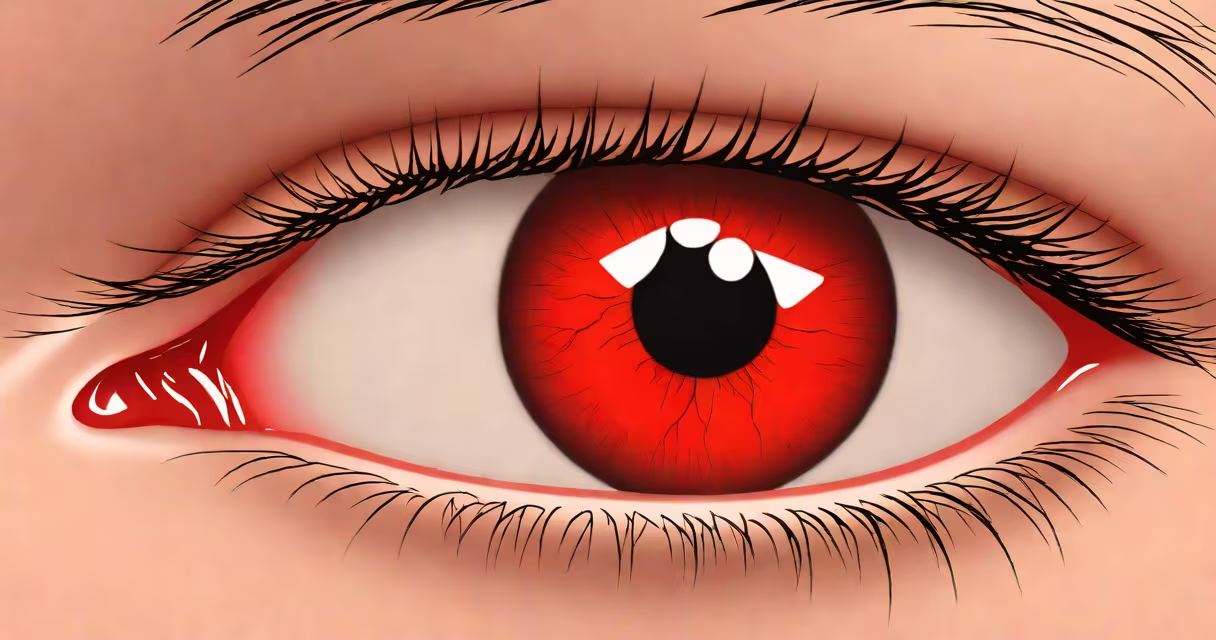
A dog eye sclera red refers to visible redness in the white part of a dog's eye, often indicating inflammation, infection, or trauma. This condition can appear suddenly or develop gradually and may affect one or both eyes.
The sclera is the tough, outer layer of the eyeball. When blood vessels beneath it dilate due to irritation or disease, the entire white portion turns pink or bright red. This is not normal in healthy dogs and requires attention.
Redness in the sclera is not the same as conjunctivitis alone-it can be a sign of deeper ocular issues. The American College of Veterinary Ophthalmologists notes that persistent redness often signals underlying pathology requiring diagnosis and treatment.
When a dog's immune system detects foreign material, allergens, or pathogens, blood vessels in the sclera dilate to deliver immune cells and fluids to the site. This response causes visible redness. The process is similar to human inflammation but occurs in a dog's delicate ocular tissues.
Common triggers include bacterial or viral infections, allergies, dry eye syndrome, corneal ulcers, glaucoma, or trauma from rubbing, scratching, or foreign objects. In some cases, systemic illnesses such as autoimmune disorders or kidney disease can manifest as eye redness.
For example, a 3-year-old Shih Tzu developed sudden redness in the left eye after being exposed to lawn chemicals. Within 24 hours, the dog squinted, had discharge, and avoided light. A vet diagnosed chemical conjunctivitis after ruling out corneal abrasion via fluorescein staining.
Redness in the sclera varies by cause. Some conditions affect only one eye; others involve both. The following table outlines typical causes, their patterns, and associated symptoms.
| Condition | Eye Involvement | Key Symptoms | Diagnostic Clue |
|---|---|---|---|
| Bacterial conjunctivitis | One or both | Redness, thick yellow discharge, swelling | Pus-like secretion, responds to antibiotics |
| Allergic conjunctivitis | Both | Redness, itching, frequent pawing | Seasonal pattern, history of skin allergies |
| Canine distemper (viral) | Both | Redness, nasal discharge, neurological signs | Unvaccinated dog, fever, seizures |
| Glaucoma | One | Redness, cloudiness, pain, dilated pupil | Increased intraocular pressure (>25 mmHg) |
| Corneal ulcer | One | Redness, squinting, tearing, sensitivity to light | Fluorescein stain shows defect |
One non-obvious distinction: redness from allergic reactions often includes intense itching and pawing, while infectious causes typically lack itchiness. This difference helps narrow diagnostic options early.
Dog eye sclera red appears most frequently in breeds with prominent eyes, such as Pugs, Bulldogs, and Chihuahuas. Their shallow eye sockets make them prone to irritation from dust, wind, or debris. A 2021 study in the Journal of Veterinary Ophthalmology found that brachycephalic breeds account for 68% of non-traumatic conjunctivitis cases in primary care clinics.
Environmental exposure plays a major role. Dogs outdoors during pollen season show higher rates of allergic eye redness. Similarly, dogs living near construction sites or industrial zones have increased incidence of chemical-induced redness.
I once observed a Border Collie with bilateral redness after a hike through tall grass. The owner reported the dog rubbed its face against trees. Upon examination, tiny plant fragments were lodged under the eyelid. After removal, redness resolved within 48 hours. This case illustrates how minor trauma can trigger significant scleral redness.
Owners often mistake redness from tear film evaporation (dry eye) as "just a little irritation." But untreated dry eye leads to scarring and vision loss. The American Kennel Club warns that chronic redness in older dogs is a red flag for progressive disease.
Another error: assuming redness means infection. Not all redness is bacterial. Viral causes like distemper can mimic bacterial signs. Misdiagnosis leads to inappropriate antibiotic use, which contributes to resistance.
Some pet parents treat red eyes with over-the-counter eye drops meant for humans. These products often contain vasoconstrictors that shrink blood vessels temporarily but worsen long-term inflammation. The FDA cautions against using human ophthalmic drugs in animals without veterinary guidance.
If redness persists beyond 24 hours, spreads, or is accompanied by discharge, squinting, or behavioral changes, consult a veterinarian. Early intervention prevents complications like corneal damage or permanent vision loss.
Always rule out serious causes. Glaucoma, for instance, can progress rapidly. A single eye with redness and a cloudy appearance demands urgent evaluation-delay increases risk of irreversible blindness.
Understanding dog eye sclera red begins with recognizing it as a symptom, not a diagnosis. Prompt action improves outcomes. When in doubt, seek professional assessment.