en iec 60335 1 is the International Electrotechnical Commission's standard that sets fundamental safety requirements for household and similar electrical appliances, including limits on temperature rise, electrical insulation, mechanical strength, and protection against electric shock. It applies to devices operating between 50 Hz and 1000 V AC or 75 V DC.
This standard forms the foundation for national safety regulations in over 100 countries. It specifies how appliances must be designed and tested to prevent fire, electric shock, and mechanical hazards during normal use and foreseeable misuse. For example, a toaster must not exceed 90°C on its outer surface during operation, and its internal wiring must withstand 1500 V AC for one minute without breakdown.
Manufacturers must demonstrate compliance through testing at accredited laboratories. The standard covers everything from material flammability to the durability of switches and the stability of portable units. A washing machine must remain stable when loaded and not tip over during spin cycles. These requirements ensure consistent safety levels regardless of where the product is sold.
The standard uses a tiered approach: basic requirements apply universally, while additional rules are added based on appliance category. Devices are classified by function (e.g., heating, motor-driven, or electronic), and each category has specific tests. For instance, a vacuum cleaner must pass a 10,000-cycle dust ingress test, while a hair dryer must survive a 10-minute overload at 110% of rated voltage.
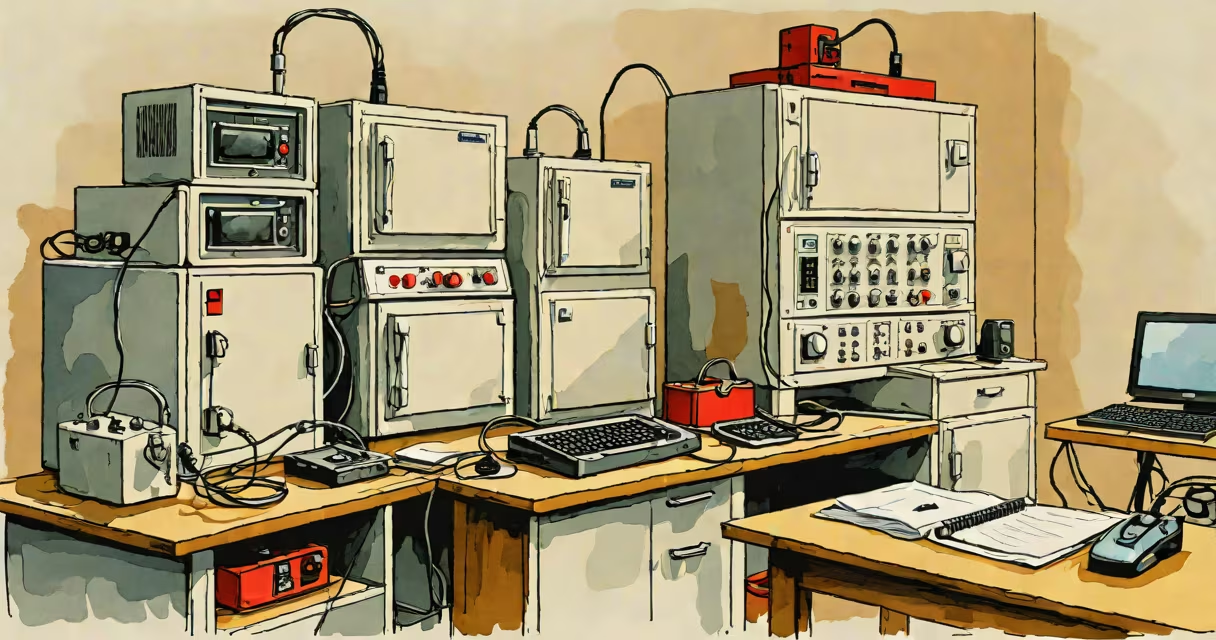
Testing includes both routine checks and stress scenarios. A kettle must boil water continuously for 15 minutes without overheating beyond 115°C on its exterior. A blender must endure a jammed blade condition for 30 seconds without igniting nearby materials. These conditions simulate real-world failures that could lead to injury or fire.
Results are documented in a conformity report. If a device fails any test, the manufacturer must redesign and retest. Certification bodies such as UL, TÜV, and SGS issue compliance marks only after successful validation. Products without these marks cannot legally be sold in markets requiring IEC 60335-1 certification.
en iec 60335 1 divides safety into functional zones: electrical, mechanical, thermal, and environmental. Each zone has defined thresholds. For example, creepage and clearance distances between live parts and accessible surfaces depend on the rated voltage. At 250 V AC, minimum creepage distance is 3 mm, increasing to 6 mm at 600 V AC.
| Test Type | Applies To | Pass Criteria |
|---|---|---|
| Dielectric Strength | All appliances | No breakdown at 1500 V AC for 1 minute |
| Temperature Rise | Heating and motor-driven devices | Surface temp ≤ 90°C under load |
| Mechanical Impact | Portable and handheld tools | No deformation affecting safety after 1 kg drop from 1 m height |
| Overload Protection | Appliances with motors or heating elements | Automatic shutdown within 10 seconds during simulated overload |
One non-obvious requirement is the "double insulation" clause. Appliances labeled as Class II (double-insulated) must have two independent layers of insulation between live parts and accessible surfaces. This eliminates the need for grounding. A cordless drill with a plastic housing and two insulated windings meets this criterion. Without double insulation, the device must include a grounding pin.
Many assume en iec 60335 1 applies only to large appliances like refrigerators or ovens. In reality, it governs all devices intended for domestic use, including small kitchen gadgets, power tools, and personal care devices. A Bluetooth speaker with a rechargeable battery must meet the same electrical and thermal safety criteria as a microwave oven.
Another misconception is that compliance guarantees absolute safety. The standard addresses foreseeable risks-not every possible failure mode. For example, it doesn't cover damage from dropping a device into water unless the design allows for submersion. A waterproof phone rated IP68 still requires separate testing under IEC 60529 for water resistance.
I once observed a batch of USB-powered desk lamps fail during testing because their internal capacitors overheated during prolonged use. The lamps met all voltage and current specs but exceeded the maximum allowable temperature rise on the casing. After replacing the capacitor with a higher-rated model, they passed. This illustrates how subtle design flaws can trigger non-compliance even when components appear correct.
IEC 60335-1 is adopted directly by many national standards. In the EU, it aligns with the Low Voltage Directive (2014/35/EU), which mandates CE marking for compliant products. In the U.S., it supports compliance with UL 60335-1, a derivative standard used by Underwriters Laboratories. Canada follows the same structure via CSA C22.2 No. 60335-1.
According to the International Electrotechnical Commission, over 80% of global electrical appliances sold in regulated markets comply with IEC 60335-1 or its national equivalents. The standard is updated every five years to reflect technological changes. The 2023 edition introduced stricter rules for lithium-ion batteries in portable devices due to rising fire incidents.
When designing a new product, engineers reference the latest version of en iec 60335 1 to avoid costly redesigns later. For example, a company developing a smart coffee maker included a thermal cutoff switch and reinforced insulation in the heating element during initial prototyping. This prevented rework after prototype testing revealed a risk of overheating during a blocked steam vent scenario.
en iec 60335 1 remains a critical benchmark for consumer safety. Its rigorous testing protocols and globally recognized structure protect users from preventable harm. Manufacturers who ignore it face regulatory penalties, product seizures, and reputational damage. Compliance is not optional-it is mandatory for safe, lawful market entry.