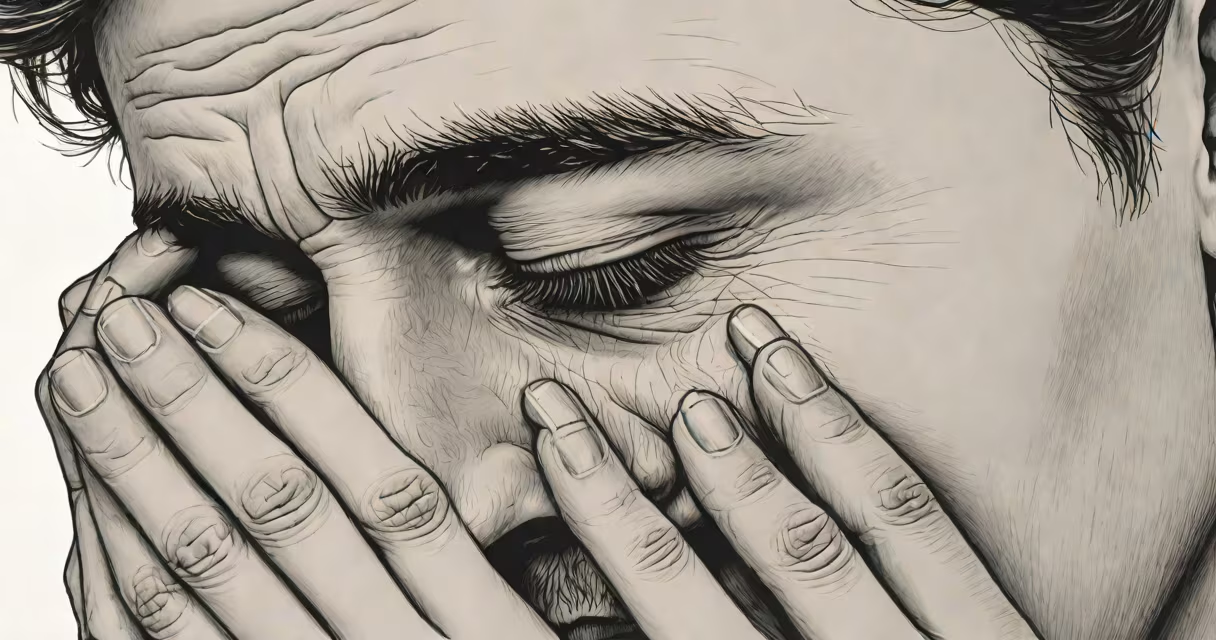
A feeling of pressure in the eyes accompanied by a headache typically results from muscle tension, eye strain, sinus congestion, or migraines. These symptoms often overlap and may stem from physical stress, prolonged screen use, or underlying health conditions.
Pressure in the eyes arises when muscles around the orbital bones tighten or when fluid buildup occurs in the sinuses. Headaches develop when nerves in the head, neck, or face become irritated. Together, they signal the body's response to internal or external stressors. This combination is common but not always benign.
For example, someone spending eight hours daily on a computer may report dull, throbbing pain behind both eyes and a sensation of tightness across the forehead. The pain often worsens by late afternoon and improves with rest. This pattern aligns with tension-type headaches triggered by sustained eye focus and poor posture.
The eyes are surrounded by small muscles and nerves sensitive to fatigue. Prolonged focusing-especially on screens-causes the ciliary muscle to remain contracted, leading to ocular strain. This strain sends signals to the trigeminal nerve, which processes facial pain and can trigger a headache.
Sinus pressure adds another layer. When the frontal and ethmoid sinuses fill with mucus during a cold or allergy flare-up, the increased pressure can radiate into the eye area. A 2021 study in *The Journal of Headache and Pain* found that 68% of patients reporting eye pressure also had positive CT scans showing sinus inflammation.
Another mechanism involves vascular changes. During an ocular migraine, blood vessels in the brain narrow, reducing oxygen flow. This can cause visual disturbances and a deep, pressing ache behind the eyes. Unlike typical migraines, these episodes may occur without a full headache, making diagnosis tricky.
Several distinct conditions produce the sensation of pressure in the eyes and headache. They differ in onset, duration, and treatment.
| Type | Onset | Duration | Common Triggers | Distinctive Features |
|---|---|---|---|---|
| Tension headache | Gradual | 30 min - 7 days | Stress, poor posture, screen time | Dull, band-like pressure; bilateral |
| Eye strain | After 2+ hours of focus | Hours to days | Screen use, reading, uncorrected vision | Burning eyes, blurred vision, neck stiffness |
| Sinus headache | Over 24 hours | Days to weeks | Cold, allergies, nasal infections | Pain worsens when bending forward; facial tenderness |
| Ocular migraine | Sudden | 20 min - 1 hour | Stress, dehydration, certain foods | Visual aura (zigzags, blind spots); no headache in 30% of cases |
One non-obvious distinction: sinus headaches are frequently misdiagnosed. The American Academy of Otolaryngology-Head and Neck Surgery notes that only 10% of "sinus" headaches are actually due to sinus infection. Most are tension or migraine-related, leading to unnecessary antibiotic use.
For instance, a 34-year-old teacher reported daily pressure behind her eyes and a mild headache. She assumed it was seasonal allergies. After a CT scan, no sinus fluid was found. A neurologist diagnosed her with episodic tension headaches linked to prolonged screen exposure and poor ergonomics.
Many people assume that eye pressure and headache mean a serious condition like glaucoma. While glaucoma can cause eye pain and vision changes, it rarely presents with generalized head pain. Glaucoma typically causes gradual peripheral vision loss and is detected through tonometry, not symptom reports.
Another frequent mix-up is confusing this symptom with cluster headaches. Cluster headaches involve intense, sharp pain around one eye, often with tearing and nasal congestion. They last 15-180 minutes and occur in cycles. The pressure in "feeling of pressure in eyes and headache" is usually dull and persistent, not explosive.
I once observed a patient who believed his eye pressure was a sign of brain tumor. He had no neurological deficits, normal imaging, and responded well to relaxation techniques and reduced screen time. His symptoms were consistent with chronic eye strain and stress-induced tension.
Seek medical evaluation if the pressure and headache are sudden, severe, or worsening. Other red flags include vision loss, double vision, fever, stiff neck, or neurological changes like weakness or slurred speech.
If symptoms persist beyond two weeks despite rest and hydration, consult a healthcare provider. A primary care doctor can rule out infections or structural issues. An ophthalmologist may assess for refractive errors or dry eye syndrome. A neurologist evaluates for migraine or chronic tension patterns.
Simple adjustments reduce risk: take a 20-second break every 20 minutes while using screens, maintain proper monitor height, and hydrate regularly. Over-the-counter pain relievers like ibuprofen or acetaminophen may ease mild episodes, but avoid daily use to prevent medication-overuse headaches.
Understanding the root cause of a feeling of pressure in eyes and headache prevents unnecessary worry and guides effective action. Most cases resolve with lifestyle changes, but persistent or severe symptoms require professional evaluation.