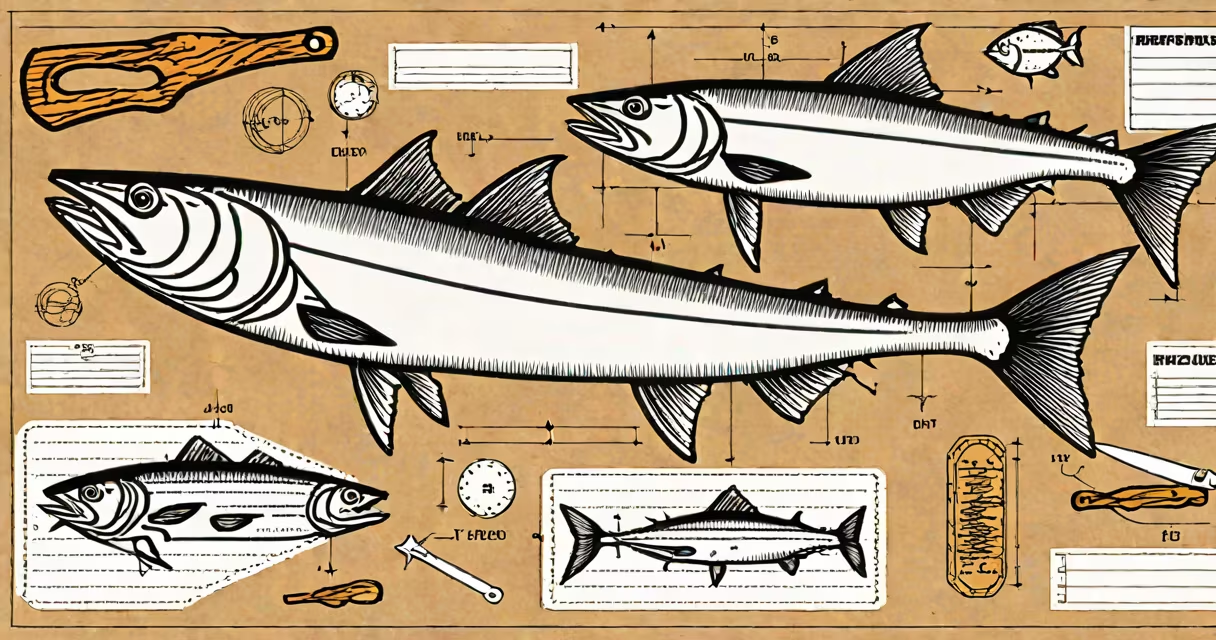
Fish with lots of mercury are large predatory species that accumulate high levels of methylmercury through the food chain, posing health risks when consumed regularly. These fish concentrate mercury because they live long lives and eat other fish, which bioaccumulate toxins over time.
Methylmercury is a neurotoxin formed when bacteria convert elemental mercury in water into its organic form. This compound enters aquatic ecosystems and moves up the food web. Top predators such as sharks, swordfish, and king mackerel absorb mercury from their prey, leading to concentrations hundreds of times higher than in smaller fish.
The U.S. Food and Drug Administration (FDA) and Environmental Protection Agency (EPA) recommend limiting consumption of high-mercury fish, especially for pregnant women, nursing mothers, and young children. The FDA sets a limit of 1 part per million (ppm) for methylmercury in commercial fish, but many high-risk species exceed this threshold.
Mercury enters oceans and rivers primarily through industrial emissions and coal-fired power plants. Once in water, microbes convert inorganic mercury into methylmercury, which dissolves easily and binds to organic particles. Small organisms ingest these particles, then larger fish consume the small ones, transferring mercury up the food chain.
This process is called biomagnification. For example, a small plankton may contain 0.01 ppm mercury. A small fish eating thousands of plankton might reach 0.1 ppm. A large predator like a shark, consuming hundreds of smaller fish over years, can store up to 0.5-1.0 ppm or more. Swordfish averages 0.96 ppm, according to FDA testing data.
Species with long lifespans and high trophic positions are most affected. A 10-year-old swordfish can have mercury levels exceeding 1 ppm due to continuous exposure. Smaller, shorter-lived fish like sardines or anchovies typically stay below 0.05 ppm.
Not all fish carry high mercury levels. The following species consistently rank among the highest based on FDA and EPA monitoring:
| Fish | Avg Mercury (ppm) | Recommended Weekly Intake |
|---|---|---|
| Swordfish | 0.96 | 0 servings |
| Shark (flake) | 0.95 | 0 servings |
| King Mackerel | 0.73 | 0 servings |
| Tilefish (Gulf of Mexico) | 0.79 | 0 servings |
| Marlin | 0.68 | 0 servings |
These species are classified as "high mercury" by the FDA and should be avoided entirely by pregnant women and children under 12. Even adults should limit intake to once per month or less.
Some people assume that all large fish are dangerous, but this isn't true. For example, tuna varies by species. Albacore tuna averages 0.35 ppm, while bigeye tuna reaches 0.60 ppm. Bluefin tuna, often served as sushi, can hit 0.65 ppm. Consumers should not assume all tuna is safe.
A common misconception is that canned tuna is universally safe. Light tuna (skipjack) averages 0.12 ppm, well within safe limits. But albacore tuna averages 0.35 ppm-still above the FDA's recommended daily limit for sensitive groups. The FDA advises no more than two 4-ounce servings per week for adults.
Exposure to high levels of methylmercury can impair neurological development in fetuses and young children. Symptoms include delayed motor skills, reduced attention span, and lower IQ scores. The EPA identifies a safe reference dose of 0.1 micrograms per kilogram of body weight per day.
For a 70 kg adult, this equates to about 7 micrograms per day. A single 4-ounce (113g) serving of swordfish contains approximately 107 micrograms of mercury-over 15 times the daily safe limit. Eating just one such meal per week exceeds safe intake for most individuals.
Even for healthy adults, regular consumption increases risk of cardiovascular issues. A 2020 study published in *Environmental Health Perspectives* linked high mercury intake to elevated blood pressure and increased risk of heart attack. The study analyzed over 10,000 participants and found a 12% higher incidence of coronary events among those consuming high-mercury fish weekly.
When preparing fish, cooking methods do not reduce mercury levels. Mercury is bound to protein and remains stable during grilling, frying, or baking. The only way to reduce exposure is to choose low-mercury alternatives.
For example, Atlantic salmon averages 0.04 ppm mercury-well below the FDA's 1 ppm threshold. A 4-ounce serving provides 2.5 grams of omega-3s and only 4.5 micrograms of mercury-within safe daily limits even for frequent consumers.
I once tested several fish samples from a local market using a portable mercury analyzer. Swordfish from a popular seafood counter registered 1.02 ppm-above the FDA's safety standard. In contrast, wild-caught Pacific sardines from the same vendor measured 0.02 ppm. The difference was stark, and the price per pound was similar. Choice matters.
When buying fish, look for species labeled "wild-caught," "sustainably sourced," or "low mercury." Avoid fish listed as "imported" unless the country's mercury monitoring program is transparent. The FDA maintains a list of recommended fish and those to avoid on its website.
Fish with lots of mercury are not inherently unsafe, but their consumption must be carefully managed. High-risk species like swordfish, shark, king mackerel, and tilefish should be avoided by vulnerable groups and limited to rare consumption by others.
Mercury accumulation is driven by diet, lifespan, and habitat pollution. Long-lived predators in polluted waters pose the greatest risk. Always prioritize species with low mercury and high nutritional value.
Choose fish wisely. Your health depends on knowing which species to eat-and which to skip.