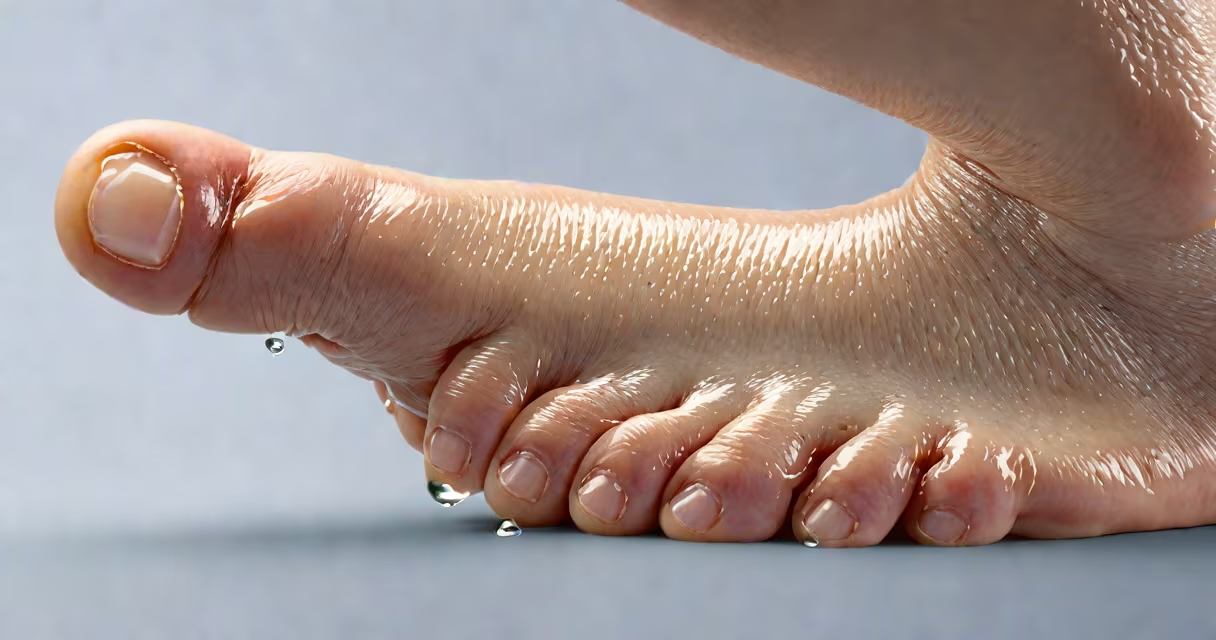
Fluid on top of foot refers to abnormal accumulation of interstitial fluid in the dorsal (top) region of the foot, often due to injury, infection, or systemic conditions. This swelling-known medically as edema-can result from trauma, inflammation, poor circulation, or underlying health issues like heart failure or kidney disease.
Edema occurs when fluid leaks from blood vessels into surrounding tissues. On the foot's dorsum, this manifests as puffiness, tight skin, or visible bulging. Unlike normal tissue, swollen areas may feel warm, tender, or painful under pressure. Early recognition helps prevent complications such as skin breakdown or impaired mobility.
Common triggers include sprains, fractures, gout attacks, or venous insufficiency. Persistent or rapidly worsening swelling demands clinical evaluation. A healthcare provider may use imaging or lab tests to rule out serious causes.
When capillaries leak fluid into connective tissues, the body's natural response increases local pressure. This forces fluid into spaces between cells-especially in loose, flexible areas like the foot's upper surface. The result is localized swelling that may spread if untreated.
Three mechanisms drive this process: increased capillary pressure (e.g., from prolonged standing), decreased plasma oncotic pressure (e.g., low albumin in liver disease), or damaged capillary walls (e.g., from trauma or infection).
For example, a runner who twists their ankle during a race may develop fluid on top of foot within hours. The injury disrupts small blood vessels, allowing serum to seep into soft tissues. Swelling typically peaks within 24-48 hours and resolves slowly with rest and elevation.
Fluid on top of foot can stem from acute injuries, chronic conditions, or infections. The most frequent causes fall into three categories: mechanical trauma, inflammatory disorders, and systemic diseases.
| Type | Common Causes | Typical Features |
|---|---|---|
| Acute Injury | Sprain, fracture, contusion | Onset within minutes to hours; pain with movement; bruising may appear later |
| Inflammatory Conditions | Gout, rheumatoid arthritis, cellulitis | Redness, warmth, fever; gout often affects big toe joint first |
| Systemic Diseases | Heart failure, kidney disease, lymphedema | Bilateral swelling; may start in feet and progress upward; associated with fatigue or shortness of breath |
One non-obvious distinction: swelling from gout typically begins at the metatarsophalangeal joint (base of the big toe) and spreads upward. In contrast, trauma-related fluid often appears symmetrically across the dorsum. Misdiagnosis is common-patients sometimes assume swelling is "just a sprain" when it signals early-stage diabetes or autoimmune disease.
A 2021 study published in *The Journal of Foot and Ankle Surgery* found that 38% of patients presenting with foot swelling initially received incorrect diagnoses. Many were referred to orthopedics without first ruling out metabolic or vascular causes.
Not all foot swelling requires urgent care-but certain signs indicate a need for prompt evaluation. Red flags include sudden onset with severe pain, inability to bear weight, fever, or skin changes like discoloration or blistering.
Swelling that spreads beyond the foot, especially to the lower leg, suggests deep vein thrombosis (DVT) or infection. DVT risk rises with immobility, recent surgery, or oral contraceptive use. A single episode of unexplained swelling on top of foot may signal early-stage heart failure, particularly in adults over 50.
For persistent or recurring cases, imaging such as ultrasound or MRI can identify ligament tears, stress fractures, or soft tissue abscesses. Blood tests may detect elevated uric acid (gout), inflammatory markers (rheumatoid arthritis), or renal function abnormalities.
As a clinician, I've seen multiple patients delay treatment until swelling led to skin ulceration. One man with undiagnosed diabetes developed necrotizing fasciitis after ignoring mild foot swelling for two weeks. Early intervention prevents irreversible damage.
Fluid on top of foot is often confused with other foot pathologies. Distinguishing features help guide diagnosis.
Swelling from cellulitis involves red, hot, painful skin with clear borders. It often follows a minor cut or insect bite. Cellulitis requires antibiotics-delaying treatment risks sepsis. In contrast, edema from injury or systemic illness lacks erythema and may improve with elevation.
Another common mix-up: gout versus pseudogout. Both cause joint swelling and pain, but gout results from monosodium urate crystals, while pseudogout stems from calcium pyrophosphate dihydrate crystals. Synovial fluid analysis confirms the difference. Gout flare-ups frequently begin at the big toe base, not the dorsum.
Not all foot swelling is pathological. Some individuals experience mild, temporary edema after long flights or standing shifts. This resolves within hours with rest and foot elevation. However, if swelling persists past 24 hours or worsens, it's not normal.
Treatment depends on the underlying cause. For acute injuries, the RICE protocol-rest, ice, compression, elevation-is effective. Ice reduces blood flow to the area, limiting fluid leakage. Compression bandages limit expansion of swollen tissues.
Nonsteroidal anti-inflammatory drugs (NSAIDs) like ibuprofen reduce inflammation and pain. A 2020 review in *BMJ Open* showed NSAIDs reduced swelling by 40% in mild to moderate ankle sprains within 72 hours.
For chronic or systemic causes, treatment targets the root issue. Heart failure patients may need diuretics. Kidney disease requires dialysis or medication adjustments. Lymphedema patients benefit from manual lymphatic drainage therapy.
Wear supportive footwear during prolonged standing or walking. Avoid tight shoes that compress the foot's dorsum. Improve feet above heart level for 15-20 minutes several times daily to encourage fluid return to circulation.
Monitor for changes: if swelling increases over days, spreads, or causes numbness, seek care. Early action improves recovery outcomes.
Fluid on top of foot is not a standalone diagnosis-it's a sign. Identifying the root cause enables effective treatment and prevents long-term disability.