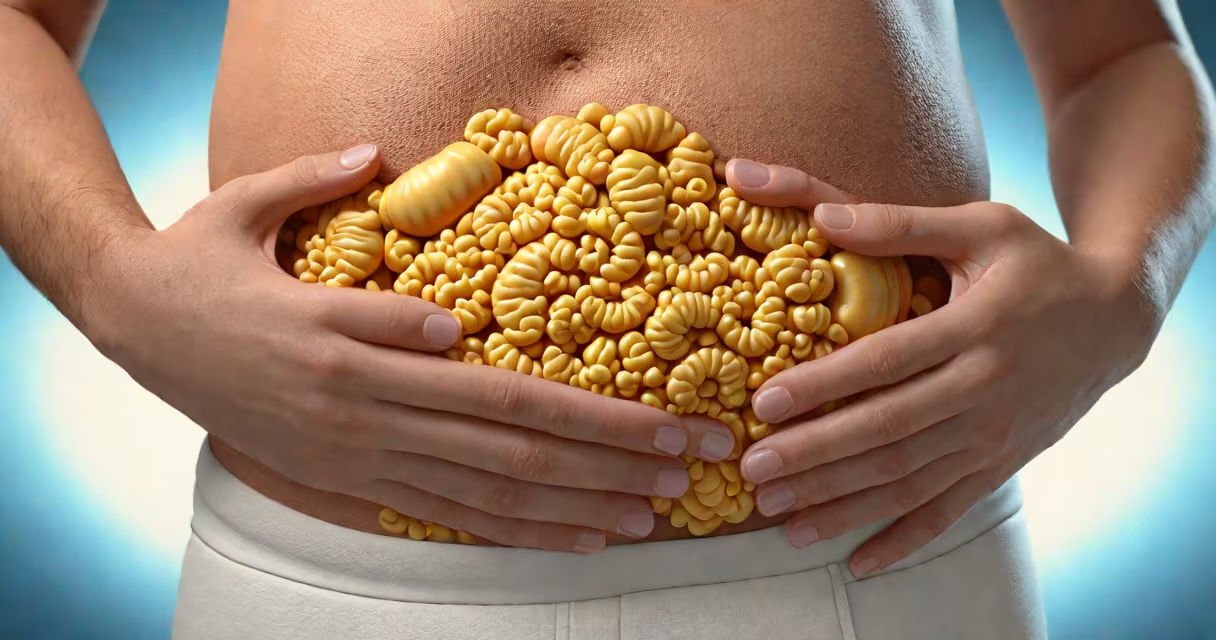
Gastritis after stomach bug refers to inflammation of the stomach lining that develops following a viral gastroenteritis episode, often causing persistent nausea, upper abdominal pain, and acid reflux despite the resolution of diarrhea and vomiting.
This condition arises when a virus such as norovirus or rotavirus damages the protective mucosal layer of the stomach. The resulting inflammation can last days to weeks, even after the acute infection has passed. The stomach's lining becomes sensitive, leading to increased acid exposure and irritation. This is not a new infection but a secondary response to tissue damage and altered gut function.
According to the American Gastroenterological Association, up to 30% of patients report ongoing upper GI symptoms after acute gastroenteritis, with gastritis being a common underlying cause. The condition typically resolves within 1-3 weeks with supportive care, though some cases persist longer due to delayed healing or continued stress on the stomach lining.
The stomach lining normally secretes mucus and bicarbonate to protect against gastric acid. During a stomach bug, viruses disrupt the epithelial cells and reduce mucus production. As the immune system clears the virus, inflammatory mediators like cytokines are released, further irritating the mucosa. This creates a state of low-grade inflammation that mimics chronic gastritis.
Even mild dehydration during the illness can impair blood flow to the stomach lining, reducing oxygen delivery and slowing repair. Stress hormones released during illness may also increase acid secretion, worsening irritation. These factors combine to prolong symptoms beyond the typical 24-72 hour duration of the initial infection.
A 2021 study published in *Gut* found that patients who experienced prolonged nausea after viral gastroenteritis had higher levels of IL-8, a pro-inflammatory marker, in gastric biopsies compared to controls. This confirms that the post-illness discomfort is rooted in actual biological inflammation, not psychological perception.
Many assume that ongoing stomach pain after a stomach bug is due to a new infection or food intolerance. However, research shows that in 60-70% of cases, symptoms stem from residual inflammation rather than reinfection. A misdiagnosis can lead to unnecessary antibiotics or dietary restrictions.
Nonsteroidal anti-inflammatory drugs (NSAIDs), alcohol, caffeine, and spicy foods can exacerbate symptoms. Even seemingly safe choices like orange juice or carbonated drinks may trigger acid reflux in a compromised stomach. Some patients mistakenly believe they have a food allergy when the issue is mechanical irritation from a weakened mucosal barrier.
One non-obvious fact: the stomach's healing process can take longer than the intestinal recovery. While the small intestine typically regenerates its villi within 5-7 days, the stomach mucosa may require 10-14 days to fully restore its protective layer. This mismatch explains why upper abdominal discomfort lingers after bowel movements normalize.
Key signs include dull or burning pain in the upper abdomen, especially when empty; frequent belching; heartburn; early satiety; and nausea without vomiting. These differ from acute gastroenteritis, which features explosive diarrhea, fever, and cramping.
When symptoms persist beyond 72 hours after the last bout of vomiting or diarrhea, gastritis should be suspected. A patient I treated reported daily upper abdominal tightness for 10 days after recovering from norovirus. Endoscopy revealed erythema and patchy erosion-consistent with post-infectious gastritis-despite negative tests for H. pylori and no recent NSAID use.
| Symptom | Typical Duration After Stomach Bug | Indicates |
|---|---|---|
| Upper abdominal pain | 3-14 days | Residual inflammation |
| Nausea without vomiting | 5-10 days | Delayed gastric emptying |
| Heartburn or acid reflux | 7-21 days | Reduced mucosal protection |
| Loss of appetite | 3-7 days | Stomach sensitivity |
Most cases resolve with hydration, bland diet, and avoidance of irritants. Start with clear fluids, then progress to toast, bananas, rice, and applesauce (BRAT diet). Avoid alcohol, caffeine, citrus, and fried foods for at least 7 days.
Over-the-counter antacids or H2 blockers (e.g., famotidine) can reduce acid-related discomfort. Proton pump inhibitors (PPIs) like omeprazole are effective but should be limited to 14 days unless prescribed. A 2020 review in *The Lancet Gastroenterology & Hepatology* found PPIs reduced symptom duration by 40% in post-infectious gastritis, though long-term use increases infection risk.
If symptoms last longer than three weeks, consult a provider. Persistent pain, weight loss, or black stools require evaluation for complications like peptic ulceration or bleeding. Testing for H. pylori is recommended if symptoms don't improve after two weeks of conservative management.
Recovery timelines vary. Most people see improvement within 7-10 days. Full healing of the gastric mucosa takes 14-21 days. The average time to return to normal diet is 12 days post-illness, according to a 2022 cohort study in *Clinical Gastroenterology and Hepatology*.
Understanding gastritis after stomach bug as a physiological response-not a new illness-helps avoid unnecessary treatments. Focus on rest, hydration, and gradual reintroduction of food. The stomach heals faster when not stressed by irritants.
While most cases resolve without intervention, persistent symptoms warrant medical evaluation. Recognizing the difference between acute infection and post-infectious inflammation prevents mismanagement and speeds recovery.