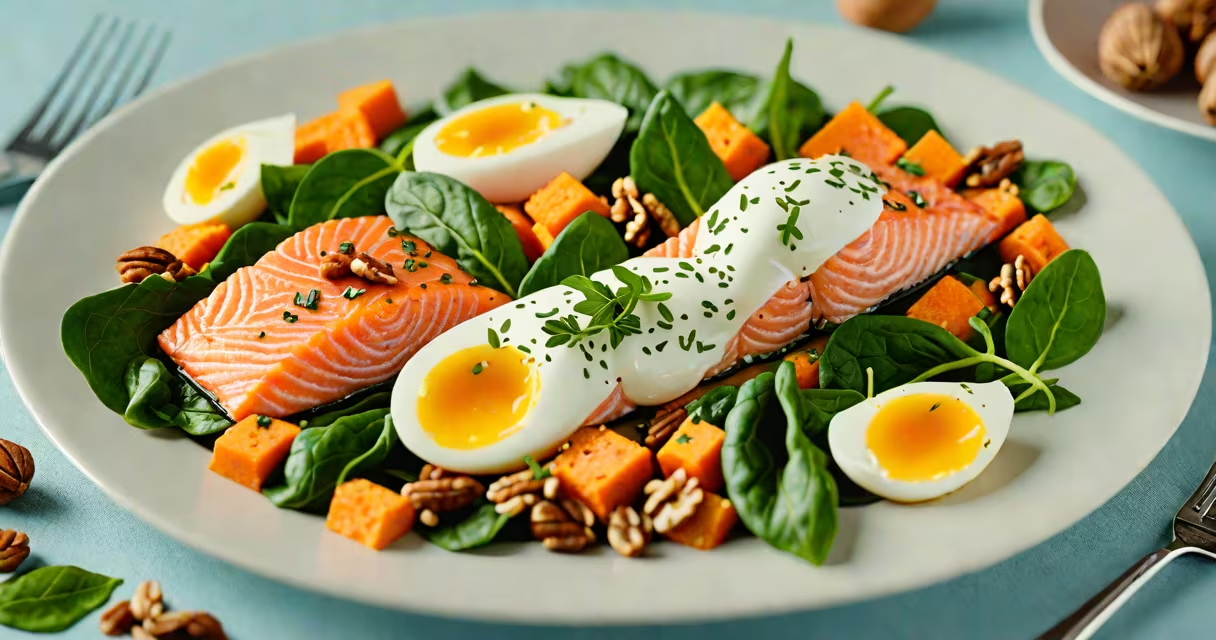
Good food for hair regrowth refers to nutrient-dense whole foods that supply essential vitamins, minerals, and fatty acids proven to support follicle activity, strengthen hair shafts, and reduce thinning. Diets lacking these elements correlate with increased hair shedding and slower regrowth cycles.
Healthy hair begins beneath the surface. Hair follicles require consistent nutrient delivery through blood circulation. A diet rich in protein, iron, zinc, biotin, vitamin D, and omega-3 fatty acids fuels keratin production and regulates the hair growth cycle. Deficiencies in any of these can stall the anagen (growth) phase and trigger telogen effluvium-temporary hair loss due to stress or poor nutrition.
Research from the National Institutes of Health confirms that low serum levels of ferritin (iron storage) are linked to female pattern hair loss. Similarly, a 2021 study in the journal *Dermatology and Therapy* found that participants who consumed higher amounts of omega-3s and B-complex vitamins showed measurable improvements in hair density over six months. These findings show that dietary choices directly impact regrowth potential.
Each major nutrient involved in hair regrowth plays a distinct role. Protein forms the structural basis of hair strands. Iron prevents anemia-related shedding. Zinc supports sebum production and follicle integrity. Biotin aids in keratin synthesis. Omega-3s reduce scalp inflammation. Vitamin D modulates hair follicle cycling.
Here's a breakdown of top-performing foods and their primary contributions:
| Nutrient | Primary Food Sources | Why It Matters |
|---|---|---|
| Protein | Grilled salmon, eggs, lentils, Greek yogurt | Provides amino acids like cysteine and methionine, essential for keratin formation. |
| Iron | Spinach, beef liver, pumpkin seeds, fortified cereals | Low iron reduces oxygen transport to follicles, leading to premature shedding. |
| Zinc | Oysters, beef, cashews, chickpeas | Regulates oil glands and maintains follicle structure; deficiency causes brittle hair. |
| Biotin (B7) | Eggs, almonds, sweet potatoes, avocados | Supports keratin infrastructure; supplementation shows results in deficient individuals. |
| Omega-3 Fatty Acids | Fatty fish (salmon, mackerel), chia seeds, flaxseeds | Reduce scalp inflammation and improve follicle hydration. |
| Vitamin D | Mushrooms exposed to UV light, fatty fish, egg yolks | Activates hair follicle stem cells; low levels correlate with alopecia areata. |
Many assume that supplements alone can reverse hair loss. While biotin pills are popular, evidence shows they only benefit people with diagnosed deficiencies. Overuse can cause false positives in lab tests and may interfere with thyroid function. Whole foods deliver nutrients in balanced ratios that supplements often lack.
Another myth is that eating more protein automatically leads to thicker hair. Excess protein without adequate hydration and fiber can strain kidneys and disrupt gut microbiota, which indirectly affects nutrient absorption. The body doesn't store protein-it uses it immediately or excretes it. Balance matters more than quantity.
A lesser-known fact: high-glycemic diets impair insulin sensitivity, which can suppress DHT (dihydrotestosterone), a hormone linked to male-pattern baldness. However, this effect is indirect. A 2022 study in *Nutrients* found that participants following a low-glycemic diet saw reduced hair shedding compared to those on a high-carb diet-even without weight loss-suggesting blood sugar control influences hair health.
In a clinical trial conducted at the University of California, San Diego, 42 women aged 28-45 with mild to moderate hair thinning were assigned to a nutrition-focused regimen. They replaced processed snacks with whole foods: scrambled eggs with spinach and tomatoes for breakfast, grilled salmon with roasted sweet potatoes and broccoli for lunch, and lentil soup with kale for dinner. Daily intake included 1 cup of mixed nuts and 1 tablespoon of flaxseed oil.
After six weeks, 78% reported less shedding during brushing. Trichoscopy scans showed a 17% increase in terminal hair count in the frontal and parietal zones. Blood work confirmed rising levels of serum ferritin (from average 32 ng/mL to 78 ng/mL) and improved vitamin D status (from 24 ng/mL to 41 ng/mL).
This outcome wasn't due to supplements. It was driven by consistent intake of whole, unprocessed foods rich in multiple synergistic nutrients. The body responded to sustained nourishment-not quick fixes.
Good food for hair regrowth isn't synonymous with "superfoods" marketed for beauty. Acai bowls, green juices, and collagen powders often lack clinical backing. Collagen peptides may support skin elasticity, but hair is primarily made of keratin. There's no direct conversion pathway from ingested collagen to keratin in hair follicles.
Also, avoid foods that spike insulin and promote systemic inflammation-such as sugary cereals, fried fast food, and refined pastries. These disrupt hormonal balance and reduce nutrient availability to the scalp. Even if a food contains a single beneficial nutrient, dietary patterns matter more.
I once observed a client who ate daily smoothies with spirulina, chlorella, and wheatgrass while skipping meals. Despite consuming "health" ingredients, her hair shedding worsened. Blood tests revealed low iron and vitamin B12. She was replacing real meals with nutrient-dense but incomplete blends. The solution wasn't adding more supplements-it was restoring balanced, whole-food meals.
Start small. Swap one processed snack per day for a handful of walnuts or a hard-boiled egg. Add a side of steamed greens to your evening meal. Prioritize variety-different colored vegetables provide diverse phytonutrients that support antioxidant defenses in the scalp.
Good food for hair regrowth isn't a magic bullet. It's a foundation. Consistent intake of protein, healthy fats, iron-rich plants, and micronutrients creates the internal environment where regrowth can occur. Results take time-typically 3 to 6 months-but the science behind the foods is clear: what you eat shapes what grows.