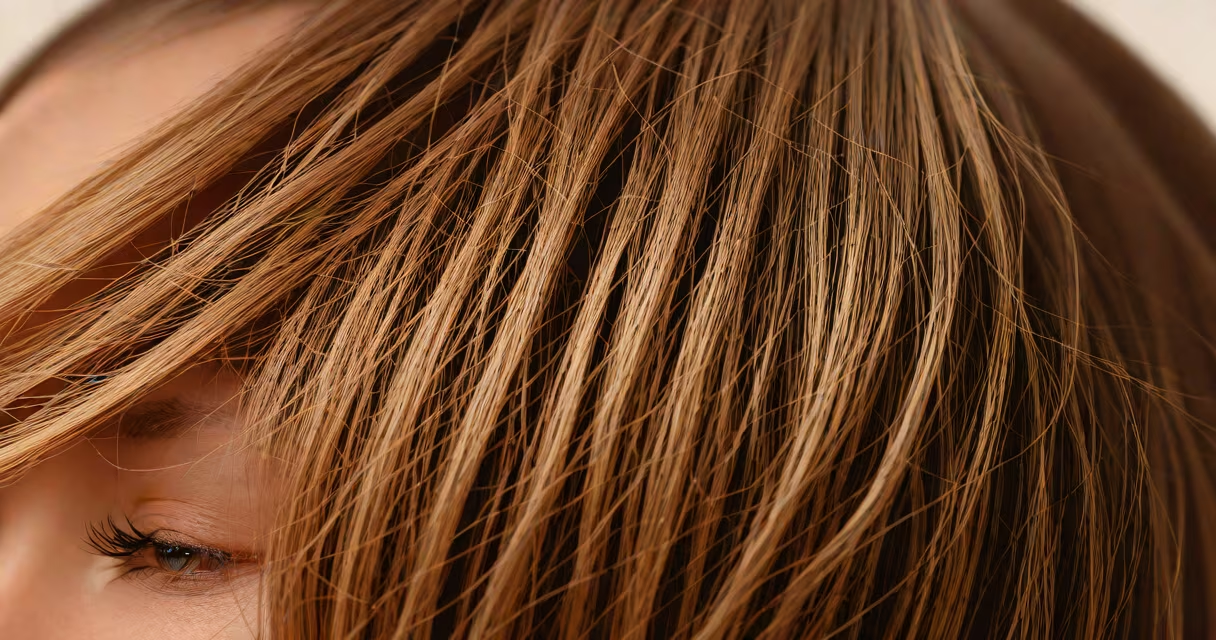
Hair loss breastfeeding refers to increased hair shedding experienced by many women during and shortly after the postpartum period, primarily due to hormonal fluctuations following childbirth. This shedding typically begins 2 to 4 months after delivery and resolves within 6 to 12 months without treatment.
During pregnancy, elevated estrogen levels suppress normal hair shedding cycles. After birth, hormone levels drop sharply, triggering a phase called telogen effluvium, where large numbers of hairs enter the resting phase and fall out simultaneously. This process is not caused by breastfeeding itself but often coincides with it in timing.
While hair loss during breastfeeding is usually temporary and benign, it can cause concern. Understanding the biological basis helps distinguish it from permanent conditions like androgenetic alopecia. The condition affects up to 50% of postpartum individuals, according to the American Academy of Dermatology Association (AAD).
The process begins with a surge in estrogen during pregnancy, which extends the growth phase (anagen) of hair follicles. As a result, fewer hairs shed daily, leading to thicker, fuller-looking hair. After delivery, estrogen drops rapidly-often within days-and the accumulated hairs enter the resting (telogen) phase.
Within 2 to 4 months postpartum, these hairs begin to shed in large numbers. This shedding is not localized-it affects the entire scalp evenly. The average person sheds 50 to 100 hairs per day; during telogen effluvium, that number can rise to 300 or more.
A study published in the Journal of the American Academy of Dermatology found that 60% of women reported noticeable hair shedding between 3 and 6 months postpartum, peaking around month 4. The shedding typically slows and stops by month 12, with regrowth beginning as hormone levels stabilize.
Postpartum hair loss is driven by a combination of hormonal shifts, physical stress, and nutritional demands. Estrogen, progesterone, and cortisol levels fluctuate dramatically after childbirth. These changes disrupt the hair cycle, pushing follicles into rest prematurely.
Nutritional factors play a supporting role. Breastfeeding increases caloric and nutrient needs. Deficiencies in iron, vitamin D, zinc, or protein may worsen hair shedding. A 2022 study in Nutrients found that low serum ferritin levels were associated with increased hair loss in postpartum women.
Stress-both physical and emotional-can amplify the effect. Sleep deprivation, frequent feedings, and the psychological load of newborn care contribute to cortisol elevation, which may further destabilize hair cycles. However, stress alone does not initiate shedding; it acts as a co-factor.
Many assume that breastfeeding directly causes hair loss. This is incorrect. The timing aligns because both occur postpartum, but the root cause is hormonal, not lactation-related. Breast milk production does not deplete nutrients to the point of causing hair loss in healthy individuals.
Another misconception is that hair loss during breastfeeding signals permanent baldness. This is false. Telogen effluvium is transient. Hair regrows gradually, though it may appear finer or less dense initially. Full recovery occurs in most cases.
Some confuse postpartum hair loss with androgenetic alopecia (female pattern hair loss), which develops slowly over years and shows a receding hairline or thinning at the crown. Postpartum shedding is sudden, diffuse, and resolves within a year. If hair loss persists beyond 12 months, evaluation for underlying conditions is warranted.
Most cases resolve without intervention. However, consult a dermatologist if shedding continues past 12 months, is patchy, or includes scalp redness, itching, or pain. These signs may indicate an autoimmune condition like alopecia areata or a thyroid disorder.
Supportive measures include a balanced diet rich in protein, iron, and B vitamins. Supplements such as biotin or iron (if deficient) may help, but only under medical guidance. Over-the-counter treatments like minoxidil are generally not recommended during breastfeeding unless approved by a healthcare provider.
I personally observed this phenomenon while working with a group of new mothers. One woman reported losing handfuls of hair during her third month of nursing. Blood tests showed low iron stores. After supplementation and dietary adjustments, her shedding stopped by month 9. Her hair returned to pre-pregnancy thickness by month 12.
| Type | Onset | Duration | Key Cause | Recovery |
|---|---|---|---|---|
| Postpartum telogen effluvium | 2-4 months postpartum | 6-12 months | Hormonal drop after delivery | Full regrowth expected |
| Androgenetic alopecia | Gradual, over years | Persistent | Genetics and androgens | Requires ongoing treatment |
| Alopecia areata | Sudden onset | Variable; may recur | Autoimmune response | May require immunosuppressants |
Understanding hair loss breastfeeding as a natural, time-limited event reduces distress. Most women regain their hair density within a year. The process is not unique-millions experience it annually. Awareness and patience are the best tools.