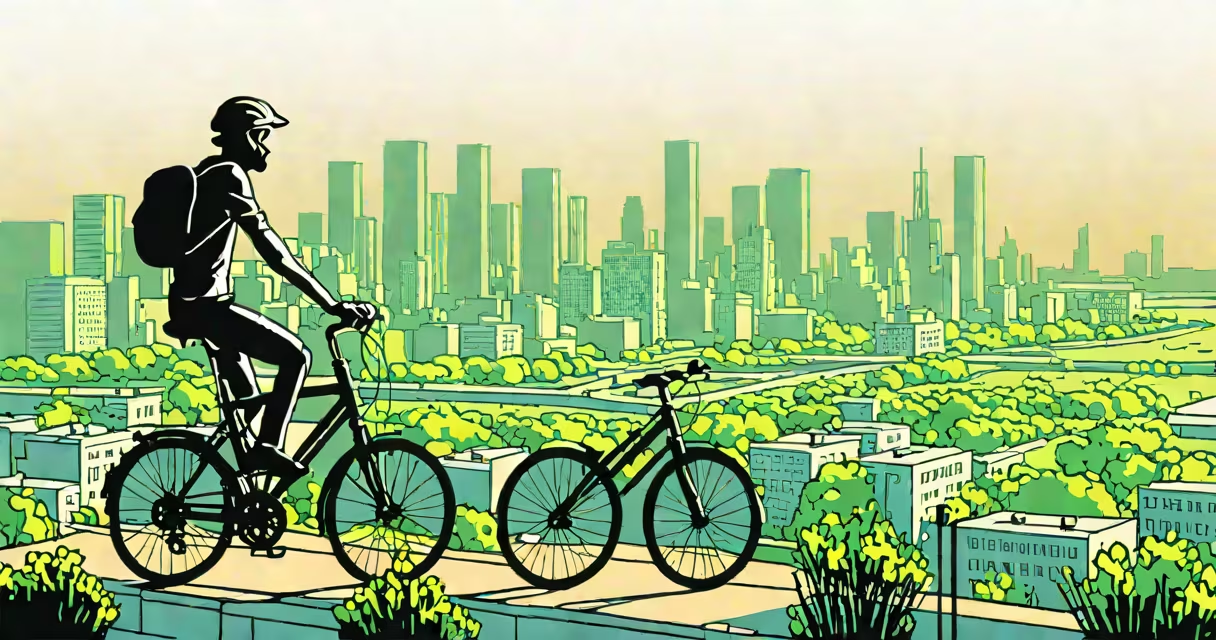
Individuals can reduce air pollution by minimizing fossil fuel use, supporting clean energy, choosing low-emission transportation, and advocating for stronger environmental policies. These actions collectively lower harmful pollutants like nitrogen oxides, particulate matter, and volatile organic compounds.
Air pollution stems from vehicles, industrial processes, power plants, and household activities. When fuels burn, they release gases and fine particles into the atmosphere. These pollutants degrade respiratory health, damage ecosystems, and accelerate climate change. Reducing emissions requires coordinated efforts across personal habits, urban planning, and national regulations.
The Environmental Protection Agency (EPA) identifies transportation and energy generation as the largest sources of U.S. air pollution. In 2022, vehicles accounted for 28% of greenhouse gas emissions, while electricity production contributed 25%. These figures show how daily choices influence regional and global air quality.
Every time you choose walking, biking, or public transit over driving, you cut carbon dioxide and nitrogen oxide emissions. A single car trip replaced by a bus reduces CO₂ by 4.6 pounds per mile. Over a year, switching from a personal vehicle to mass transit can eliminate over 1,000 pounds of emissions per person.
Switching to renewable energy at home also makes a measurable difference. A typical U.S. household using solar panels avoids approximately 3.5 tons of CO₂ annually. This is equivalent to planting 88 trees each year or removing 1.5 cars from the road.
Reducing meat consumption lowers agricultural emissions. Livestock farming generates 14.5% of global greenhouse gas emissions, according to the UN Food and Agriculture Organization. Cutting red meat by half can reduce an individual's food-related emissions by 12%.
Simple behavioral changes yield significant results. Replacing a single incandescent bulb with an LED saves 100 kWh of electricity per year. That equates to avoiding 75 pounds of CO₂ emissions annually-enough to offset the pollution from driving 300 miles.
| Action | Annual Emission Reduction | Equivalent Impact |
|---|---|---|
| Using public transit 3 days/week | 1,200 lbs CO₂ | Removes 1.5 cars from the road |
| Installing a smart thermostat | 400 lbs CO₂ | Saves 1,000 kWh of heating energy |
| Composting food waste | 200 lbs CO₂e | Reduces methane from landfills |
These reductions are not theoretical. In Portland, Oregon, a city-wide campaign promoting bike commuting led to a 14% drop in traffic-related NOx levels between 2018 and 2022. Data from the Oregon Department of Environmental Quality confirms that increased cycling correlates with improved local air quality.
Many assume that individual actions don't matter because large industries dominate pollution. But collective behavior drives policy change. When 70% of Americans support clean air regulations, lawmakers respond. Public pressure led to the Clean Air Act Amendments of 1990, which reduced sulfur dioxide emissions by 50% nationwide within a decade.
Another misconception is that air pollution only affects cities. Rural areas face rising risks from agricultural burning and long-range transport of pollutants. In California's Central Valley, seasonal smoke from crop residue fires causes PM2.5 levels to exceed WHO safety limits for weeks each year. Residents in these regions still benefit from reduced personal emissions through cleaner cooking methods and electric equipment.
Some believe air quality improvements happen automatically with economic growth. But China's experience shows otherwise. Between 2000 and 2010, rapid industrialization caused PM2.5 levels to rise above 100 µg/m³ in major cities. Only after implementing strict emission controls and shifting to renewables did concentrations begin to fall.
In 2021, residents of West Oakland, California, launched a "Clean Air Block" project. They installed air quality monitors, created a car-free zone on weekends, and offered free e-bike rentals. Within 18 months, average PM2.5 levels dropped from 12.8 µg/m³ to 9.3 µg/m³-below the WHO annual guideline of 10 µg/m³.
Participants reported fewer asthma symptoms and higher walkability scores. The success prompted city officials to expand the program to five additional neighborhoods. This demonstrates how localized action, backed by data and community engagement, leads to measurable environmental outcomes.
When you take action, you contribute to a larger movement. The World Health Organization estimates that 7 million premature deaths annually are linked to air pollution. By reducing your footprint, you help prevent illness and save lives.