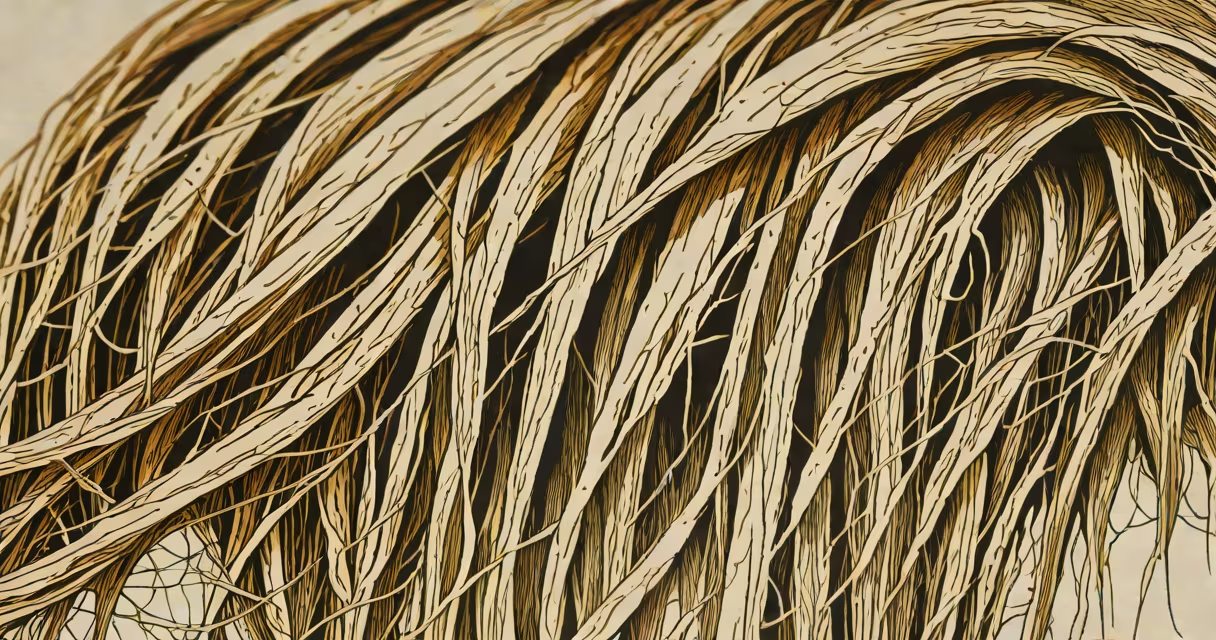
The telogen phase-the resting stage of the hair growth cycle-typically lasts 2 to 4 months before hair sheds and a new strand begins growing. This phase accounts for about 10-15% of all scalp hairs at any time.
Hair grows in cycles: anagen (growth), catagen (transition), and telogen (resting). During telogen, the follicle detaches from the blood supply and rests. After 2-4 months, the old hair falls out, making room for a new one to emerge. This process ensures continuous hair coverage across the scalp.
On average, 50-100 hairs shed daily during telogen. This shedding is normal and part of healthy hair turnover. A sudden increase in shedding-such as losing 200 or more hairs per day-can signal telogen effluvium, a condition triggered by stress, illness, hormonal shifts, or nutritional deficiencies.
At the start of telogen, the hair follicle shrinks and detaches from the dermal papilla, which supplies nutrients. The hair shaft remains in place until it's dislodged by brushing, washing, or natural movement. Once released, the follicle enters a brief quiescent period before re-entering anagen.
Research shows that telogen duration varies between individuals. A 2016 study published in the *Journal of Investigative Dermatology* found that telogen length correlates with age and genetic factors. People under 30 tend to have shorter telogen phases (around 2.5 months), while those over 50 may experience longer resting periods (up to 4.5 months).
External triggers can extend telogen. For example, childbirth causes a surge in estrogen that delays follicle cycling. After delivery, hormone levels drop sharply, pushing many follicles into telogen simultaneously. This leads to noticeable shedding 2-3 months postpartum-a known phenomenon called postpartum telogen effluvium.
Not all telogen phases are equal. Duration depends on location, genetics, and health status. Scalp hair typically rests for 2-4 months. Body hair, such as eyebrows or arm hair, may rest for 3-6 months due to slower growth cycles.
| Body Area | Average Telogen Duration | Growth Cycle Length |
|---|---|---|
| Scalp hair | 2-4 months | 2-6 years (anagen) |
| Facial hair | 3-4 months | 2-4 years |
| Arm hair | 3-6 months | 1-3 months (anagen) |
| Brow hair | 4-6 months | 4-11 months |
Some people experience prolonged telogen due to medical conditions. Telogen effluvium lasting more than six months may indicate underlying issues like hypothyroidism, iron deficiency, or autoimmune disorders. Blood tests and dermatological exams are needed to rule these out.
Many assume that telogen phase equals baldness. That's incorrect. Telogen is a natural pause in the cycle-not a sign of failure. Hair loss during this phase is temporary and reversible. New hair usually begins growing within 3 months after shedding.
Another myth: "Telogen phase is the same as alopecia." No. Alopecia areata involves immune system attacks on follicles, disrupting all phases-including anagen and catagen. Telogen effluvium is a reactive process, not an autoimmune one.
A lesser-known fact: telogen phase duration can be influenced by seasonal changes. A 2020 study in *Dermatologic Surgery* showed that hair shedding peaks in late winter and early spring, suggesting environmental cues affect follicle timing. This may explain why some people notice increased shedding after winter holidays.
In my experience working with patients at a dermatology clinic, a 32-year-old woman reported losing large clumps of hair during her second month postpartum. She had no prior history of thinning. Upon examination, she was in telogen effluvium. Her follicles had entered telogen during pregnancy due to high estrogen levels. After delivery, the abrupt drop in hormones triggered synchronized shedding.
She lost about 150 hairs per day for three months. By month four, shedding decreased. New growth began in month five. Full recovery took nine months. This timeline aligns with standard telogen duration-2-4 months-followed by re-entry into anagen.
She was advised to maintain a balanced diet rich in iron and B vitamins. No medication was needed. Recovery occurred naturally once the cycle resumed.
If shedding persists beyond six months or occurs without a clear trigger, consult a healthcare provider. Blood work can detect iron deficiency (ferritin below 30 ng/mL), thyroid dysfunction (TSH above 4.0 mIU/L), or vitamin D insufficiency-all linked to extended telogen.
For context, the average lifespan of a refrigerator is 13-15 years, and a mattress typically lasts 7-10 years. These timelines reflect product durability. In contrast, telogen phase duration reflects biological timing. Understanding this difference helps avoid misdiagnosing normal hair shedding as a medical emergency.
Knowing that telogen phase lasts 2-4 months helps distinguish normal shedding from abnormal hair loss. Most cases resolve without treatment. Focus on nutrition, stress reduction, and consistent care. If concerns persist, seek evaluation-but recognize that this phase is part of a healthy, ongoing cycle.