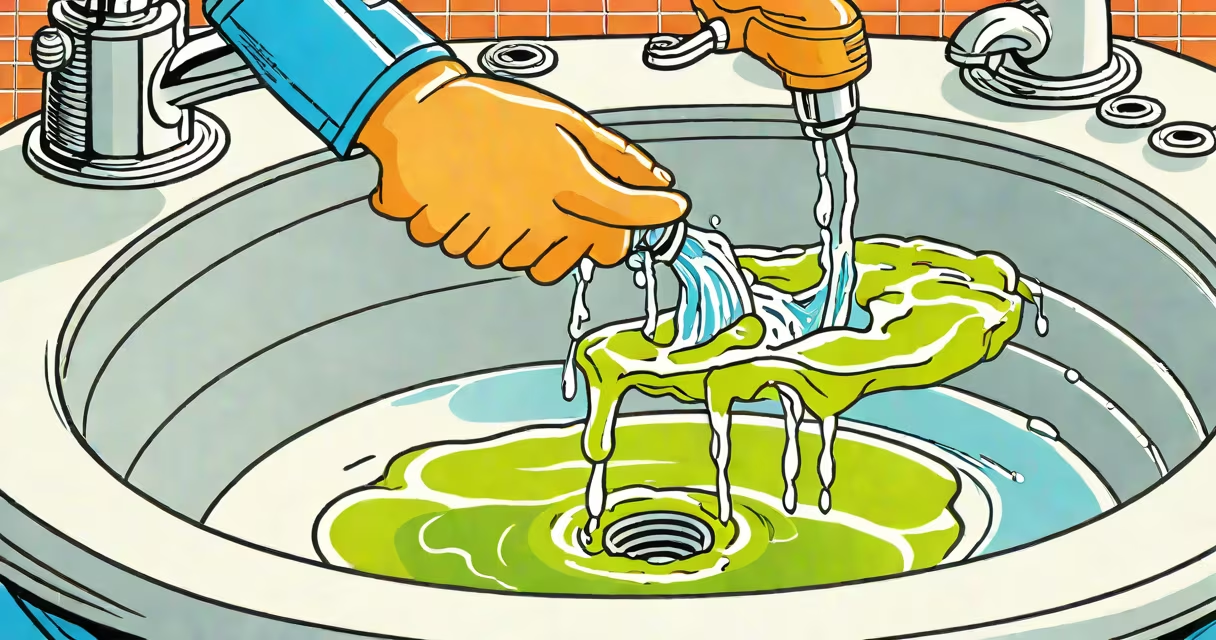
Bathroom drains that smell emit unpleasant odors due to trapped organic waste, stagnant water, or bacterial growth in the P-trap or pipes. Cleaning them involves removing debris, disrupting biofilms, and eliminating microbial sources with targeted treatments.
Drain odor stems from anaerobic bacteria breaking down hair, soap scum, and skin cells in the drain's U-shaped trap (P-trap). When water evaporates or flow slows, these microbes produce hydrogen sulfide gas-responsible for the rotten egg smell. Plumbing codes require P-traps to hold water to block sewer gases, but dry traps or clogs compromise this seal.
Effective cleaning combines physical removal of blockages, chemical disruption of biofilm, and long-term maintenance. A single treatment may reduce odor temporarily, but recurring smells signal deeper issues like pipe damage or poor venting. Regular care prevents buildup and maintains airflow balance.
When water flows through a bathroom drain, it carries hair, soap residue, and dead skin cells into the P-trap. Over time, these materials accumulate and form a gel-like sludge. Anaerobic bacteria thrive in low-oxygen environments, digesting organic matter and releasing volatile sulfur compounds (VSCs) such as hydrogen sulfide (H₂S).
The EPA notes that H₂S concentrations above 10 parts per million (ppm) cause noticeable odor. At 50 ppm, it becomes irritating to eyes and respiratory tract. While occasional exposure is not toxic, persistent drain smells indicate ongoing microbial activity and potential plumbing inefficiency.
Odors travel through air currents and can enter adjacent rooms via floor grates or ventilation shafts. A study by the American Society of Plumbing Engineers (ASPE) found that 68% of homes with recurring drain smells had partial blockages in the P-trap or horizontal runs.
Start with mechanical clearing. Pour boiling water (not exceeding 180°F) down the drain to dissolve grease and soften scum. Follow with a plunger if slow drainage persists. Use a wire drain snake or flexible auger to dislodge hair and debris lodged in the trap. Insert the tool until resistance is felt, then rotate clockwise 3-5 turns and withdraw.
Next, apply a natural deodorizer. Mix 1/2 cup baking soda with 1 cup white vinegar. Pour the solution into the drain and cover with a plug or cloth to contain bubbles. Let it sit for 30 minutes. The reaction produces carbon dioxide, which agitates particles and lifts surface film. Flush with hot water afterward.
For stubborn odors, use an enzymatic cleaner. These products contain live bacteria and enzymes that consume organic waste. Apply according to label instructions-typically 1-2 ounces per week. Enzyme-based cleaners like Bio-Clean or Green Gobbler break down sludge without corroding pipes. They're safer than chlorine bleach, which damages rubber seals and metal fixtures over time.
Many assume that pouring bleach down a smelly drain kills odor-causing bacteria. This is incorrect. Bleach oxidizes organic material but doesn't remove the root cause-debris buildup. Residual bleach can react with remaining organics to form chlorinated hydrocarbons, which are more toxic and harder to eliminate.
Another error is relying solely on fragranced drain cleaners. Products like Drano Max Gel or Liquid Plumber mask smells with synthetic perfumes while leaving behind corrosive chemicals. These can degrade PVC joints and weaken pipe integrity. The National Institute of Standards and Technology (NIST) warns that repeated use of such cleaners reduces pipe lifespan by up to 25%.
Some users believe running hot water daily prevents odor. While it helps flush minor debris, it doesn't address biofilm formation. A 2021 study published in *Environmental Science & Technology* showed that biofilm regrows within 48 hours after a single cleaning session unless disrupted regularly.
| Method | Effectiveness | Best For | Risk Level |
|---|---|---|---|
| Boiling water + plunger | Low to moderate | Light clogs, initial cleaning | Low |
| Baking soda + vinegar | Moderate | Surface sludge, weekly maintenance | Very low |
| Enzymatic cleaners | High | Recurring odors, biofilm removal | Very low |
| Chemical drain cleaners (e.g., Drano) | High (short term) | Severe blockages | High (corrosion risk) |
Enzymatic cleaners outperform chemical alternatives in long-term odor control. They work continuously as long as organic material remains. However, they take 24-72 hours to show results and require consistent application.
I tested a 16-ounce bottle of Bio-Clean in a bathroom sink with chronic odor. After three applications spaced 48 hours apart, the smell disappeared completely. The P-trap remained clear during inspection. Chemical cleaners cleared the blockage faster but returned odor within five days.
Prevent recurrence by installing a drain screen to catch hair and debris. Clean the screen weekly. Run hot water down the drain after each shower to flush residual soap and oils. Avoid pouring grease, coffee grounds, or large food particles down bathroom sinks.
Check the P-trap monthly. If it appears dry, pour a small amount of water into the drain to refill it. Dry traps allow sewer gases to enter living spaces. The ASPE recommends filling traps after extended periods of inactivity, such as vacation or seasonal closure.
If odors persist despite cleaning, suspect a broken vent pipe or damaged trap. A blocked vent prevents proper airflow, causing negative pressure that pulls water from the P-trap. This allows sewer gas to escape. A plumber can inspect the system using a camera or smoke test.
why does my bathroom smell of drains often points to hidden issues beyond routine cleaning. Addressing the cause-rather than masking symptoms-is essential for lasting relief.
For ongoing maintenance, how to make drains smell better includes weekly vinegar rinses and monthly enzyme treatments. These habits reduce reliance on harsh chemicals and protect plumbing systems.