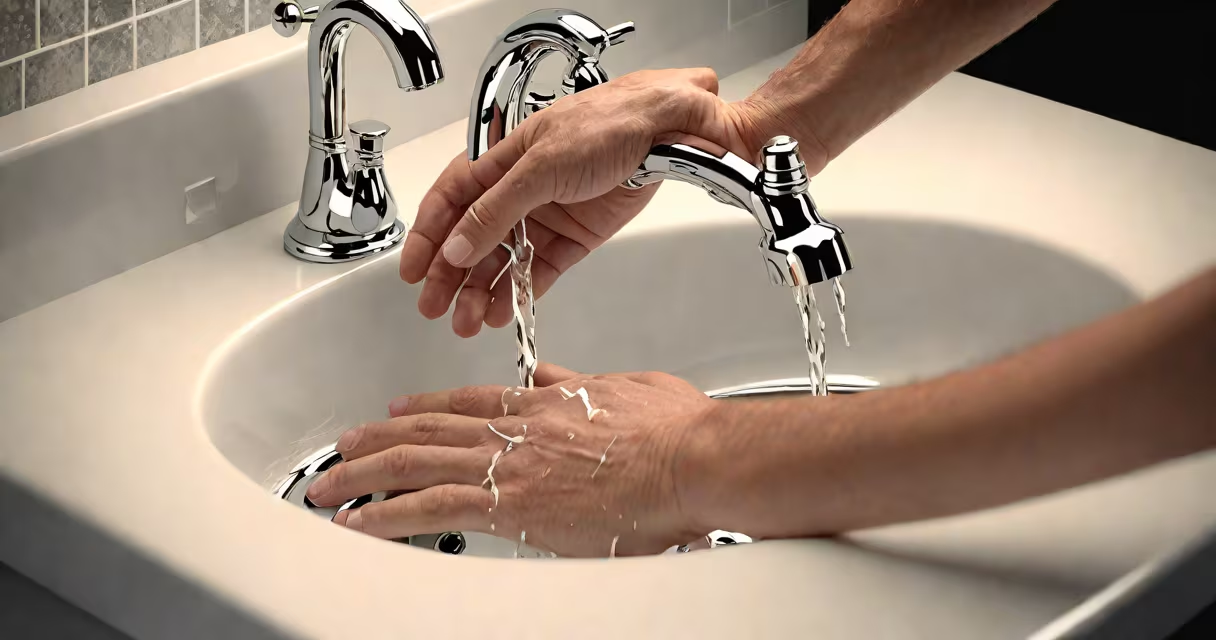
A pop-up drain is a sink drain mechanism that uses a pivot rod and stopper to control water flow. Cleaning it removes hair, soap scum, and debris that cause slow drainage or odors. This process requires basic tools and takes under 15 minutes.
Pop-up drains work through a lift-and-turn mechanism. When you lift the faucet handle, a rod connected to the stopper moves upward, lifting the stopper and allowing water to drain. Over time, hair, grease, and residue accumulate around the pivot rod and inside the drain trap. These buildups restrict flow and create unpleasant smells.
Most pop-up drains have a removable stopper and a pivot rod that connects to the drain body. The rod sits in a brass or plastic socket. Debris collects in the socket and along the rod's path. If ignored, this leads to persistent clogs and standing water.
Basic supplies include rubber gloves, a plunger, a wire coat hanger or drain snake, a small screwdriver, and a bucket. A flashlight helps inspect the drain cavity. Vinegar and baking soda offer a natural deodorizing option.
For deeper blockages, a bent wire tool or a flexible drain snake (also called a plumber's snake) works better than a hanger. Store-bought drain cleaners can damage pipes and should be avoided unless absolutely necessary.
Use a bucket to catch water when removing the stopper. Place rags nearby to wipe up spills. Always wear gloves-residue may contain bacteria or skin irritants.
Begin by removing the stopper. Turn the sink's handle clockwise until it stops. Pull the stopper straight up. Most models release with a gentle tug. If stuck, wiggle it side to side.
Next, locate the pivot rod. It runs from the stopper to the drain body. Unscrew the nut at the base of the rod. Lift the rod out. Inspect the rod and socket for buildup. Use tweezers or a small brush to remove trapped hair and gunk.
Flush the drain with hot water after removal. Run water for 30 seconds to clear loose particles. Use a bent wire or drain snake to probe the pipe below the trap. Push gently to dislodge hardened debris.
Reassemble the parts in reverse order. Reinsert the pivot rod, tighten the nut, and replace the stopper. Test the function by turning the handle and checking for smooth movement.
Many people skip cleaning the pivot rod socket. This area holds most of the debris. Even if the stopper appears clean, residue in the socket causes clogs. Always inspect the socket after removal.
Another error is forcing the stopper back into place. If resistance occurs, stop and check alignment. Misaligned rods can crack the drain body or jam the mechanism. Recheck the rod's position before tightening.
Using chemical drain cleaners is a common mistake. These products can corrode metal components and degrade PVC piping. They also mask symptoms rather than fixing root causes. For example, Drano® can reduce pipe lifespan by up to 30% over time, according to the National Association of Plumbing-Heating-Cooling Contractors (NAPHCC).
If the drain remains slow after cleaning, the issue may lie beyond the accessible parts. A blocked vent pipe or damaged trap could be the cause. These require specialized tools and knowledge.
Signs of deeper problems include recurring backups, gurgling sounds, or sewage odors. These indicate a blockage in the main sewer line or improper venting. A licensed plumber can diagnose and repair such issues safely.
For persistent clogs, consider a video inspection. Plumbers use a flexible camera to view the interior of pipes. This reveals cracks, tree root intrusion, or collapsed sections that aren't visible otherwise.
Regular cleaning prevents buildup. Perform a quick check every two weeks. Remove the stopper and wipe the socket with a cloth. Flush with boiling water monthly to dissolve grease.
Install a drain screen to catch hair before it enters the pipe. These cost $3-$8 and fit most standard sinks. Replace them every 6 months or when clogged.
After showering, pour ½ cup of baking soda followed by 1 cup of vinegar down the drain. Let it sit for 15 minutes, then flush with hot water. This routine reduces odor and loosens minor buildup.
| Method | Best For | Time Required | Effectiveness |
|---|---|---|---|
| Manual removal | Visible hair and debris | 5-10 min | High |
| Plunger | Partial clogs with air pockets | 3-5 min | Moderate |
| Drain snake | Deep blockages | 10-15 min | Very high |
| Baking soda/vinegar | Odor control and light buildup | 15 min (including wait) | Low to moderate |
Manual removal is the most effective method for pop-up drains. It targets the root cause-debris in the stopper and pivot assembly. Plunging works only if the clog is downstream. Drain snakes reach further but require care to avoid scratching pipes.
One non-obvious fact: the pivot rod often bends over time due to repeated stress. A misaligned rod causes the stopper to stick or fail to seal. During reassembly, verify the rod moves freely. If it wobbles or doesn't turn smoothly, replace the rod or consult a plumber.
I once cleaned a bathroom sink drain that had not drained properly for six months. After removing the stopper, I found a tangled mass of hair and soap scum blocking the rod. The socket was nearly full. After cleaning, the water drained in less than five seconds. The smell vanished immediately.
how to clean pop up drain is a routine task that prevents bigger plumbing issues. With the right tools and consistent habits, you can maintain clear flow and eliminate odors. Addressing the problem early saves time, money, and frustration.