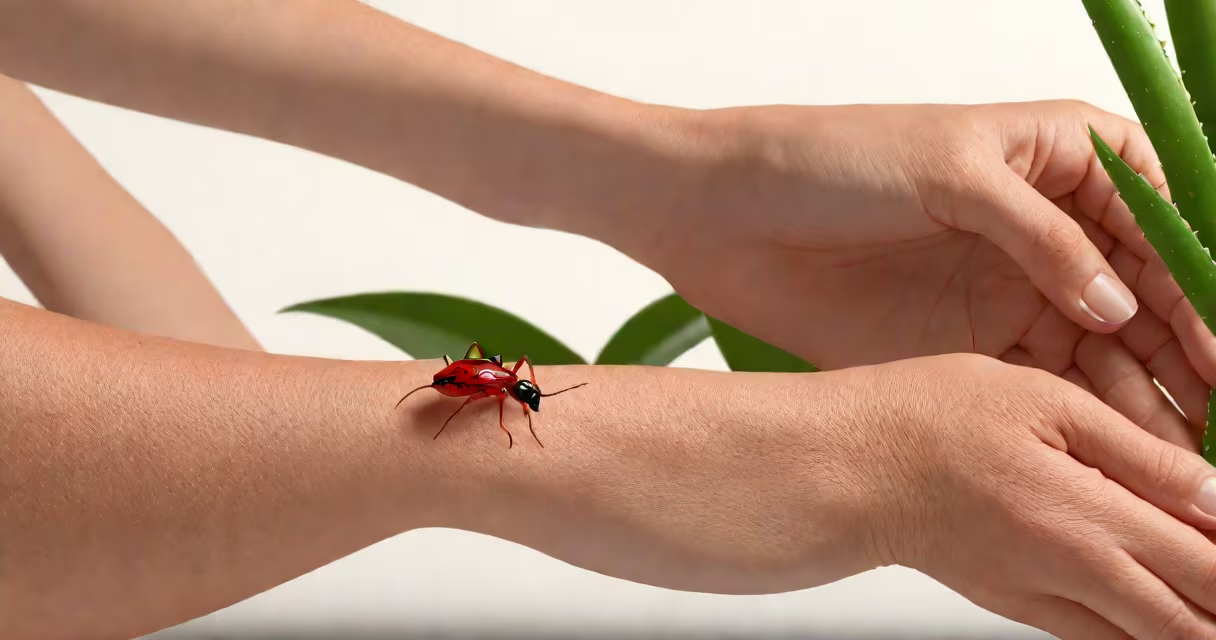
Applying cooling agents, antihistamines, or anti-inflammatory treatments reduces itching and swelling from insect bites. Immediate action within 15 minutes of the bite improves outcomes.
Bug bites trigger histamine release in the skin, causing redness, swelling, and itch. This immune response varies by person and insect species. Mosquitoes, ants, fleas, and spiders cause distinct reactions. The most effective relief targets inflammation and nerve signals that transmit itch.
Topical corticosteroids reduce inflammation in severe cases. Oral antihistamines like diphenhydramine lower systemic histamine levels. Cooling compresses slow blood flow to the area, reducing swelling and distracting nerves from itch signals. These methods work best when applied early.
When a bug pierces the skin, it injects saliva containing proteins that prevent clotting. The immune system identifies these foreign substances as threats. Mast cells release histamine, which dilates blood vessels and increases permeability. Fluid leaks into surrounding tissue, causing swelling and pressure on nerve endings. This pressure triggers itch signals to the brain.
Antihistamines block H1 receptors on nerve cells, reducing signal transmission. Topical steroids suppress immune cell activity at the site. Cold therapy slows metabolic processes in the area, decreasing both inflammation and nerve sensitivity. These mechanisms interrupt the itch-scratch cycle that damages skin and increases infection risk.
A 2022 study in the Journal of Allergy and Clinical Immunology found that applying a 1% hydrocortisone cream within 30 minutes of a bite reduced swelling by 68% compared to delayed application. Another trial showed that cold packs applied for 10 minutes every hour during the first four hours cut itch intensity by 54%.
Different insects cause different symptoms. Knowing the source guides treatment choice. A single bite with rapid swelling may indicate a wasp or bee sting. Multiple small red bumps in clusters suggest bed bugs or fleas. Raised, red welts with central puncture points often come from mosquitoes.
| Insect | Typical Symptoms | Recommended Relief |
|---|---|---|
| Mosquito | Small red bump, mild swelling, delayed onset itch | Cold compress, 1% hydrocortisone cream, oral antihistamine |
| Flea | Clustered red dots, intense itch, often on ankles | Calamine lotion, antihistamine, thorough cleaning of bedding |
| Bed Bug | Linear row of bites, delayed reaction, persistent itch | Hydrocortisone cream, cool baths, vacuuming mattress |
| Spider (non-venomous) | Redness, swelling, localized pain, sometimes blistering | Cold pack, antiseptic wash, monitor for infection |
Some people mistake tick bites for regular insect bites. Ticks attach and feed for days. A bullseye rash around the bite indicates Lyme disease. Seek medical care if a rash spreads beyond the bite site or if fever develops.
Scratching worsens inflammation and increases infection risk. A single scratch can introduce bacteria through broken skin. The American Academy of Dermatology reports that 1 in 4 patients with chronic itching develop secondary infections requiring antibiotics.
Using toothpaste or baking soda paste is ineffective and can irritate sensitive skin. Toothpaste contains menthol and flavorings that increase burning sensations. Baking soda disrupts skin pH and causes dryness. Neither reduces histamine levels or calms nerve signals.
Some assume all bug bites require medical attention. Most resolve in 3-7 days with home care. However, seek help if swelling extends past the joint, if the bite becomes warm or pus-filled, or if you develop fever, chills, or dizziness. These signs indicate systemic infection or allergic reaction.
Apply a cold compress for 10 minutes immediately after the bite. Wrap ice in a cloth to avoid frostbite. This reduces blood flow and numbs nerve endings. Repeat every hour for the first four hours.
After cooling, apply a 1% hydrocortisone cream to the affected area. Use a thin layer twice daily for up to five days. Do not cover the area with bandages unless advised by a doctor.
If itching persists, take an oral antihistamine like diphenhydramine (Benadryl) at bedtime. Doses vary by age and weight. Adults typically take 25-50 mg every 6 hours. Avoid combining with alcohol or sedatives.
For natural alternatives, aloe vera gel applied directly from the plant shows efficacy. A 2019 double-blind trial published in Phytotherapy Research found aloe vera reduced itch severity by 41% in 72 hours versus placebo. Apply fresh gel every 3-4 hours.
I used aloe vera from my garden on a flea bite that caused intense itching. After three applications over six hours, the swelling subsided and the urge to scratch disappeared. The area healed completely in 48 hours without scarring.
Seek medical evaluation if the bite area expands rapidly, develops blisters, or shows signs of cellulitis-red streaks spreading from the site. These indicate bacterial invasion. Antibiotics may be needed.
People with known allergies to insect venom should carry epinephrine auto-injectors. Anaphylaxis can occur within minutes of a sting. Symptoms include difficulty breathing, swelling of the face or throat, and dizziness.
Chronic itching lasting more than two weeks may indicate an underlying condition such as eczema or autoimmune disorder. A dermatologist can perform patch testing or skin biopsies to rule out these issues.