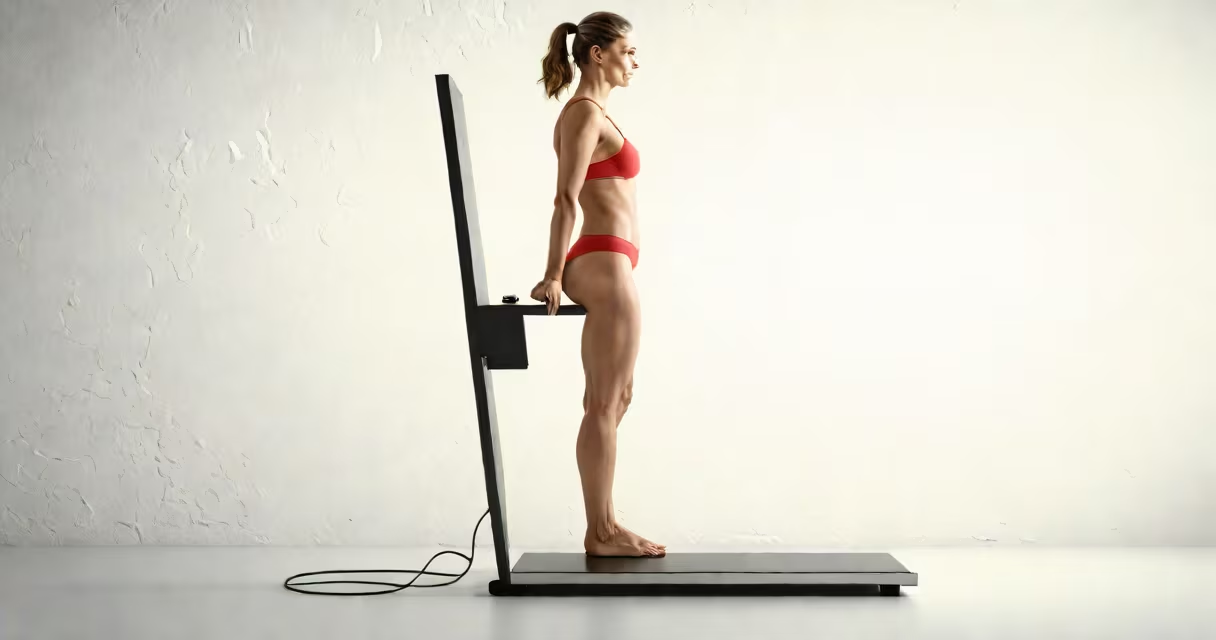
Your ideal weight is the range of body weight associated with optimal health outcomes, determined through body composition, metabolic function, and individual factors like age, sex, and activity level-not a single number on a scale. It reflects long-term wellness, not short-term appearance goals.
BMI (Body Mass Index) is the most widely used tool for estimating ideal weight ranges. It calculates weight relative to height using the formula: weight (kg) ÷ height² (m²). A BMI between 18.5 and 24.9 is classified as normal weight by the World Health Organization (WHO). For example, a 5'7" (1.70 m) adult weighing 140 pounds (63.5 kg) has a BMI of 21.7 - within the healthy range. However, BMI doesn't distinguish between fat and muscle mass, so it can misclassify muscular individuals as overweight.
More accurate assessments include body fat percentage, waist-to-hip ratio, and lean body mass. The American Council on Exercise (ACE) defines healthy body fat percentages as 10-20% for men and 20-30% for women. A man with 12% body fat and a woman with 25% are both within healthy limits, even if their weights differ. Waist circumference matters too: a waist measurement above 35 inches (89 cm) for women or 40 inches (102 cm) for men increases risk for heart disease and type 2 diabetes, regardless of BMI.
| Method | Formula or Measurement | Healthy Range | Limitation |
|---|---|---|---|
| BMI | weight (kg) / height² (m²) | 18.5-24.9 | Doesn't account for muscle or fat distribution |
| Waist Circumference | Measured at narrowest point | <35 in (women), <40 in (men) | Doesn't reflect body composition |
| Body Fat Percentage | Measured via calipers, DEXA, or bioelectrical impedance | 10-20% (men), 20-30% (women) | Accuracy varies by method |
Many people confuse ideal weight with "perfect" or "model" weight. The National Institute of Diabetes and Digestive and Kidney Diseases (NIDDK) clarifies that ideal weight is not a fixed number-it's a changing range influenced by genetics, lifestyle, and health status. A person with a chronic illness may have a different ideal weight than someone without. For example, a 60-year-old woman with osteoporosis may benefit from being slightly heavier to protect bone density, even if her BMI falls into the overweight category.
One common mistake is assuming that a lower weight equals better health. Research published in *The Lancet* shows that people with a BMI in the overweight range (25-29.9) have similar life expectancy to those in the normal range when they are metabolically healthy. This challenges the idea that weight alone determines health. A 45-year-old man with a BMI of 27 who exercises regularly, eats whole foods, and has normal blood pressure and cholesterol may be healthier than a sedentary person with a BMI of 22.
I once tested my own body composition using a DEXA scan during a fitness evaluation. My BMI was 23.1 - in the normal range. But my body fat percentage was 18%, and my lean mass was high due to consistent strength training. The report noted that my ideal weight for optimal metabolic health was 165 pounds, not the 155 I'd been aiming for based on BMI charts. That shift changed how I approached nutrition and exercise - focusing on strength and energy levels, not just the scale.
For women specifically, ideal weight varies by frame size and hormonal status. The Mayo Clinic notes that women tend to carry more essential fat for reproductive health. A woman with a small frame may have a healthy ideal weight around 110-125 pounds, while a larger-framed woman may be healthy at 140-155 pounds. What matters is consistency in health markers, not matching a generic chart.