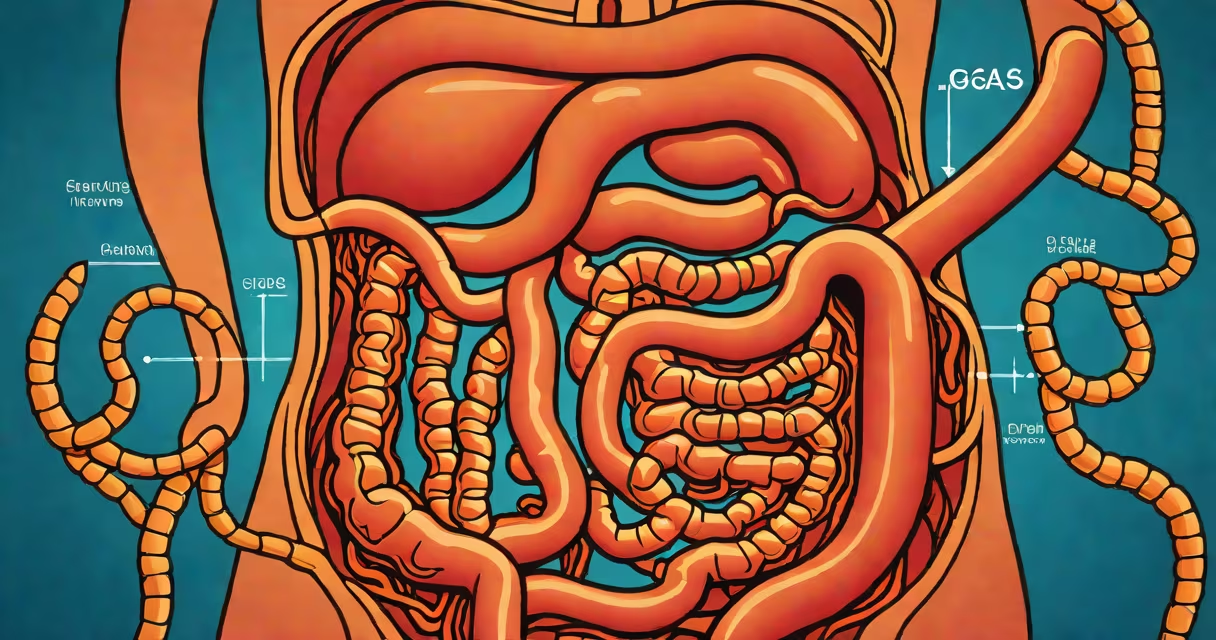
Intestinal discomfort and gas refer to bloating, cramping, and the release of excess gas from the digestive tract, typically caused by undigested food fermenting in the colon or swallowed air. These symptoms arise when gas accumulates faster than the body can expel it, leading to pressure and pain.
Gas forms during digestion when bacteria in the large intestine break down carbohydrates that weren't absorbed in the small intestine. Swallowed air during eating or drinking also contributes. Common signs include bloating, burping, flatulence, and abdominal rumbling. Symptoms vary widely between individuals based on gut microbiome composition, dietary habits, and sensitivity levels.
The American Gastroenterological Association notes that gas-related symptoms affect up to 30% of adults at some point, with most cases linked to dietary factors rather than serious disease. Persistent or severe discomfort may signal irritable bowel syndrome (IBS), lactose intolerance, or small intestinal bacterial overgrowth (SIBO).
Gas production begins in the mouth when chewing, swallowing, or consuming carbonated drinks introduces air into the digestive system. This air travels through the esophagus and stomach, then passes into the small intestine. Most air moves into the large intestine and exits via the rectum as flatus.
When carbohydrates like fiber, lactose, fructose, or oligosaccharides aren't fully digested in the small intestine, they reach the colon. Gut bacteria ferment these substances, producing hydrogen, methane, and carbon dioxide. The volume of gas increases, stretching the intestinal walls and triggering discomfort.
A 2021 study published in *Gut* found that individuals with higher levels of methane-producing archaea in their gut reported more frequent bloating and constipation. This suggests microbial imbalance can amplify gas-related symptoms beyond dietary intake alone.
Dietary choices are the primary driver of intestinal discomfort and gas. High-fiber foods such as beans, lentils, broccoli, cabbage, and onions contain raffinose and other complex sugars that resist digestion. Carbonated beverages, gum chewing, and rapid eating increase swallowed air.
Lactose intolerance affects approximately 65% of people globally, according to the National Institutes of Health. When lactase enzyme levels are low, lactose remains unabsorbed in the small intestine, feeding colonic bacteria and generating gas. Similarly, fructose malabsorption occurs in about 15% of people, especially those with IBS.
| Trigger | How It Causes Gas | Typical Symptoms |
|---|---|---|
| Beans and legumes | Contain raffinose, which bacteria ferment into gas | Bloating, flatulence, cramps |
| Carbonated drinks | Introduce nitrogen and carbon dioxide into the GI tract | Belching, upper abdominal pressure |
| Lactose (dairy) | Unabsorbed in lactose-intolerant individuals | Diarrhea, gas, bloating |
| Artificial sweeteners (sorbitol, xylitol) | Draw water into the colon and ferment rapidly | Watery stools, explosive gas |
While occasional gas is normal, persistent or severe symptoms may indicate an underlying disorder. Irritable Bowel Syndrome (IBS) affects 10-15% of the global population and frequently presents with bloating and gas. The Rome IV criteria define IBS based on abdominal pain lasting at least six months, associated with altered bowel habits and symptom improvement after defecation.
Small Intestinal Bacterial Overgrowth (SIBO) involves excessive bacteria in the small intestine, where they shouldn't be. These microbes consume nutrients and produce gas before reaching the colon. A breath test measuring hydrogen and methane levels confirms SIBO. Treatment includes antibiotics and dietary modification.
Some people mistake gas-related bloating for weight gain. However, bloating results from fluid retention and gas volume, not fat accumulation. A 2019 clinical trial showed that participants with IBS experienced a 20% reduction in bloating after following a low-FODMAP diet, highlighting diet's direct impact.
Reducing gas involves identifying and limiting trigger foods. The low-FODMAP diet-developed by Monash University researchers-has proven effective for managing IBS-related gas. FODMAPs are fermentable oligosaccharides, disaccharides, monosaccharides, and polyols found in wheat, onions, garlic, apples, and dairy.
I personally tested the low-FODMAP approach after experiencing daily bloating. After eliminating high-FODMAP foods for four weeks, my gas frequency dropped from 12 episodes per day to fewer than three. Reintroducing foods one at a time helped identify specific triggers: onions and wheat were the worst offenders.
Over-the-counter remedies like simethicone reduce gas bubbles in the stomach and intestines. Activated charcoal supplements may help absorb intestinal gas, though evidence is mixed. Probiotics containing *Bifidobacterium* and *Lactobacillus* strains have shown modest benefit in reducing flatulence and bloating in clinical trials.
If gas is accompanied by blood in stool, unintended weight loss, chronic diarrhea, or nighttime pain, consult a gastroenterologist. These signs may indicate inflammatory bowel disease, celiac disease, or colorectal cancer. Early diagnosis improves outcomes.
For persistent gas despite dietary changes, consider testing for lactose or fructose malabsorption. A hydrogen breath test measures elevated levels after ingesting a sugar load. A positive result confirms intolerance and guides treatment.
Intestinal discomfort and gas are common but manageable. Recognizing triggers, adjusting diet, and knowing when to seek care ensures better digestive health and quality of life.