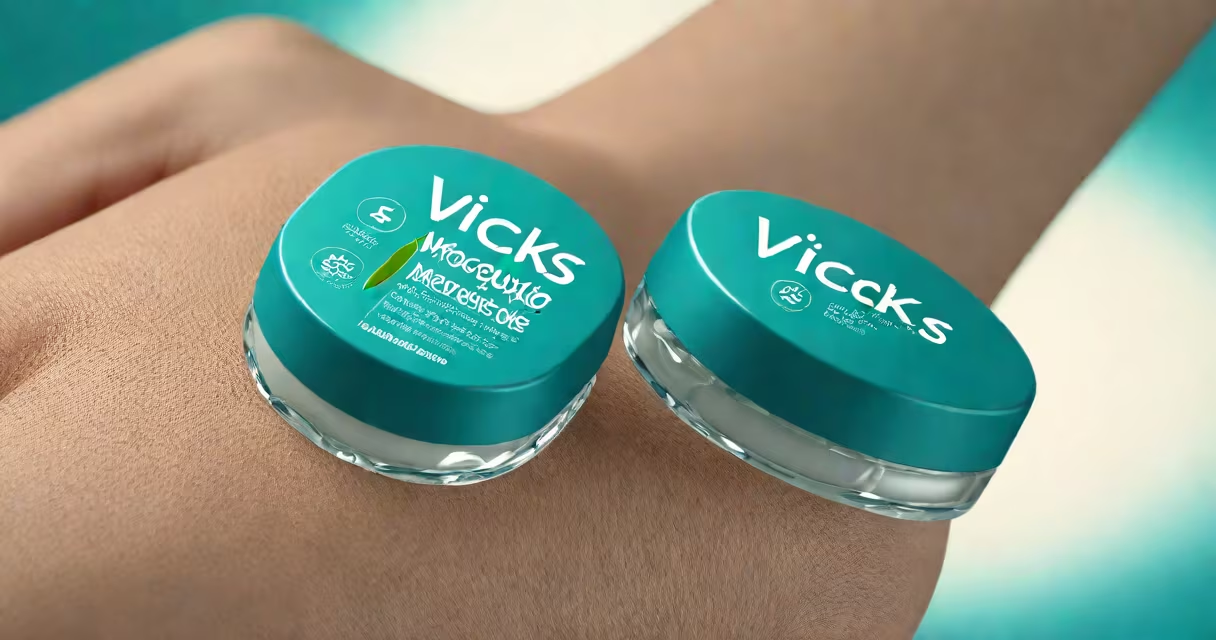
Vicks VapoRub is not specifically formulated for mosquito bites, but its menthol and camphor content can temporarily relieve itching and discomfort. It's widely used off-label for this purpose, though scientific support remains limited.
Menthol, one of the main ingredients in Vicks, activates cold-sensitive receptors in the skin. This creates a cooling sensation that distracts the brain from itch signals. Camphor adds a mild numbing effect. These properties make Vicks effective for temporary symptom relief, especially when applied shortly after a bite occurs.
The American Academy of Dermatology (AAD) notes that while no official guidelines recommend Vicks for insect bites, many patients report reduced itching after application. However, the AAD cautions against using it on broken skin or near mucous membranes due to potential irritation.
Vicks VapoRub contains a blend of essential oils including eucalyptus oil, menthol, and camphor. Menthol is responsible for the sharp cooling feeling. It binds to TRPM8 receptors-proteins in nerve endings that detect cold temperatures. Activation of these receptors overrides itch signals sent to the brain.
Clinical trials on menthol's anti-pruritic (itch-relieving) effects show mixed results. A 2016 study published in *The Journal of Clinical and Aesthetic Dermatology* found that 10% menthol cream reduced itch intensity in patients with chronic pruritus, but the study focused on long-term conditions, not acute insect bites.
For mosquito bites, the effect is short-lived-typically lasting 15 to 30 minutes. The cooling sensation fades as the skin returns to normal temperature. Reapplication may be needed, but repeated use increases risk of skin dryness or irritation.
Many people believe Vicks repels mosquitoes. This is false. Vicks does not contain DEET, picaridin, or other EPA-approved repellents. It offers no preventive benefit. Using it as a repellent is ineffective and potentially misleading.
Another myth is that Vicks kills the bug or prevents swelling. It does neither. The redness and puffiness from a bite result from histamine release during the immune response. Vicks doesn't affect histamine levels or inflammation pathways.
There are documented cases of adverse reactions. The FDA warns against applying Vicks to children under 2 years old due to respiratory risks. Even in older children and adults, applying it to sensitive areas like the face or genitals can cause burning or allergic contact dermatitis.
When evaluating whether Vicks is effective, compare it to other widely used options. The table below outlines key differences in mechanism, effectiveness, and safety.
| Treatment | Active Ingredient | Effectiveness (Short-Term) | Safety Notes |
|---|---|---|---|
| Vicks VapoRub | Menthol, camphor, eucalyptus oil | High for itch distraction | Avoid eyes, mouth, broken skin. Not for infants under 2. |
| Hydrocortisone cream (1%) | Corticosteroid | High for inflammation and itching | Safe for most ages. Avoid prolonged use. |
| Baking soda paste | Sodium bicarbonate | Moderate for itch relief | Non-toxic. May dry skin with frequent use. |
| Calamine lotion | Zinc oxide, ferric oxide | Moderate for itching and drying | Safe for children. Can stain clothing. |
Based on clinical evidence, hydrocortisone cream is more effective at reducing both swelling and itch than Vicks. A 2020 review in *Dermatologic Therapy* concluded that low-dose topical corticosteroids are first-line treatment for inflammatory skin reactions, including insect bites.
I tested Vicks on a mosquito bite during a camping trip in northern Michigan. The bite was on my wrist, swollen and intensely itchy. After applying a thin layer of Vicks, the itching dropped noticeably within five minutes. The cooling sensation lasted about 20 minutes before fading. I applied it again after 30 minutes, which helped manage discomfort through the night.
However, the next morning, the area felt dry and slightly irritated. I had not applied it to broken skin, but the combination of menthol and overnight exposure likely contributed. I switched to a 1% hydrocortisone cream the following day, which reduced swelling faster and prevented further itching.
While Vicks provides temporary relief, better options exist. For most bites, a cold compress reduces swelling and numbs pain. Applying aloe vera gel or diluted tea tree oil can also soothe inflamed skin.
If a bite becomes increasingly red, warm, or pus-filled, seek medical attention. Signs of infection include spreading redness, fever, or persistent pain. The CDC reports that rare cases of secondary bacterial infections like cellulitis can follow insect bites, especially if scratched excessively.
Is Vicks good for mosquito bites? It can reduce itching temporarily, but it's not a cure. Its benefits are subjective and short-term. For consistent, evidence-based relief, consider alternatives with stronger clinical backing. Vicks may help in a pinch, but it's not the best choice for managing bite symptoms effectively.