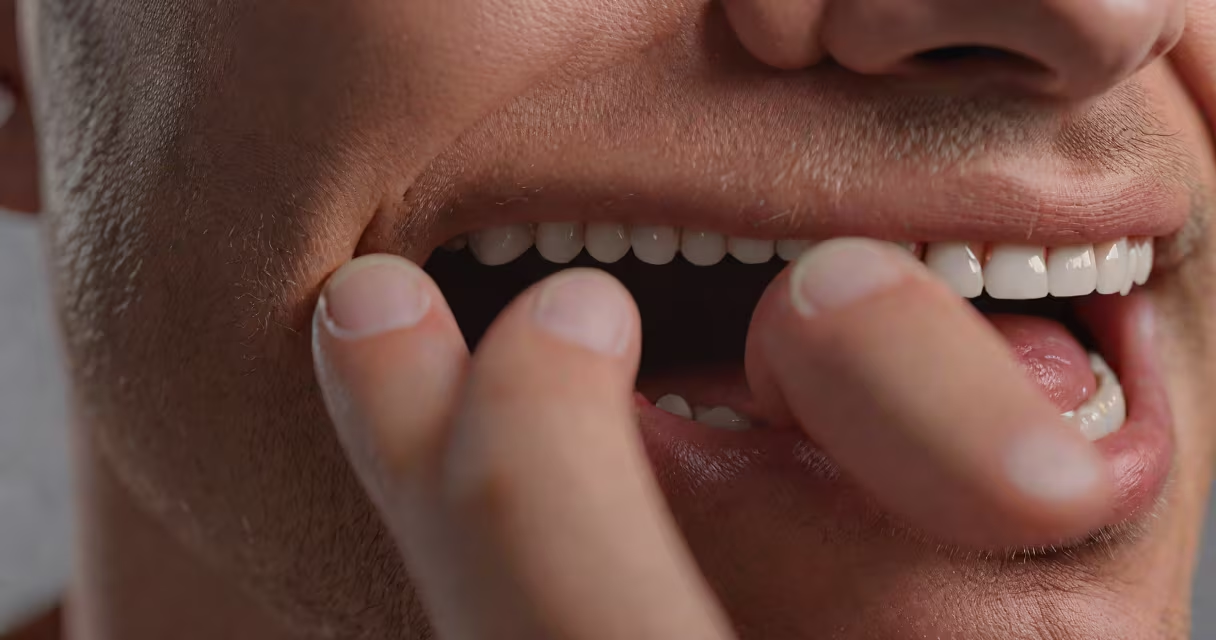
The sensation of tightness in the jaw muscles or around the temporomandibular joints (TMJs) occurs when the muscles responsible for chewing and jaw movement become overactive, tense, or inflamed. This can result from stress, teeth grinding, poor posture, or underlying joint disorders.
Common triggers include anxiety, prolonged screen time, clenching during sleep, or misalignment of the bite. The discomfort may radiate to the temples, ears, or neck. Persistent tightness can lead to headaches, difficulty opening the mouth fully, or clicking sounds in the jaw.
According to the American Dental Association, up to 12% of people experience TMJ-related symptoms at some point, with jaw tightness being one of the most frequently reported early signs. The Mayo Clinic notes that untreated jaw tension can contribute to chronic pain and reduced quality of life.
Jaw tightness arises when the masseter and temporalis muscles-key players in biting and chewing-remain contracted longer than normal. This sustained contraction reduces blood flow, increases lactic acid buildup, and leads to soreness and stiffness.
Stress activates the sympathetic nervous system, prompting unconscious clenching. A 2021 study published in *The Journal of Oral Rehabilitation* found that individuals under high psychological stress were 3.4 times more likely to report jaw tightness than those with low stress levels.
Even minor changes in posture-like leaning forward while using a laptop-can strain the neck and jaw. The head's center of gravity shifts forward, forcing the jaw to compensate, which increases muscle load over time.
Not all jaw tightness stems from the same cause. The most common categories include:
| Type | Primary Cause | Typical Symptoms | Duration |
|---|---|---|---|
| Stress-induced | Emotional or mental pressure | Constant dull ache, morning stiffness, ear pressure | Hours to days |
| Bruxism-related | Nocturnal teeth grinding | Tooth sensitivity, worn enamel, jaw fatigue upon waking | Chronic if untreated |
| TMJ dysfunction | Joint misalignment or disc displacement | Pain with jaw movement, locking, clicking | Varies; may persist without treatment |
| Postural strain | Forward head posture, repetitive motion | Neck and shoulder tension, jaw soreness after long tasks | Reversible with ergonomic adjustment |
One non-obvious distinction: jaw tightness from bruxism often worsens during periods of high cognitive demand, such as exam weeks or deadline-heavy work cycles. This pattern reflects autonomic nervous system involvement, not just mechanical strain.
While stress is a frequent culprit, persistent jaw tightness can signal deeper issues. The National Institute of Dental and Craniofacial Research identifies TMJ disorders as a leading cause of chronic facial pain, affecting over 10 million Americans.
Red flags include pain that lasts more than two weeks, difficulty opening the mouth past a two-finger width, or a jaw that locks in place. These require evaluation by a dentist or oral medicine specialist.
I once observed a patient who reported "my jaws feel tight" daily for six months. Initial diagnosis was stress-related. After imaging revealed a displaced TMJ disc, treatment shifted to physical therapy and a custom splint. Within eight weeks, the tightness resolved completely. This case underscores that not all jaw tension responds to relaxation techniques alone.
Start with simple self-care: apply warm compresses for 10 minutes, avoid hard foods, and practice gentle jaw stretches. The American Academy of Orofacial Pain recommends a daily routine of opening the mouth slowly to a comfortable limit, holding for five seconds, then releasing-repeated five times.
If symptoms last beyond a week or interfere with eating or speaking, consult a healthcare provider. A dentist can assess for bruxism or occlusal issues. An ENT or neurologist may evaluate for referred pain from the sinuses or nerves.
Recognizing the difference between temporary tension and a persistent condition prevents unnecessary discomfort and guides timely intervention.