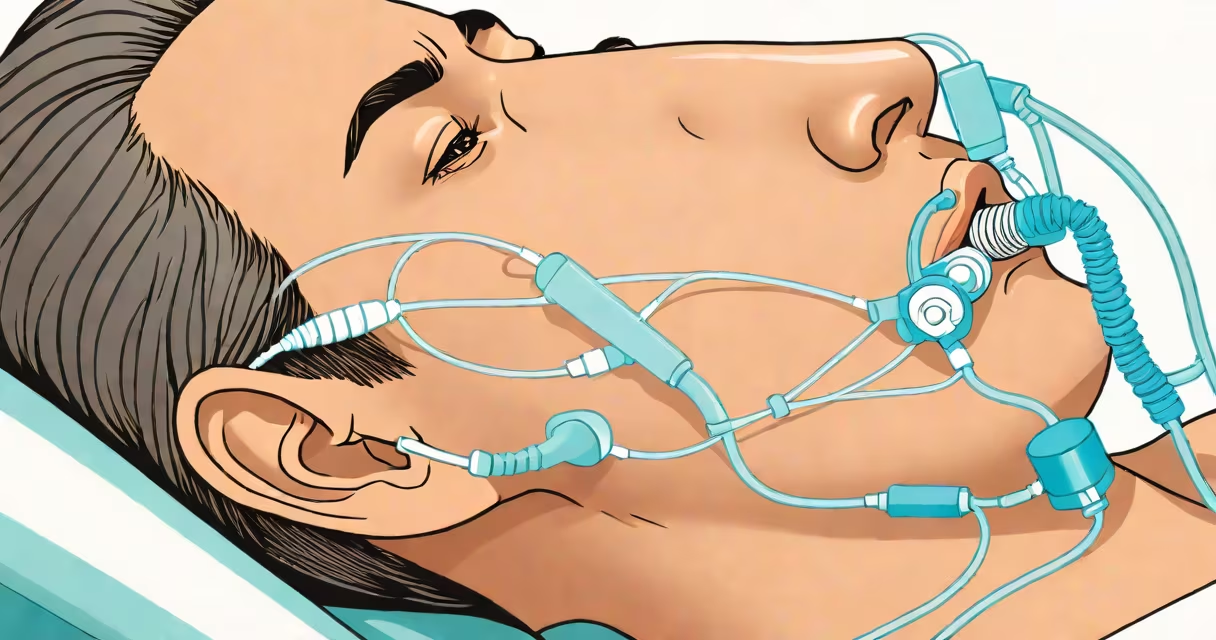
Nasal cannula oxygen delivers supplemental oxygen via two prongs inserted into the nostrils, typically used to treat low blood oxygen levels in patients with chronic obstructive pulmonary disease (COPD), heart failure, or post-surgical recovery. It provides a continuous flow of oxygen at controlled concentrations, usually between 24% and 40%, depending on the device settings.
The system consists of a flexible tube connected to an oxygen source-such as a compressed gas cylinder, liquid oxygen tank, or a home oxygen concentrator. The two prongs rest inside the nasal passages, allowing oxygen to enter the airway directly. Flow rates are measured in liters per minute (LPM), with typical prescriptions ranging from 1 to 6 LPM, though higher flows may be used under medical supervision.
According to the American Thoracic Society, nasal cannulas are the most common method of long-term oxygen therapy (LTOT) for patients with stable hypoxemia. They are favored for their comfort, ease of use, and minimal interference with speech and eating compared to face masks.
Oxygen enters the body through the nasal mucosa, where it diffuses into the bloodstream across the alveolar-capillary membrane in the lungs. The goal is to maintain arterial oxygen saturation (SpO₂) above 90% in most patients, though targets may vary based on diagnosis.
Flow rate determines the fraction of inspired oxygen (FiO₂). At 2 LPM, FiO₂ is approximately 28%; at 4 LPM, it reaches 32%. These values are estimates-actual FiO₂ depends on breathing pattern, tidal volume, and nasal resistance. A patient breathing rapidly or shallowly may not achieve optimal oxygenation despite correct flow settings.
For example, a 72-year-old man with COPD has a resting SpO₂ of 86%. His physician prescribes 2 LPM nasal cannula oxygen. After 15 minutes, his SpO₂ rises to 92%. This indicates the intervention is effective. He continues using it during sleep and while walking, improving endurance and reducing breathlessness.
There are two primary types of oxygen delivery systems used with nasal cannulas:
| Type | Flow Range | Common Use Cases | Limitations |
|---|---|---|---|
| Standard nasal cannula | 1-6 LPM | Mild to moderate hypoxia, home care | FiO₂ varies with breathing pattern; less efficient at high flows |
| High-flow nasal cannula (HFNC) | 20-60 LPM | Acute respiratory failure, post-intubation support | Requires specialized equipment; not standard in all clinics |
Standard nasal cannulas are used in outpatient settings and at home. HFNC systems deliver heated, humidified oxygen at higher flow rates, reducing work of breathing and improving oxygenation in critically ill patients. A 2021 study in *Critical Care Medicine* found HFNC reduced intubation rates by 30% in patients with acute hypoxemic respiratory failure compared to conventional oxygen therapy.
Home oxygen concentrators are electric devices that filter room air, remove nitrogen, and deliver concentrated oxygen. They are powered by household current and are ideal for long-term use. Portable models allow mobility, though battery life limits duration-typically 2 to 4 hours on a single charge.
Nasal cannula oxygen is prescribed for conditions involving impaired gas exchange or increased metabolic demand. Common indications include:
A 65-year-old woman with interstitial lung disease uses nasal cannula oxygen at 3 LPM during the day and 2 LPM at night. Her oxygen saturation remains above 90% throughout the day. She reports improved energy and ability to walk without stopping-a measurable improvement in quality of life.
One overlooked point: patients often underestimate how much oxygen they need during activity. A 2019 study in *Respiratory Care* showed that 45% of home oxygen users had desaturation during walking, even when stable at rest. This underscores the need for pulse oximetry monitoring during exertion.
Some assume nasal cannula oxygen is safe to use without prescription. That's incorrect. High-flow oxygen can suppress the hypoxic drive in patients with chronic hypercapnia, such as those with advanced COPD. This can lead to respiratory acidosis and worsening confusion.
Another misconception: "More oxygen is better." In reality, excessive oxygen can cause oxidative stress and worsen outcomes in certain conditions. The National Heart, Lung, and Blood Institute recommends targeting SpO₂ between 88% and 92% in COPD patients to avoid hyperoxia-related complications.
I once observed a patient with pneumonia using 6 LPM nasal cannula at home. His SpO₂ was 99%, but he developed confusion and drowsiness. Arterial blood gas testing revealed elevated CO₂. Reducing flow to 2 LPM corrected his mental status. This illustrates why titration matters.
Nasal cannula oxygen differs from other devices in effectiveness, comfort, and application:
| Method | FiO₂ Range | Comfort Level | Best For |
|---|---|---|---|
| Nasal cannula | 24%-40% | High (non-invasive) | Mild to moderate hypoxia, long-term use |
| Simple face mask | 24%-50% | Moderate (blocks mouth, hot sensation) | Short-term acute care |
| Non-rebreather mask | 60%-100% | Low (tight fit, anxiety-inducing) | Emergency hypoxia, pre-intubation |
Face masks cover the nose and mouth, limiting speech and eating. Non-rebreathers require a reservoir bag and are reserved for emergencies due to risk of rebreathing carbon dioxide.
For patients requiring precise control of oxygen delivery, especially in intensive care, ventilators or high-frequency oscillatory ventilation may be necessary. Nasal cannula oxygen is not suitable for these cases.
Always secure the tubing to prevent dislodgement. Use a nasal saline spray to prevent drying and crusting in the nostrils-common with prolonged use. Clean the cannula daily with mild soap and water to reduce infection risk.
Fire safety is critical. Oxygen supports combustion. Patients must avoid smoking, open flames, and flammable products while using oxygen. A 2020 report from the U.S. Consumer Product Safety Commission linked 13% of home oxygen-related fires to smoking near equipment.
If you're using a home oxygen concentrator, ensure it's plugged into a surge protector and maintained according to manufacturer guidelines. Check the filter monthly and replace every 3 months.
Nasal cannula oxygen is a foundational tool in managing respiratory insufficiency. Its simplicity, portability, and proven efficacy make it the go-to option for many patients. When used correctly, it improves survival, reduces hospitalizations, and enhances daily function.