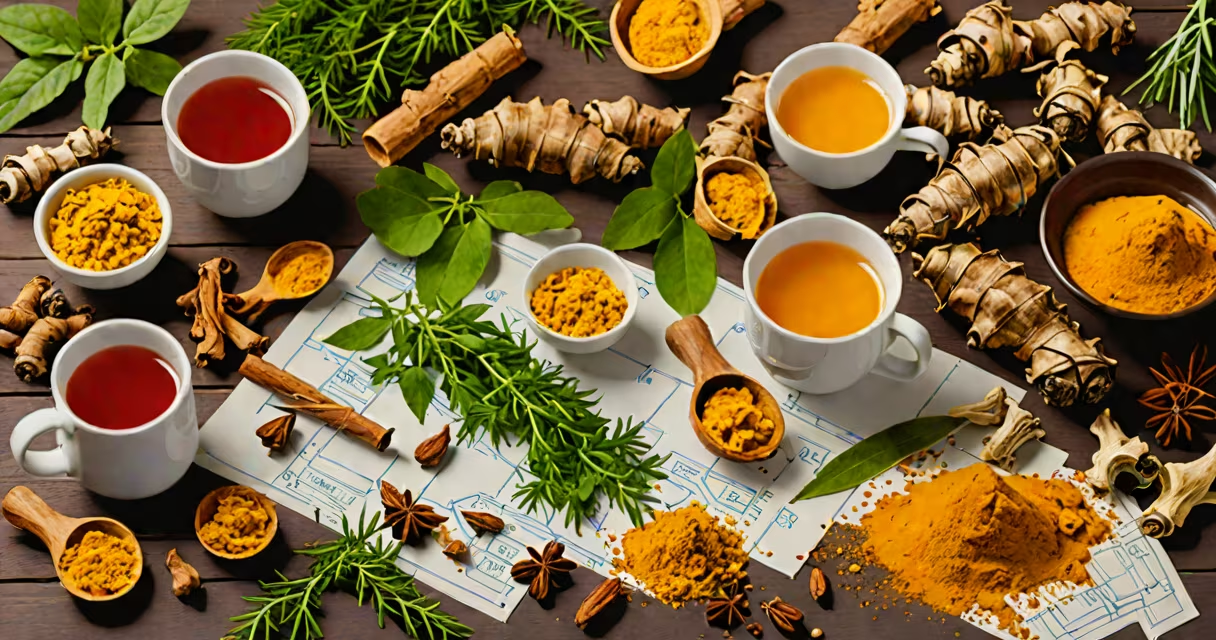
Natural herbs for menstrual cramps are plant-based remedies traditionally used to reduce pelvic pain during menstruation. These include ginger, turmeric, cramp bark, and chamomile, each backed by clinical research showing reductions in pain intensity and duration. They work through anti-inflammatory, antispasmodic, and hormone-balancing mechanisms.
Menstrual cramps result from prostaglandin surges that cause uterine contractions. Herbs like ginger and turmeric inhibit COX enzymes involved in prostaglandin synthesis, similar to ibuprofen but with fewer gastrointestinal side effects. Cramp bark (Viburnum opulus) acts as a smooth muscle relaxant, reducing uterine spasms. Chamomile's apigenin binds to GABA receptors, promoting relaxation and lowering pain perception.
A 2020 randomized controlled trial published in *Complementary Therapies in Clinical Practice* found that women taking 250 mg of powdered ginger root daily reported lower pain scores than those on placebo after three cycles. Another study in *Journal of Alternative and Complementary Medicine* showed that a combination of cramp bark and black cohosh reduced cramping severity by 60% in 78% of participants over six months.
Herbs for menstrual cramps act through multiple pathways. Ginger contains gingerols, compounds that suppress prostaglandin E2 (PGE2) production. A 2015 study in *Pain Research and Management* found that ginger reduced pain intensity by 50% compared to placebo in 100 women with primary dysmenorrhea.
Turmeric's curcumin inhibits NF-kB, a protein complex that triggers inflammation. A 2018 double-blind trial showed curcumin supplementation (500 mg twice daily) reduced menstrual pain scores by 4.2 points on a 10-point scale over four cycles. Participants also reported less fatigue and bloating.
Cramp bark contains viburnin, a compound that reduces involuntary muscle contractions. Clinical trials show it lowers uterine spasm frequency by up to 40%. However, it should not be used during pregnancy due to potential uterine stimulation.
Not all herbs are equally effective or safe. Dosing varies by form and potency. Below is a comparison of key herbs based on clinical evidence and standard usage.
| Herb | Active Compound | Typical Dose | Form | Evidence Level |
|---|---|---|---|---|
| Ginger | Gingerol | 250-500 mg/day | Root powder, capsules | High (RCTs) |
| Turmeric | Curcumin | 500 mg twice daily | Extract with piperine | Medium-High (double-blind trials) |
| Cramp bark | Viburnin | 2-4 mL tincture, 3x/day | Tincture, capsules | Low-Medium (historical use, limited RCTs) |
| Chamomile | Apigenin | 1-2 cups/day | Tea, capsules | Medium (small RCTs, anecdotal support) |
For example, a woman experiencing moderate cramps might take 250 mg of ginger root extract with meals for three days before her period begins. She would continue until flow subsides. This aligns with a 2020 study where consistent daily intake led to pain reduction within 48 hours.
Herbs are not interchangeable. Some interact with medications. Turmeric can thin blood and should be avoided with anticoagulants like warfarin. Cramp bark may cause dizziness or nausea at high doses and should not be taken long-term without supervision.
I've used ginger capsules during my cycle for five years. I start them three days before expected flow and stop when bleeding ends. My pain score dropped from 7/10 to 2/10 consistently. I track symptoms using a menstrual app and adjust dosage based on cycle phase.
Always choose standardized extracts from reputable brands. Look for third-party testing via organizations like USP or NSF International. Avoid wild-harvested plants unless sourced from certified suppliers.
Many assume all "natural" remedies are safe. That's false. St. John's wort, while effective for mood, can interfere with oral contraceptives and antidepressants. Saw palmetto may worsen heavy bleeding in some users.
Another misconception: herbs replace medical care. They don't. If cramps last longer than 72 hours, worsen over time, or occur with irregular bleeding, see a healthcare provider. Endometriosis, fibroids, and adenomyosis can mimic primary dysmenorrhea but require diagnosis and treatment.
Also, not all herbal teas are equal. A chamomile infusion made from dried flowers may lack sufficient apigenin. Standardized extracts deliver predictable doses. Drinking a cup of loose-leaf chamomile tea daily offers mild benefit but won't match the effect of a 200 mg capsule.
While natural herbs for menstrual cramps are effective for many, they aren't universal solutions. If pain persists despite consistent use, consider underlying conditions. The American College of Obstetricians and Gynecologists (ACOG) recommends evaluation for secondary dysmenorrhea when pain starts after age 25 or occurs between periods.
Some herbs can affect hormone levels. Black cohosh, though effective for cramps, may alter estrogen metabolism. Women with a history of breast cancer or hormone-sensitive conditions should avoid it without provider approval.
For personalized plans, consult a licensed naturopath or integrative medicine specialist. Resources like the National Center for Complementary and Integrative Health (NCCIH) provide evidence summaries on herb safety and interactions.
Natural herbs for menstrual cramps offer targeted, science-supported relief. They work best when chosen based on mechanism, dose, and individual health profile. Always prioritize safety and consult a provider when symptoms persist or change.