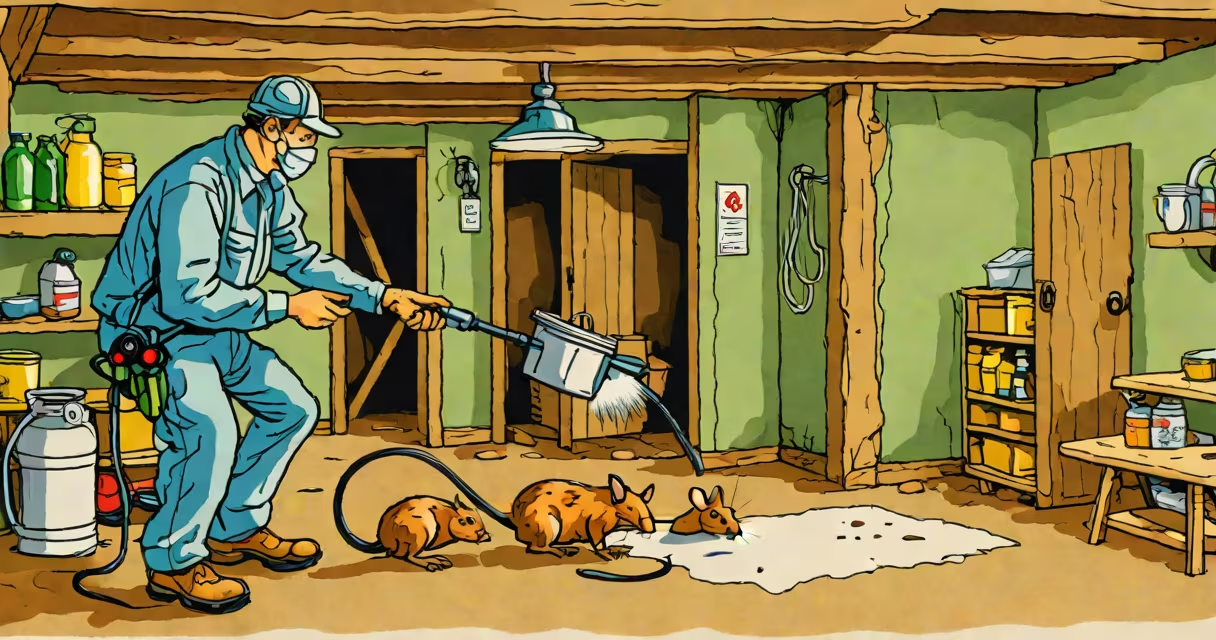
Pest control specialists are licensed professionals who diagnose, treat, and prevent infestations of insects, rodents, and other unwanted organisms in residential, commercial, and industrial environments. They apply scientific knowledge of pest behavior, chemical safety, and environmental impact to deliver targeted, long-term solutions.
These experts assess infestation levels through site inspections, identify species based on droppings, damage patterns, and entry points, then deploy tailored strategies using integrated pest management (IPM) principles. Their work prevents structural damage, reduces health risks like foodborne illness or allergic reactions, and ensures compliance with local regulations.
Unlike general cleaning or over-the-counter sprays, pest control specialists use calibrated equipment, restricted-use pesticides when necessary, and non-chemical alternatives such as exclusion techniques and biological controls. They maintain records of treatments and follow up to confirm eradication.
Specialists begin with a thorough inspection. They examine basements, attics, kitchens, and crawl spaces for signs of pests-frass from carpenter ants, gnaw marks from rodents, or webbing from spiders. They document entry points, moisture sources, and clutter levels that contribute to infestations.
After identifying the pest species and assessing the severity, they develop a treatment plan. This may include sealing gaps with steel wool or caulk, installing door sweeps, removing food sources, and applying targeted baits or sprays. For bed bugs, they often use heat treatment-raising room temperatures to 118°F (48°C) for several hours to kill eggs and adults.
Follow-up visits are standard. A single treatment rarely eliminates all pests. Specialists return in 7-14 days to check traps, reapply materials, and adjust tactics. They also educate clients on prevention: storing food in sealed containers, fixing leaky faucets, and reducing outdoor lighting that attracts insects.
Not all pest control specialists handle the same threats. Some specialize in structural pests, others in public health vectors or agricultural pests. The table below outlines common specializations and their typical applications.
| Type | Primary Pests | Common Settings | Key Tools/Methods |
|---|---|---|---|
| Residential | Ants, roaches, mice, termites | Homes, apartments | Bait stations, gel baits, exclusion repairs |
| Commercial | Flies, stored product pests, silverfish | Restaurants, warehouses, offices | UV light traps, pheromone lures, sanitation audits |
| Structural | Termites, carpenter ants, wood-boring beetles | Older homes, buildings with wooden framing | Soil treatments, baiting systems, moisture monitoring |
| Public Health | Bed bugs, mosquitoes, fleas | Hotels, schools, hospitals | Heat therapy, fogging, larvicides in standing water |
For example, a residential specialist treating a German cockroach infestation in a New York City apartment complex used a combination of gel bait applied behind kitchen appliances and sticky traps near plumbing lines. After two weeks, trap captures dropped by 92%. The client reported no live roaches for 60 days post-treatment.
Many homeowners attempt to manage pests with store-bought sprays or online videos. These approaches often fail because they don't address root causes. A spray kills visible insects but ignores hidden colonies, nesting sites, or entry points.
One study published in the Journal of Economic Entomology found that 68% of DIY pest treatments failed within 30 days due to improper application timing, incorrect product selection, or lack of follow-up. In contrast, IPM-based treatments by certified specialists achieved 89% success rates over six months.
A key difference lies in certification. In the U.S., most states require pest control specialists to hold a license issued by the state's department of agriculture or environmental protection agency. This requires passing written exams on pesticide safety, biology of pests, and legal responsibilities. The National Pest Management Association (NPMA) offers additional credentials like the Certified Technician (CT) designation, which includes training in risk assessment and client communication.
When I inspected a historic home in Portland, Oregon, with recurring mouse issues, I found that previous attempts had only blocked visible holes. The real problem was a gap under the foundation wall, 12 inches wide and 4 feet long. Sealing it required excavation and installing a metal mesh barrier. Only a trained specialist would recognize this and have the tools to fix it properly.
People often assume that pest control specialists rely heavily on chemicals. While pesticides are part of the toolkit, modern practices emphasize prevention and minimal exposure. The NPMA reports that 75% of treatments now use non-chemical methods first, including habitat modification and physical barriers.
Another myth is that pest control is seasonal. In reality, many pests thrive indoors year-round. Cockroaches reproduce rapidly in warm kitchens; rodents seek shelter during winter. Effective programs are ongoing, not reactive.
Some confuse pest control specialists with animal removal services. The latter focus on relocating wildlife like raccoons or squirrels. Pest control specialists deal with arthropods and small mammals that pose health or property risks. Removing a raccoon from a chimney is animal control; eliminating the ants drawn to spilled syrup in the pantry is pest control.
Finally, not all pest control companies are equal. Look for firms that provide a written service agreement, list the products used, and offer guarantees. Reputable companies disclose whether they use EPA-registered pesticides and explain how they minimize exposure to children and pets.
Infestations can lead to costly repairs, health issues, and legal liability. A single termite colony can cause $3,000-$5,000 in structural damage annually. Bed bug infestations in rental units can result in eviction lawsuits if not resolved promptly.
Professional intervention reduces risk. According to the Centers for Disease Control and Prevention (CDC), pests transmit diseases like salmonella, hantavirus, and Lyme disease. Early detection by a specialist lowers exposure chances.
When choosing a provider, verify licensing, ask for references, and request a detailed report after the initial visit. Avoid companies offering "one-time" treatments with no follow-up. A true pest control specialist treats infestations as ongoing problems requiring continuous monitoring.
Understanding the role of pest control specialists clarifies why they're essential in maintaining safe, healthy living and working environments. Their expertise goes beyond spraying-it involves science, regulation, and long-term planning. For those dealing with persistent or recurring pests, seeking out a qualified specialist is not optional. It's a necessity.