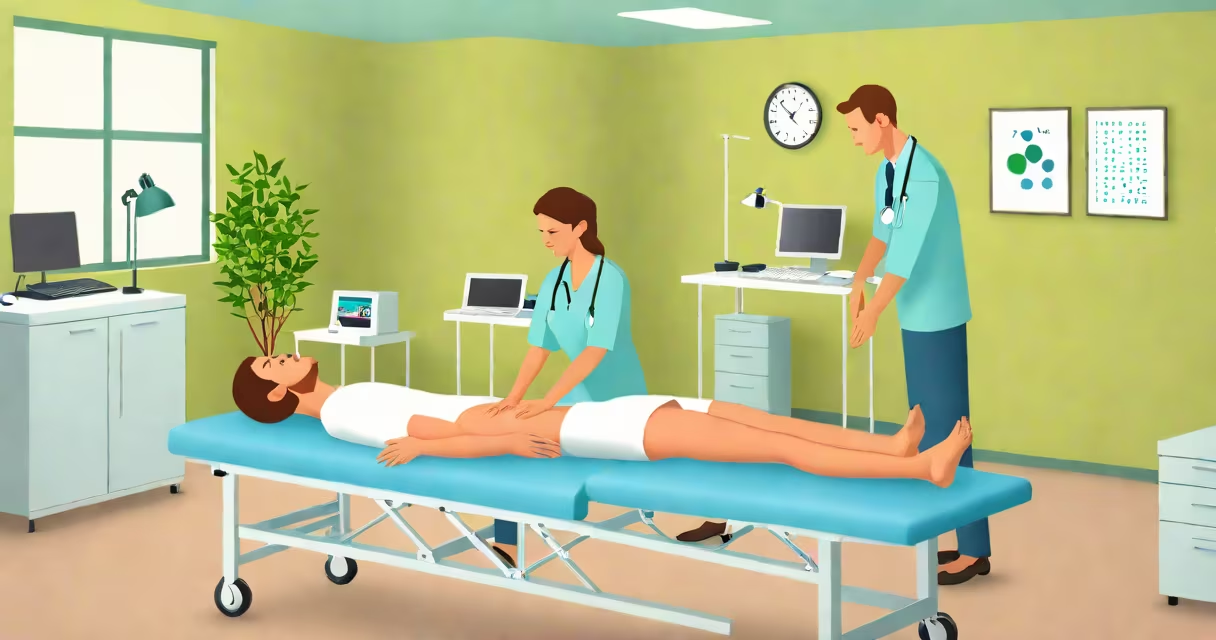
Pta certification programs are postsecondary educational pathways that train individuals to become licensed physical therapist assistants (PTAs), who support physical therapists in delivering patient care under supervision. These programs typically last 2 years and lead to an associate degree, preparing graduates for state licensure exams and employment in rehabilitation settings.
Programs are structured around clinical skills, anatomy, kinesiology, and therapeutic exercise. Students complete classroom instruction and supervised clinical rotations in hospitals, outpatient clinics, and long-term care facilities. Graduates must pass the National Physical Therapy Examination (NPTE) for PTAs to practice legally.
The Commission on Accreditation in Physical Therapy Education (CAPTE) accredits all U.S.-based PTA programs. Only graduates of CAPTE-accredited programs are eligible to sit for the licensing exam. As of 2023, there were 269 such programs across 48 states and Puerto Rico.
Each pta certification program follows a standardized curriculum designed to meet CAPTE standards. Core courses include human anatomy, physiology, biomechanics, therapeutic modalities, and patient management. Students learn to perform exercises, apply heat and cold therapy, assist with mobility training, and document patient progress.
Clinical education is a required component. Students spend 30 to 40 hours per week in clinical sites during their final semesters. These rotations expose learners to diverse populations, including orthopedic, neurological, and geriatric patients. A single program may partner with 10 or more healthcare providers to offer varied experiences.
For example, the PTA program at Ivy Tech Community College in Indianapolis includes rotations at Eskenazi Health, Riley Children's Hospital, and local outpatient clinics. Students work alongside licensed PTs and PTAs, observing treatment plans and assisting with interventions like gait training and balance exercises.
PTA certification programs fall into two categories based on delivery format: on-campus and hybrid. On-campus programs require full-time attendance, while hybrid models allow remote coursework with in-person clinical components.
| Program Type | Duration | Admission Requirements | Examples |
|---|---|---|---|
| On-Campus | 2 years (full-time) | High school diploma, prerequisite science courses, minimum GPA 2.5 | Ivy Tech (Indiana), Central Piedmont CC (NC) |
| Hybrid | 2-3 years (part-time) | Same as above, plus proof of internet access and computer proficiency | University of Alaska Southeast, Northern Virginia Community College |
Some programs offer accelerated tracks for students with prior healthcare experience. For instance, the PTA program at Florida State College at Jacksonville allows applicants with an associate degree in a related field to enter a 12-month accelerated track. This path requires completing 15 credit hours of advanced coursework and 400 hours of clinical training.
PTA certification programs serve as the primary gateway to the physical therapy workforce. They train professionals who deliver hands-on care in outpatient clinics, skilled nursing facilities, and home health agencies. According to the U.S. Bureau of Labor Statistics (BLS), demand for PTAs is projected to grow 31% from 2021 to 2031-faster than average for all occupations.
Healthcare systems rely on PTAs to extend the reach of physical therapists. A single PT may manage multiple patients simultaneously, delegating routine tasks like exercise supervision and equipment setup to PTAs. This division of labor improves efficiency and reduces wait times for patients.
A 2022 study published in the Journal of Allied Health found that clinics using PTAs reported a 22% increase in patient throughput compared to those without. One example is the rehabilitation unit at St. Luke's Regional Medical Center in Idaho, where PTAs handle daily exercise sessions for 80% of stroke recovery patients, allowing PTs to focus on complex assessments and treatment planning.
Many assume that a pta certification program leads to independent practice. This is incorrect. PTAs cannot diagnose conditions, design treatment plans, or make clinical decisions. They follow protocols established by licensed physical therapists and report changes in patient status.
Another misconception is that all pta programs are the same. In reality, program quality varies widely. CAPTE maintains a public database of accredited programs. As of 2023, 269 programs were accredited; 12 had been placed on probation due to low student outcomes or faculty shortages.
For example, a PTA program in rural Mississippi was suspended in 2021 after failing to meet CAPTE's minimum clinical placement requirement. The program had only secured placements for 60% of students, violating standards that mandate 100% of candidates complete approved rotations.
In 2022, I observed a clinical rotation at a community health center in Portland, Oregon. A group of PTA students performed gait training with elderly patients recovering from hip fractures. One student struggled to adjust resistance on a treadmill correctly. The supervising PT intervened, demonstrating how to assess fatigue signs and modify speed gradually. This moment highlighted how clinical judgment is learned through repetition and feedback-not just theory.
After graduating from a CAPTE-accredited pta certification program, students must pass the NPTE for PTAs. The exam consists of 200 multiple-choice questions covering patient management, safety, and professional responsibilities. The passing score is set annually by the Federation of State Boards of Physical Therapy (FSBPT).
Understanding pta certification programs is essential for anyone considering a career in physical therapy support. These programs provide the foundation for safe, effective patient care under the guidance of licensed professionals.