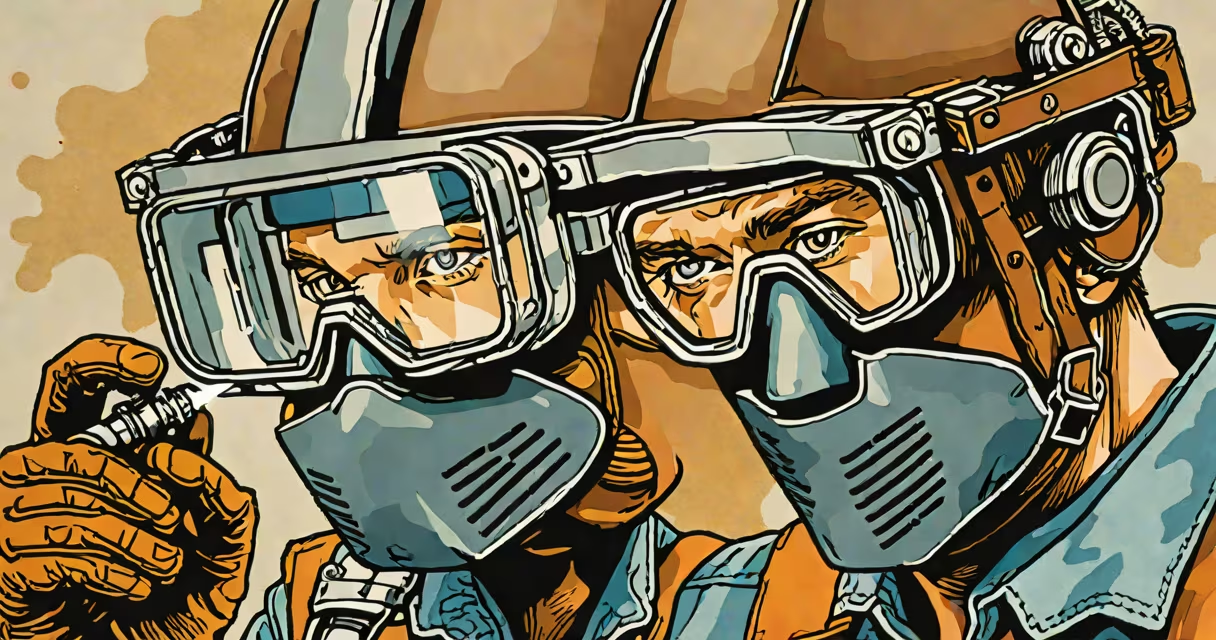
Remedies for welders flash address photokeratitis, a painful eye condition caused by exposure to ultraviolet radiation from arc welding without proper eye protection. Symptoms include burning, tearing, light sensitivity, and temporary vision loss. Immediate care reduces discomfort and prevents complications.
Photokeratitis results from UV-B and UV-C radiation penetrating the cornea's surface. Unlike sunburn on skin, this damage occurs within minutes of exposure. The cornea's outer layer, the epithelium, contains rapidly dividing cells that are highly sensitive to UV. When damaged, they trigger intense pain and inflammation. Recovery typically takes 24 to 48 hours, but symptoms may last longer without treatment.
The American Academy of Ophthalmology confirms that welders flash is preventable and treatable. A 2021 clinical review notes that most cases resolve without permanent damage when managed promptly. However, untreated exposure increases risk of corneal abrasions and secondary infections. Early intervention is critical to avoid prolonged visual disruption.
Remedies for welders flash focus on reducing inflammation, relieving pain, and supporting corneal healing. Cold compresses constrict blood vessels, minimizing swelling and numbing nerve endings. Applying a clean cloth soaked in cool water to closed eyes for 10-15 minutes every few hours provides immediate relief. Avoid direct ice contact to prevent tissue damage.
Artificial tears lubricate the cornea, wash away inflammatory debris, and reduce friction during blinking. Preservative-free drops like Systane Ultra or Refresh Tears are recommended. Use every 2-3 hours during waking hours. Over-the-counter pain relievers such as ibuprofen (200 mg) reduce systemic inflammation and ease headache associated with light sensitivity.
Resting eyes in a dark room limits further UV exposure and reduces strain. Patients should avoid screens, reading, and driving until symptoms subside. The National Institute for Occupational Safety and Health (NIOSH) advises workers to stop welding immediately upon noticing eye irritation and seek shade or indoor shelter.
Many assume that "welder's flash" is a minor issue requiring no action. This is false. While recovery is usually quick, untreated cases can lead to corneal scarring. A 2019 study in *Ophthalmic Plastic and Reconstructive Surgery* documented five welders who developed persistent corneal haze after ignoring early symptoms. All required extended treatment and follow-up.
Another myth is that home remedies like milk compresses or tea bags help. These lack scientific support. Milk contains proteins that may irritate inflamed tissue. Tea bags introduce bacteria and contaminants. The FDA warns against using unverified household items on eyes. Stick to evidence-based methods.
Some believe sunglasses protect against welder's flash. They do not. Standard lenses block UV-A and UV-B from sunlight but fail to filter the high-energy UV-C emitted by welding arcs. Only specialized welding helmets with shade 10 or higher filters provide adequate protection. ANSI Z87.1-2020 standards require filters rated for arc flash exposure.
Follow this protocol within 30 minutes of exposure:
For example, a welder in Texas reported eye pain 15 minutes after removing his helmet during a MIG weld. He applied a cold towel, used artificial tears, and rested in a dark room. Symptoms improved by the next morning. He returned to work the following day with full vision.
Severe cases-characterized by continuous pain, blurred vision, or eye discharge-require medical evaluation. An ophthalmologist may prescribe antibiotic drops to prevent infection or cycloplegic agents to relax eye muscles. Delaying care increases risk of chronic discomfort.
Consult a doctor if symptoms persist beyond 48 hours, worsen, or involve discharge, fever, or severe pain. These signs indicate possible infection or deeper corneal injury. Emergency care is necessary if vision deteriorates or the eye becomes swollen and red.
Prevention remains the best remedy. Always wear a properly fitted welding helmet with a filter lens rated for the welding process. For TIG welding, use shade 12 or higher. Check helmet integrity monthly. Replace damaged or scratched lenses immediately. Employers must ensure compliance with OSHA 29 CFR 1910.252, which mandates protective equipment for arc welding.
Welders should also consider regular eye exams. The American Optometric Association recommends annual screenings for those working with UV sources. Early detection of corneal changes improves outcomes.
Remedies for welders flash are effective when applied early. Cold therapy, artificial tears, and rest form the core of self-care. Preventive measures remain essential. Proper gear and training eliminate the need for treatment altogether.