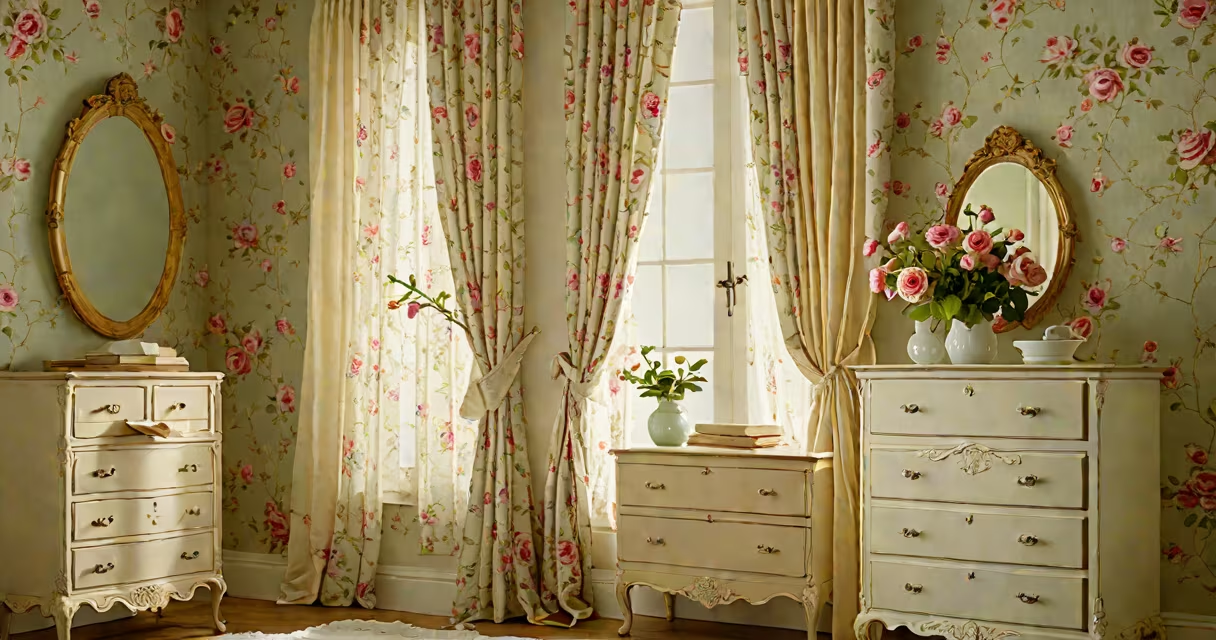
Shabby chic meaning describes a decorative style characterized by soft, muted colors, weathered finishes, and vintage or antique furnishings arranged to evoke a relaxed, romantic, and slightly worn aesthetic. It emerged in the 1980s as a reaction against sleek modernism, favoring comfort and nostalgia over perfection.
The term was popularized by British designer India Hicks in her 1987 book *The Shabby Chic*. She combined French country design with reclaimed materials, creating interiors that felt lived-in yet intentional. The style draws from 18th-century French country homes, where practicality led to layered paint, repaired furniture, and handmade textiles.
Shabby chic is not about decay-it's about deliberate aging. Pieces aren't damaged; they're treated to appear worn. A chair might have hand-sanded edges, a table may show subtle grain patterns beneath layers of whitewash. This intentional imperfection creates warmth and history, making spaces feel personal rather than showroom-perfect.
Shabby chic relies on visual texture and emotional resonance. It uses color palettes dominated by off-whites, pale blues, soft greens, and dusty rose. These tones mimic aged paint, sun-faded linens, and weathered wood. Materials include cotton, linen, burlap, and reclaimed wood-natural fibers that soften under time and use.
Furniture is often painted in chalky finishes. A common technique involves applying multiple thin coats of white or pastel paint, then sanding edges to expose the raw wood underneath. This creates a "distressed" effect without actual damage. The goal is to suggest years of gentle use, not neglect.
Textiles play a central role. Floral prints in faded hues cover slipcovers, curtains, and bedspreads. Linen and lace are layered intentionally-ruffles on a duvet, a crocheted throw draped over a sofa. These elements don't aim for uniformity; mismatched patterns and uneven seams are features, not flaws.
Shabby chic isn't monolithic. It varies by region, budget, and personal taste. The core elements remain consistent: softness, age, and domestic intimacy.
| Type | Characteristics | Example |
|---|---|---|
| French Country | White-washed wood, floral chintz, wrought iron accents | A dining table with a bleached oak top and chairs covered in faded blue gingham |
| Cottagecore | Handmade touches, wildflower motifs, rural symbolism | A kitchen with a repurposed wooden crate as a shelf, filled with dried herbs and mason jars |
| Modern Shabby | Minimalist lines with softened finishes, neutral palette | A low-profile sofa in ivory linen with a single vintage pillow featuring a hand-stitched daisy pattern |
One non-obvious distinction: shabby chic is not synonymous with "rustic." Rustic emphasizes raw, unrefined materials-exposed beams, thick planks, heavy tools. Shabby chic focuses on refinement through wear. A barn door might be used in both styles, but in shabby chic, it's painted a pale gray and hung with delicate brass hinges. In rustic, it remains dark, unfinished, and functional.
Shabby chic thrives in bedrooms, living rooms, and kitchens-spaces where people spend time relaxing. Its appeal lies in emotional comfort. Studies from the University of California, Berkeley, show that environments with visible signs of care and history reduce stress more effectively than sterile, new spaces. Shabby chic delivers that effect through sensory cues: soft textures, familiar patterns, and the scent of beeswax polish.
It's especially popular in rental properties and small homes. Because it uses affordable, secondhand, or DIY elements, it offers high visual impact with low cost. A $20 thrift-store frame, sanded and painted white, becomes a centerpiece when paired with a vintage mirror and a single candle.
One real-world example: a 1920s farmhouse in Vermont transformed into a boutique inn. The owners preserved original pine floors but added a hand-painted white dresser from a local flea market. They hung a patchwork quilt over a bed frame made from salvaged barn wood. The result-a guest room that feels timeless, inviting, and deeply personal-has been featured in *Architectural Digest* and booked out six months in advance.
Many confuse shabby chic with "boho" or "farmhouse" styles. While all three use natural materials and vintage pieces, their intentions differ. Boho prioritizes global artistry-macramé, Moroccan tiles, bold patterns. Farmhouse leans into utility: exposed beams, apron-front sinks, large butcher-block counters. Shabby chic centers on gentleness: softness in color, delicacy in form, and a sense of quiet endurance.
Another myth: shabby chic is outdated. On the contrary, it's experiencing a revival. Pinterest data from 2023 shows a 63% increase in searches for "shabby chic bedroom" compared to 2020. The rise of slow living and anti-consumerism movements has renewed interest in handmade, imperfect, and meaningful design.
I once spent a weekend restoring a 19th-century wardrobe for my sister's apartment. I stripped the original varnish, applied three coats of ivory-white paint, then sanded the corners and edges until they looked gently worn. I added a brass knob from a vintage hardware store. The piece now sits in her living room-no longer a relic, but a statement of quiet beauty. That's the heart of shabby chic meaning: turning the old into something tender.
Understanding shabby chic meaning helps distinguish it from similar aesthetics. It's not about looking tired-it's about feeling timeless. When you see a room with peeling paint, frayed curtains, and a wicker chair, ask: is it neglected or curated? In shabby chic, the answer is always curated.