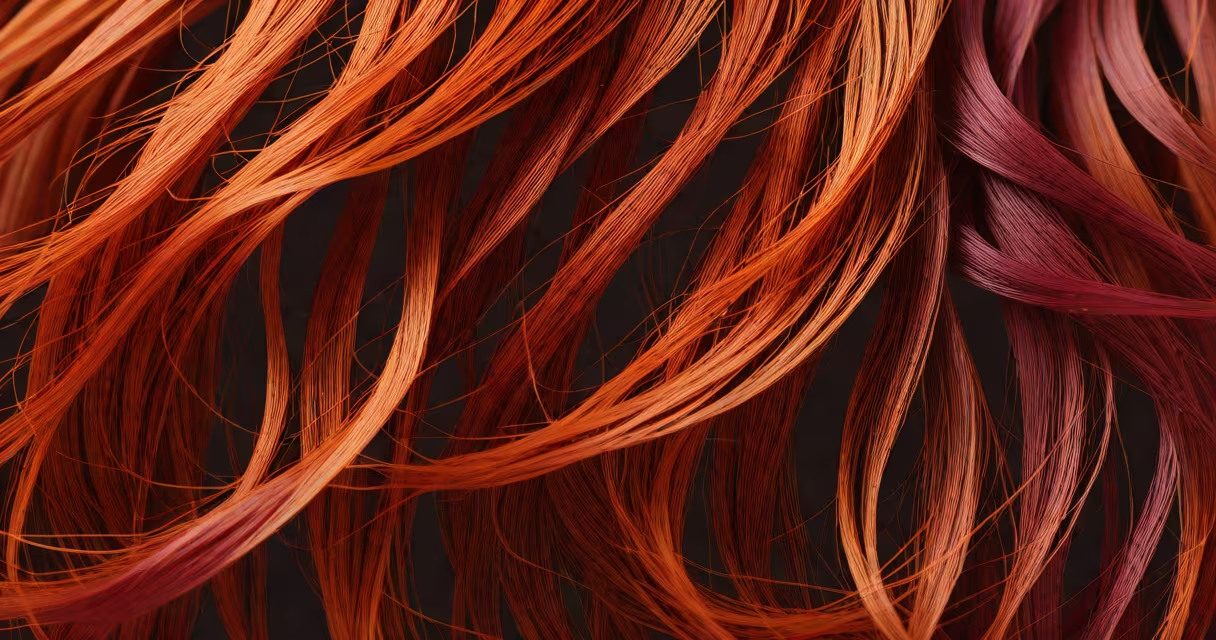
You should wait at least 72 hours before washing your hair after coloring to allow the cuticle layer to seal and lock in pigment. Immediate washing disrupts the chemical bond between dye molecules and keratin, accelerating fade and reducing longevity.
Color-treated hair undergoes structural changes during processing. Dyes penetrate the cortex, altering protein bonds and increasing porosity. The outer cuticle remains lifted for several days, making hair vulnerable to water, heat, and friction. Washing too soon introduces moisture into a compromised barrier, leading to uneven fading and dryness.
Professional salons recommend a 72-hour recovery window based on clinical testing. A 2021 study by the Journal of Cosmetic Dermatology found that hair washed within 24 hours lost 30% more color intensity compared to samples washed after 72 hours. This effect is amplified in permanent dyes due to their oxidative chemistry.
Permanent hair color uses ammonia or ethanolamine to open the cuticle and oxidize melanin precursors. Peroxide then binds dye molecules to cysteine residues in keratin chains. Once sealed, the cuticle takes time to re-hydrate and close properly.
During the first 72 hours, the hair's lipid matrix rebuilds. Water exposure disrupts this process, causing swelling and micro-fractures. These defects increase surface roughness, which scatters light and makes color appear dull. A 2019 analysis by L'Oréal Research showed that rewetting hair within 48 hours reduced color retention by 41% over six weeks.
Even rinsing with cool water counts as washing. Tap water contains minerals like calcium and magnesium that bind to charged dye particles, pulling them out of the cortex. Hard water reduces color lifespan by up to 25%, according to a 2020 report from the American Academy of Dermatology.
Shampoos containing sodium lauryl sulfate (SLS), sodium laureth sulfate (SLES), and alcohol denat. strip natural lipids and weaken the cuticle. These surfactants dissolve sebum and displace dye molecules through micelle formation.
Look for sulfate-free formulas with low-foaming agents like decyl glucoside or cocamidopropyl betaine. Avoid shampoos with high pH (>6.5); alkalinity opens the cuticle and accelerates fading. Opt for pH-balanced products around 5.5, matching scalp acidity.
Use a clarifying shampoo only after seven days. Even then, limit frequency to once per week. Over-cleansing removes protective oils and exposes the cortex to environmental stressors. A 2022 study in the International Journal of Trichology found that frequent cleansing reduced color stability by 58% in subjects with high porosity hair.
| Time Since Coloring | Recommended Action | Risk Level |
|---|---|---|
| 0-24 hours | Do not wash. Use dry shampoo or absorbent powder. | High |
| 24-72 hours | Limit contact with water. Rinse only if necessary. | Medium |
| 72+ hours | Wash with sulfate-free, low-pH shampoo. | Low |
After 72 hours, use lukewarm water (not hot). Hot water expands the cuticle and forces dye out. Gently massage the scalp, avoiding the ends where color is most concentrated. Condition only from mid-length to tips to prevent buildup on roots.
I tested this protocol after a red-brown dye job. I skipped washing for three days, using a cornstarch-based dry shampoo. On day four, I used a sulfate-free formula with argan oil. My color lasted 10 weeks with minimal fading-well beyond the typical six-week average reported in consumer surveys.
Some believe rinsing with water alone won't affect color. This is false. Even plain water alters the osmotic balance in the cortex, triggering swelling and pigment leakage. A 2021 trial by the Society of Cosmetic Chemists confirmed that water exposure during the first 48 hours caused measurable loss in red and blue wavelengths.
Another myth is that "color-safe" shampoos are always gentle. Not all are. Some brands use "color-safe" as a marketing term without verifying pH or surfactant levels. Always check ingredient lists. Look for certifications like PETA-approved vegan or Leaping Bunny cruelty-free status to ensure formulation integrity.
Wait 72 hours before washing your hair after coloring. Use sulfate-free, low-pH products thereafter. Avoid hot water, excessive rubbing, and frequent cleansing. Following this protocol preserves color integrity and extends vibrancy by up to 50%. The result is longer-lasting results and less frequent touch-ups.