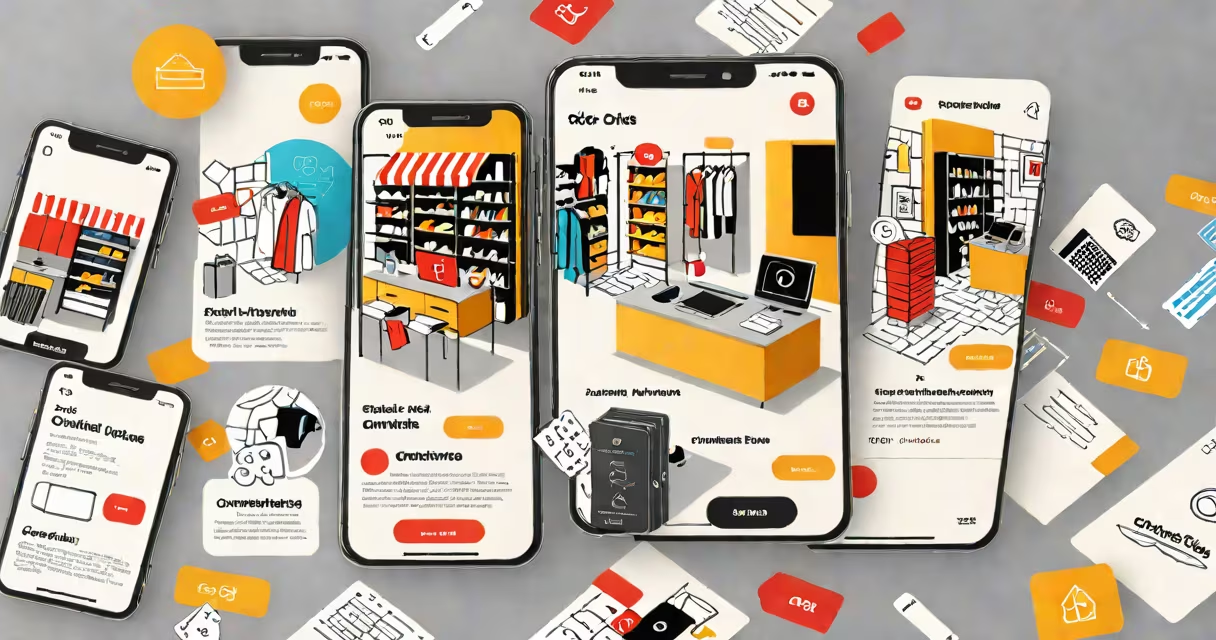
Social commerce apps are digital platforms that integrate social interaction with e-commerce functionality, allowing users to discover, engage with, and purchase products directly within social media environments. These apps blend content sharing, community building, and transactional features into a single user experience.
Unlike traditional online marketplaces such as Amazon or eBay, social commerce apps prioritize discovery through visual content, influencer recommendations, and peer engagement. Users don't leave the app to complete a purchase-they browse a feed, see a video demonstration of a product, and tap "buy" without switching to a separate shopping site.
According to Shopify's 2023 Social Commerce Report, 60% of consumers aged 18-34 have made a purchase through a social media platform. This shift reflects how deeply embedded social commerce has become in digital consumer behavior.
These apps operate on a model where content drives sales. A user sees a post-often a short video or image-showcasing a product. The post includes a "Shop Now" button or a product tag. Tapping it opens a product card with pricing, descriptions, reviews, and a checkout flow-all within the same app.
Behind the scenes, social commerce apps rely on APIs and payment gateways integrated with platforms like Stripe, PayPal, or Apple Pay. They also use AI-driven recommendation engines to suggest products based on user behavior, likes, shares, and past purchases.
For example, TikTok Shop uses machine learning to recommend trending items to users based on their viewing history. If someone watches multiple videos about eco-friendly kitchenware, the app begins surfacing similar products in their feed-even if they haven't searched for them.
There are three primary models of social commerce apps:
| Type | Key Features | Examples |
|---|---|---|
| Integrated social networks | Native shopping tools within existing social platforms | Instagram Shopping, Facebook Marketplace, TikTok Shop |
| Dedicated social marketplaces | Platforms built around both social features and buying/selling | Pinterest Shopping, Snapchat Spotlight, Depop |
| Influencer-led storefronts | Individual creators run shops tied to their audience | OnlyFans (for digital goods), Instagram-based brand accounts |
Instagram Shopping, launched in 2019, allows businesses to tag products in posts and stories. A user taps the tag, views product details, and checks out without leaving the app. As of 2023, over 200 million monthly active users interact with tagged products on Instagram.
TikTok Shop, introduced in 2022, expanded rapidly in Southeast Asia and the U.S., using live-stream shopping events where hosts demonstrate products in real time. During a 2023 holiday campaign, one TikTok livestream generated $1.2 million in sales in under four hours.
Many confuse social commerce apps with regular social media or basic e-commerce sites. The key difference lies in intent and flow. On a standard social network like Facebook, users may see a post about a product-but clicking it often redirects to an external website. In contrast, social commerce apps enable transactions entirely within the platform.
A common error is assuming all social commerce features are equally effective. Research from McKinsey & Company (2022) shows that conversion rates for in-app purchases average 3.7%, while click-throughs to external sites drop to 1.2%. The friction of leaving the app reduces completion rates.
Another misconception is that social commerce only benefits small businesses. While influencers and microbrands thrive here, large retailers like Nike and Sephora use TikTok Shop and Instagram Shopping to launch limited editions and track real-time demand. Nike's 2023 "Air Force 1" drop sold out in under 12 minutes via Instagram-exclusive access.
Consider Maya, a handmade jewelry designer based in Portland. She runs her brand through Instagram and TikTok. She posts short videos showing how she crafts each piece-using recycled silver and ethically sourced stones.
She enables Instagram Shopping and adds product tags to her posts. Her followers can view prices, read reviews, and buy directly from the app. She tracks which pieces sell fastest through Instagram Insights and adjusts her content accordingly.
During a Black Friday promotion, she ran a TikTok Live stream where she showcased five new designs. Viewers could comment "buy" and were redirected to a secure checkout. Within 90 minutes, she sold 42 pieces-$6,800 in revenue-with no need for a separate website or email list.
This is not an outlier. According to Meta's 2023 Small Business Report, 58% of small businesses using Instagram Shopping reported increased sales volume compared to the previous year.
Social commerce apps reduce the gap between inspiration and action. A user sees a product in a video, feels emotional connection through storytelling, and completes a purchase in under 30 seconds. This immediacy drives higher conversion rates than traditional e-commerce funnels.
They also lower barriers to entry for entrepreneurs. Anyone with a smartphone and a product can start selling. No need for complex web development, inventory systems, or customer service infrastructure-many platforms handle fulfillment through partners.
However, challenges remain. Fraudulent listings, counterfeit goods, and poor return policies still plague some platforms. The FTC warns that 22% of social commerce complaints in 2023 involved unfulfilled orders or misrepresented products.
Social commerce apps represent a shift from browsing to buying within the same environment. They're not just tools for shoppers-they're transformational platforms for creators, brands, and small businesses seeking direct access to audiences.