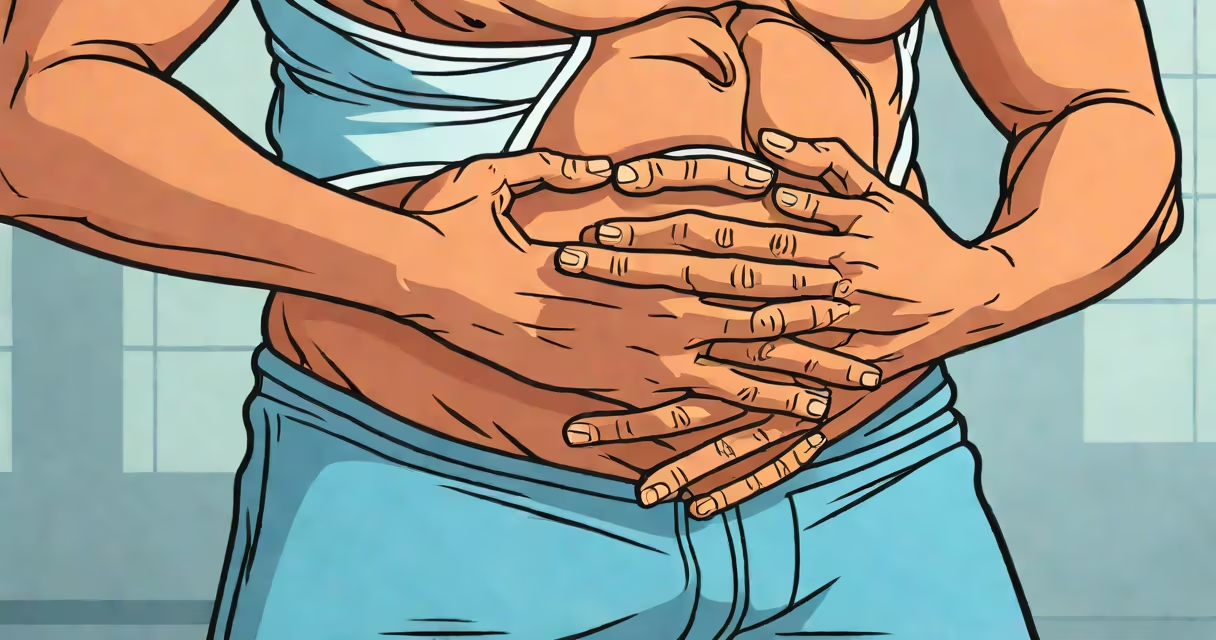
Stomach pain while working out is a common complaint caused by reduced blood flow to the digestive system, improper nutrition timing, dehydration, or underlying gastrointestinal conditions. It typically presents as cramping, sharp pain, or bloating during or shortly after physical activity.
During exercise, blood vessels constrict in the gut and redirect oxygen-rich blood to muscles. This shift can cause ischemia-temporary lack of blood flow-to the intestines, triggering cramps. A 2018 study in the Journal of Sports Sciences found that 60% of endurance athletes reported gastrointestinal distress during training, with abdominal pain being the most frequent symptom.
Common triggers include consuming high-fiber or fatty meals within two hours of exercise, drinking carbonated beverages, or exercising too intensely without proper warm-up. Some people also experience pain due to diaphragmatic irritation from repetitive impact, especially during running or jumping.
When you start moving, your heart rate increases and blood flow is prioritized to skeletal muscles. The splanchnic circulation-the network supplying the stomach, intestines, and liver-can lose up to 70% of its normal blood flow during moderate to intense exercise. This reduction impairs digestion and may lead to spasms or cramping.
Dehydration worsens the issue. Even mild dehydration (1-2% body weight loss) reduces blood volume, further limiting nutrient delivery to the gut. Research from the American Council on Exercise confirms that low hydration levels correlate with higher rates of exercise-associated nausea and abdominal pain.
Impact sports like running or CrossFit can jolt the internal organs, causing the stomach to bounce against the abdominal wall. This mechanical stress may irritate the diaphragm's nerve supply, leading to referred pain in the upper left quadrant or under the ribcage-a phenomenon known as "side stitch."
Stomach pain during workouts varies in location, intensity, and timing. Identifying patterns helps distinguish between benign and concerning causes.
| Type | Onset | Location | Common Triggers |
|---|---|---|---|
| Cramping | During or immediately after | Lower abdomen, midsection | High-intensity cardio, poor hydration, eating too close to workout |
| Side stitch | Early in workout | Right or left side under ribs | Running, shallow breathing, large meal before activity |
| Bloating/nausea | 15-60 minutes into session | Upper abdomen | Fatty foods, carbonation, high-fiber intake pre-exercise |
| Chronic pain | Recurring across sessions | Diffuse or localized | IBS, gastritis, food intolerances |
One non-obvious factor: caffeine. While many rely on coffee pre-workout, it stimulates colonic motility and increases gastric acid secretion. A 2020 review in Frontiers in Physiology noted that caffeine intake before exercise raised the risk of stomach pain by 35% in habitual users.
Stomach pain while working out is not always due to poor fitness or lack of conditioning. It's not simply "getting used to" exercise. Persistent pain signals a physiological imbalance, not a mental barrier.
It's also not the same as muscle soreness. Muscle pain occurs after exertion, is localized, and resolves within 48-72 hours. Abdominal pain during activity is often sharp, sudden, and unrelated to muscle fatigue.
A common mistake is attributing all workout-related stomach issues to "digestive problems." But the root cause may be neurological. The vagus nerve, which regulates gut function, can be overstimulated during intense breath control or high-resistance movements, leading to cramps independent of food or hydration.
At a local fitness center, a 32-year-old woman reported recurring lower abdominal cramps during her 45-minute spin class. She exercised five days a week, drank 16 oz of orange juice before each session, and ate a banana 30 minutes prior. Her symptoms began around minute 15, lasting 10-15 minutes and resolving after stopping.
After reviewing her routine, we identified three triggers: citrus juice (high acidity), fruit consumption before exercise (natural sugars ferment quickly), and high-intensity cycling (increased intra-abdominal pressure). She switched to water and a small rice cake 90 minutes before class. Symptoms disappeared within three sessions.
This case illustrates that diet timing matters more than intensity alone. Even healthy foods can trigger issues if consumed too close to activity.
Occasional mild pain is normal. But persistent or severe pain warrants evaluation. Red flags include:
For immediate steps during a painful episode, stop activity, sit upright, and breathe slowly. Applying heat to the abdomen may ease cramping. If pain persists beyond 10 minutes, seek care.
After recovery, consider tracking your workouts and meals using a journal. Note timing, food type, intensity level, and symptom onset. This data helps identify patterns and inform adjustments.
As someone who trained hundreds of clients, I've seen people push through pain only to develop chronic issues. One client ignored recurring cramps during squats until he was diagnosed with a hiatal hernia. He'd been lifting heavy with poor form and inadequate rest. Once corrected, his symptoms vanished.
Prevention focuses on timing, hydration, and food selection. Avoid large meals 2-3 hours before exercise. Choose low-fiber, low-fat, easily digestible options like toast, plain yogurt, or oatmeal. Stay hydrated-aim for 16-20 oz of water 2 hours before activity.
Understanding the mechanisms behind stomach pain while working out helps you act proactively. It's not a sign of weakness-it's a signal to adjust your approach.