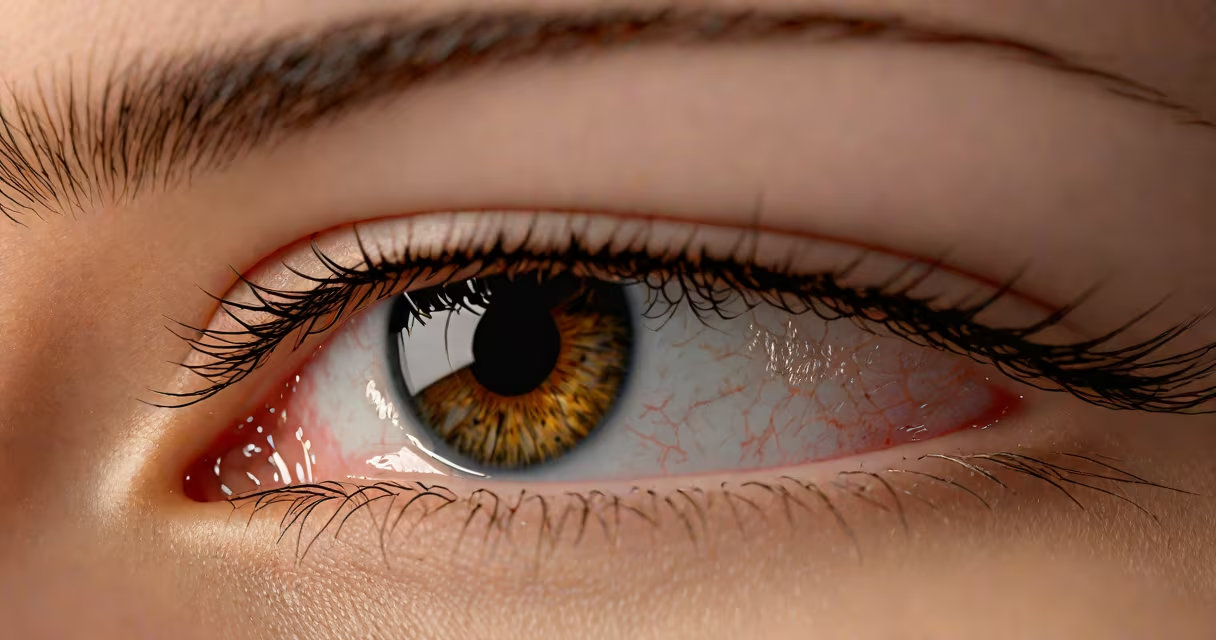
A swollen eyelid from eyelash extensions results from irritation or allergic reaction to the adhesive used during application, typically appearing within 24 to 48 hours. This condition stems from direct contact between the skin and chemical components in the glue, especially if applied too close to the lash line or if the client has sensitivities.
The most common cause is exposure to cyanoacrylate-based glues, which are standard in professional lash work. These adhesives harden quickly and release volatile compounds during curing. Even low levels of residue can trigger inflammation in sensitive individuals. A 2021 study published in *Contact Dermatitis* found that 18% of patients reporting ocular irritation after lash services had confirmed contact dermatitis from lash glue components.
Swelling may begin subtly-a tight feeling along the upper lid-but progress to visible puffiness, redness, and sometimes itching. In severe cases, the eyelid becomes so inflamed that blinking causes discomfort or partial closure. If left untreated, prolonged swelling can lead to secondary infection or scarring of the lash follicles.
When lash glue is applied too close to the lash root or seeps beneath the eyelid margin, it comes into direct contact with the delicate skin and conjunctiva. The skin around the eyes has fewer oil glands and thinner layers than other facial areas, making it more vulnerable to irritants. Even a small amount of excess glue can cause localized immune activation.
Allergic reactions occur when the body identifies a component in the adhesive-commonly formaldehyde-releasing agents or accelerators-as foreign. The immune system releases histamines, leading to vasodilation and fluid leakage into tissues. This process explains why symptoms often appear suddenly rather than gradually.
Over-application is another frequent culprit. Some technicians apply multiple layers of glue to ensure retention, increasing the risk of residual adhesive. A single session using 60-80 individual lashes with heavy glue placement can result in enough chemical exposure to provoke a response. According to the American Academy of Ophthalmology, improper technique accounts for nearly 60% of reported adverse events related to lash extensions.
Reactions fall into two categories: irritant contact dermatitis and allergic contact dermatitis. Irritant reactions develop rapidly, usually within hours, and present with burning, stinging, and mild swelling. Allergic responses take longer-sometimes 12 to 72 hours-to peak and include intense itching, blistering, and persistent swelling.
Many assume swelling is normal after extensions. That's incorrect. While mild tightness can occur due to pressure from the weight of the extensions, noticeable puffiness indicates a problem. One client reported waking up with a visibly swollen left eyelid after a full set of volume lashes. The technician had used a high-viscosity glue intended for thick lashes, which dried too slowly and trapped moisture under the lid.
Another misconception is that swelling resolves on its own. Delaying care increases the risk of complications. Persistent inflammation can damage the meibomian glands, contributing to dry eye syndrome later. The FDA warns against treating eye swelling with over-the-counter steroid creams without medical guidance, as misuse can raise intraocular pressure.
Distinguishing a reaction from a normal post-procedure sensation requires attention to timing and physical signs. Normal discomfort fades within 6 hours. Swelling lasting beyond 12 hours, especially with worsening redness or discharge, signals a reaction.
Use this checklist to assess severity:
| Symptom | Normal Reaction | Sign of Reaction |
|---|---|---|
| Onset time | Within 1 hour | After 6 hours |
| Swelling location | Upper lid only | Spreads to lower lid or cheek |
| Itching | None | Persistent or worsening |
| Discharge | None | Yellow or green mucus |
I once observed a client return two days after her appointment with a swollen right eyelid and crusting at the lash line. She'd ignored initial mild itchiness. By then, the area was warm to touch and showed early signs of folliculitis. A swab confirmed bacterial colonization. Early intervention prevents progression.
Immediate steps include removing the extensions under sterile conditions. Do not attempt to peel them off at home-this risks tearing the natural lashes and spreading irritants. Instead, visit a licensed technician who uses a specialized remover solution designed to dissolve the adhesive without damaging the skin.
For mild cases, cold compresses applied for 10 minutes every 2 hours reduce swelling. Over-the-counter antihistamines like cetirizine (Zyrtec) can ease itching. If swelling persists past 48 hours, consult an ophthalmologist. Topical corticosteroids may be prescribed, but only under supervision.
Prevention begins with choosing a reputable technician. Ask about the brand of adhesive used. Avoid products containing formaldehyde-releasing preservatives. Always perform a patch test 24 hours before service. A drop of glue behind the ear or on the inner wrist can reveal sensitivity before it affects the eyes.
Swollen eyelid from eyelash extensions is not a minor side effect-it's a sign of biological response to a foreign substance. Recognizing the difference between temporary tightness and actual inflammation saves time, discomfort, and potential long-term damage.