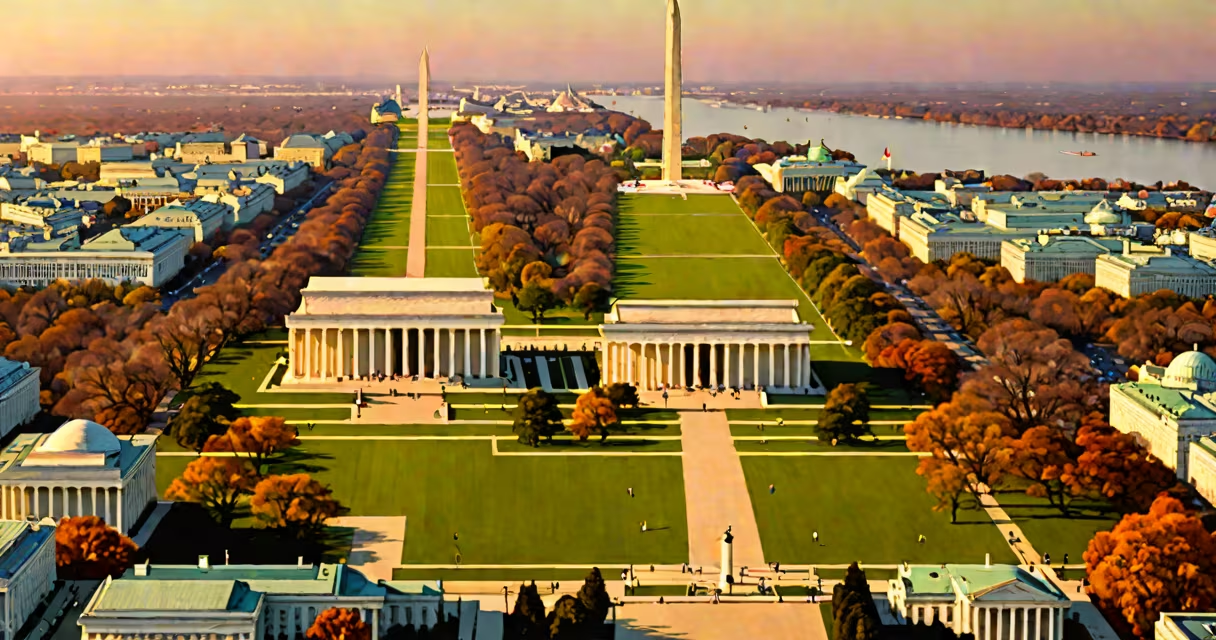
Things to do in Washington DC this weekend include visiting free national museums, attending outdoor concerts at the National Mall, touring historic landmarks like the U.S. Capitol, and exploring neighborhood festivals in neighborhoods such as Shaw and Adams Morgan. These activities combine cultural access, seasonal events, and local flavor across the city's 14 wards.
Washington DC offers a mix of free and low-cost weekend experiences. Major institutions like the Smithsonian museums remain open without admission fees. Outdoor spaces host live music, food trucks, and art installations. Weekend visitors can walk through the National Mall, attend a performance at the Kennedy Center, or take a guided tour of the White House grounds. Many events are timed around spring weather, making outdoor options especially popular.
Most public venues in Washington DC operate on a fixed schedule. Museums open at 10 a.m. and close between 5:30 p.m. and 7 p.m., depending on the day. The National Park Service manages outdoor areas like the Tidal Basin and Rock Creek Park, which allow walking, biking, and picnicking. Events often require advance registration via official websites, especially for ticketed performances or limited-entry tours.
Public transit connects major sites. Metro lines serve the Smithsonian, Union Station, and Foggy Bottom. Ride-sharing apps and bike-share stations (Capital Bikeshare) provide last-mile access. Weekends see higher foot traffic, particularly near the National Mall and Dupont Circle. Arriving early avoids crowds at high-traffic spots like the Lincoln Memorial and Jefferson Memorial.
Weather impacts availability. Spring temperatures average 60°F to 70°F (15°C-21°C), ideal for walking. Rain may cancel outdoor events. Check the National Park Service website or the District's official events calendar before planning. Some events, like the annual Cherry Blossom Festival, have peak days with heavy congestion.
Activities fall into four categories: cultural, historical, recreational, and seasonal. Cultural events include theater, music, and art shows. Historical sites cover government buildings, monuments, and presidential homes. Recreational options involve parks, trails, and fitness classes. Seasonal events align with holidays or weather shifts-spring blooms, summer concerts, fall foliage walks.
| Type | Examples | Cost | Best For |
|---|---|---|---|
| Cultural | Kennedy Center performances, Smithsonian Arts and Industries | $10-$100 | Families, tourists, arts lovers |
| Historical | U.S. Capitol tours, Ford's Theatre | Free (reservations required) | Students, history buffs |
| Recreational | Rock Creek Park hiking, Capital Bikeshare rides | Free-$15/day | Outdoor enthusiasts, locals |
| Seasonal | Cherry Blossom Festival, DC Jazz Festival | Free-$50 | Travelers seeking local flavor |
Some lesser-known opportunities exist beyond tourist hubs. The D.C. Department of Parks and Recreation runs free community events in neighborhood centers. The Anacostia Waterfront Initiative hosts pop-up markets and youth workshops. The U.S. Botanic Garden holds morning lectures on native plants. These are often overlooked but offer authentic local engagement.
Popular destinations include the National Mall, Georgetown, and the National Zoo. The Mall draws visitors for its iconic monuments and open space. Georgetown attracts shoppers and diners with its cobblestone streets and waterfront views. The zoo offers animal encounters and conservation programs.
Why people choose these locations varies. Families seek educational value and safe environments. Students look for free entry and study breaks. Tourists prioritize photo ops and landmark access. Business travelers use weekends to explore without disrupting work.
A common mistake is assuming all attractions are free. While the Smithsonian museums charge nothing, special exhibitions, IMAX films, and behind-the-scenes tours cost extra. The National Gallery of Art charges $15 for certain temporary displays. Visitors should confirm pricing before arriving.
Many assume the White House is open to the public. It is not. Only guided tours of the White House grounds are available, and they require advance application through a member of Congress. The White House Visitor Center, located at 1450 Pennsylvania Ave NW, provides orientation and photos but no interior access.
Another misconception is that all events listed online are free. Some "free" tickets are reserved for residents or require registration. The city's official events calendar (events.dc.gov) filters by price and location. Third-party sites may list outdated or inaccurate pricing.
One non-obvious fact: many free museum passes are available through public libraries. The District of Columbia Public Library system offers downloadable passes to the National Museum of American History, the National Portrait Gallery, and the National Museum of African American History and Culture. These passes are valid for two people and one visit per week.
I once visited the National Museum of African American History and Culture on a Saturday with a library pass. The exhibit on the Civil Rights Movement included audio recordings of speeches, original Freedom Riders' letters, and a replica of the 1963 March on Washington. Without the pass, entry would have cost $15 per person. The library pass saved $30 and skipped the online waitlist.
Start with a map of the city's metro lines. Focus on clusters: the National Mall (Smithsonian museums), Penn Quarter (National Gallery of Art), and Capitol Hill (Capitol Building and Library of Congress). Allocate 3-4 hours per site to avoid rushing.
Use the official D.C. tourism site (dc.gov/visit) to filter events by date, category, and location. Set alerts for new additions. Check the weather forecast daily. Bring layers and comfortable shoes-many sites require walking over 2 miles.
For dining, try local favorites like Ben's Chili Bowl (founded 1958) for half-smokes, or Café du Monde for beignets. Avoid tourist traps near the National Mall. Instead, explore Adams Morgan's international food stalls or Shaw's Ethiopian restaurants.
If you're looking for similar weekend plans in another city, explore things to do in Chattanooga this weekend for a different regional vibe.
Weekend travel in Washington DC combines accessibility, variety, and rich history. quiet moments at the Reflecting Pool, there's a path tailored to your pace and interest.