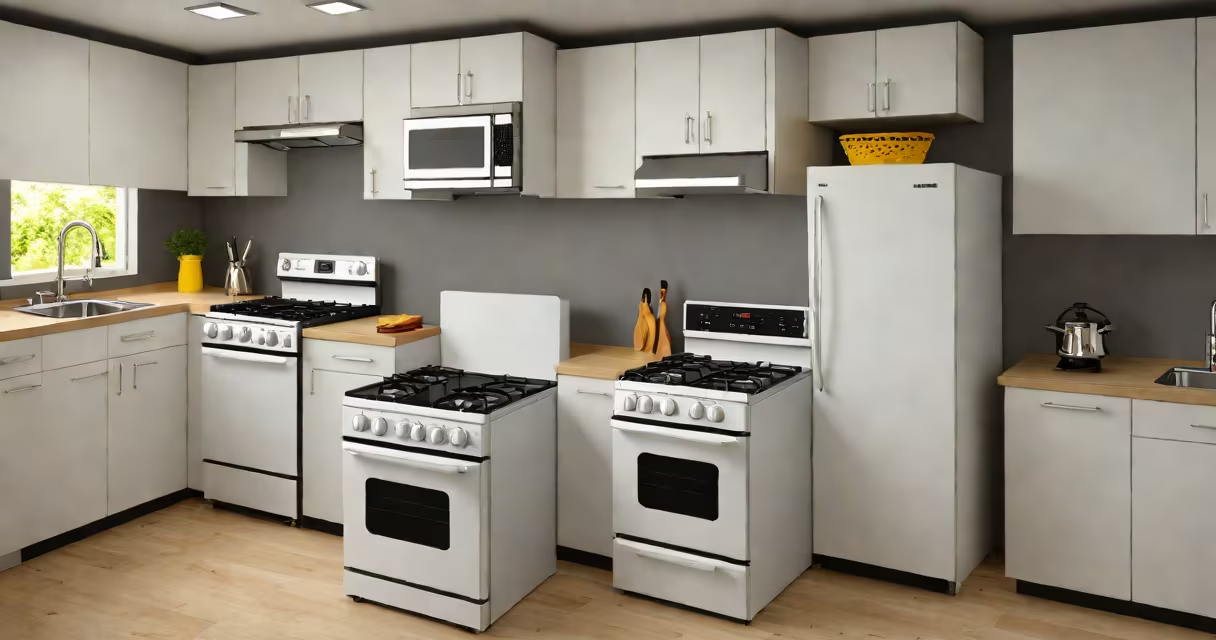
Natural gas powers multiple essential systems in a typical American home, including space heating, water heating, cooking, clothes drying, and sometimes cooling. It's delivered through underground pipelines and used directly in combustion-based appliances.
Gas enters a home through a meter, then flows to connected fixtures and equipment. Each device converts gas into heat or mechanical energy via controlled burning. This process is efficient and widely adopted due to low operating costs and high energy density compared to electricity.
According to the U.S. Energy Information Administration (EIA), about 56% of U.S. homes use natural gas for space heating, and nearly 40% rely on it for water heating. These numbers reflect widespread integration into residential infrastructure.
When natural gas burns, it releases thermal energy. Appliances convert this energy into usable forms-heat for warming rooms or water, or mechanical force for drying clothes. The combustion process requires oxygen and produces carbon dioxide and water vapor as byproducts.
Each gas appliance has a regulator that controls flow and pressure. A pilot light or electronic ignition starts the burn. Modern systems include safety features like flame sensors that shut off gas if the flame goes out.
For example, a gas furnace heats air in a duct system. Air passes through a heat exchanger warmed by burning gas. A blower circulates the heated air through vents. This process maintains indoor temperatures during winter months.
The following table outlines major household systems that use natural gas, their average annual consumption, and typical fuel efficiency ratings.
| Device | Avg. Annual Gas Use (therms) | Efficiency Rating (AFUE or SEER) | Typical Home Use |
|---|---|---|---|
| Furnace | 40-60 therms | 90-98% AFUE | Winter heating |
| Water Heater | 20-40 therms | 60-90% EF | Hot showers, dishwashing |
| Stove/Oven | 10-20 therms | 40-50% efficiency (cooking) | Cooking, baking |
| Gas Dryer | 15-30 therms | 85-95% efficiency | Laundry drying |
| Fireplace (gas log set) | 5-15 therms | 70-80% efficiency | Supplemental heat, ambiance |
These values are averages based on EIA data from 2022. Actual usage varies by climate zone, insulation quality, and household size.
For example, a family of four in a northern climate using a 92% AFUE furnace may consume 52 therms annually. That translates to roughly $1,100 in gas costs at $2.10 per therm-a common rate in New England.
Many assume gas appliances are inherently more efficient than electric ones. But efficiency depends on context. A gas stove delivers heat faster than an electric coil, but electric induction stoves are more energy-efficient.
Another misconception is that gas is always cheaper. While gas prices per unit are lower, installation costs for gas lines can exceed $1,500. Electric appliances often have lower upfront costs and benefit from rising renewable electricity supply.
Also, people confuse "natural gas" with "propane." Propane is used in rural homes without pipeline access. It's stored in tanks and costs more per unit. A propane furnace can cost 20-30% more to operate than a natural gas model.
Consider a 2,400 sq ft home in Columbus, OH, built in 2010. It has:
Annual gas usage breakdown:
Total: 115 therms per year. At $1.85/therm, the household spends $213 annually on gas. This aligns with EIA residential consumption data for similar homes.
During peak winter, the furnace accounts for 60% of total gas use. The water heater peaks in morning hours. Cooking use is sporadic but adds up over time.
Gas is ideal for continuous, high-heat applications. It provides instant heat and stable output. Electric systems are better for precise temperature control and do not produce indoor emissions.
However, gas systems emit carbon dioxide and nitrogen oxides. The Environmental Protection Agency (EPA) reports that residential gas combustion contributes about 12% of U.S. building-related CO₂ emissions annually.
As of 2023, California and several Northeast states are phasing out gas hookups in new construction. The goal is to reduce methane leaks and improve indoor air quality. Some cities require all-electric new builds.
Even so, existing homes continue to rely on gas. Replacing a gas furnace with a heat pump can cut heating costs by 30-50%, but the upfront investment ranges from $5,000 to $10,000.
Every home with a gas connection uses natural gas for heating, water heating, cooking, and drying. These systems form the core of daily living. Understanding which devices consume gas helps manage energy bills and environmental impact.
Gas remains a dominant energy source in U.S. homes. Knowing what all uses gas in a house enables smarter choices about comfort, cost, and sustainability.