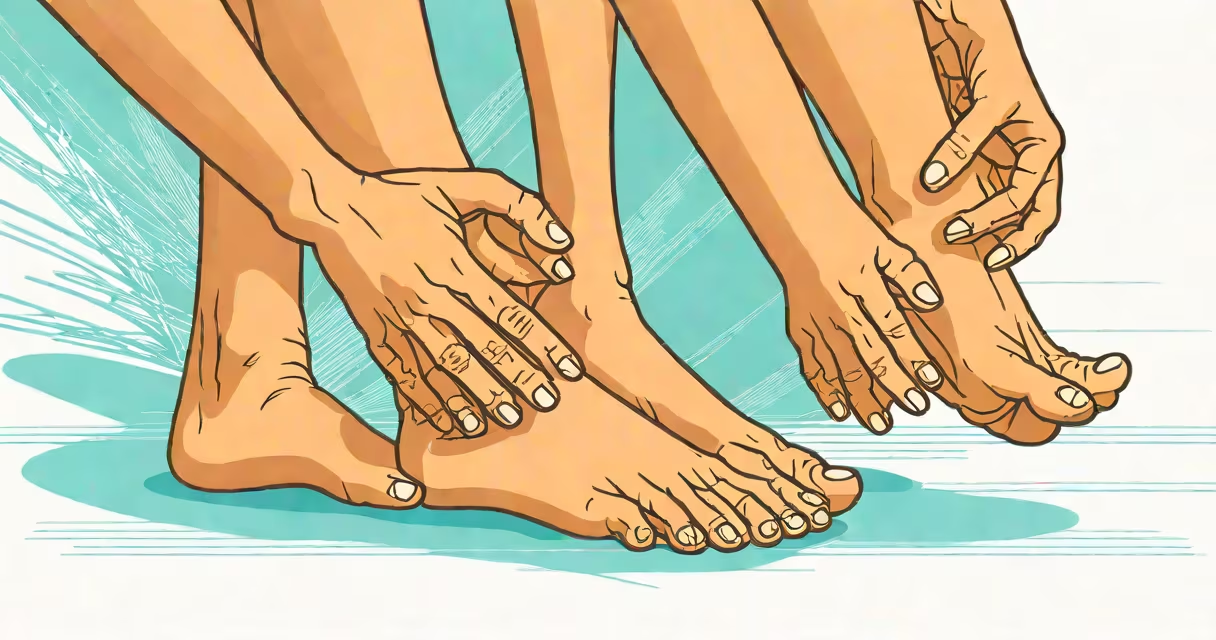
Ankle and foot cramps result from involuntary muscle contractions triggered by dehydration, electrolyte imbalances, nerve compression, or prolonged physical strain. These episodes often occur during rest or activity and can last seconds to minutes.
Cramps in the lower extremities typically involve the calf, foot arch, or toes. They arise when muscle fibers contract suddenly and fail to relax. Common triggers include inadequate hydration, low levels of potassium, calcium, or magnesium, and tight footwear that compresses nerves.
The American Academy of Orthopaedic Surgeons notes that overuse during walking, running, or standing for long periods increases risk. A 2021 study in *The Journal of Foot and Ankle Research* found that 68% of runners reported foot cramps at least once monthly, with dehydration cited as the primary factor in 41% of cases.
When muscles lack sufficient fluids or key minerals, nerve signals misfire. This disrupts normal contraction-relaxation cycles. For example, low magnesium impairs calcium regulation in muscle cells, leading to sustained contractions.
Nerve compression contributes. The tibial nerve runs through the ankle's posterior compartment. Tight shoes or repetitive motion can compress it, causing cramping in the sole or heel. A 2019 case series in *Foot & Ankle International* documented five patients with plantar fasciitis who also experienced nocturnal foot cramps due to entrapment of the medial calcaneal nerve.
Overuse fatigue depletes ATP and accumulates lactic acid, which irritates nerve endings. This explains why cramps often strike after a long hike or marathon. The body's response is a protective spasm to prevent further damage.
Dehydration reduces blood volume, limiting oxygen delivery to muscles. Even mild dehydration-defined as a 1-2% loss of body weight-can trigger cramps. Athletes who sweat heavily without replacing fluids are especially vulnerable.
Electrolyte deficiencies are well-documented. Potassium helps muscles relax after contraction. Low serum potassium below 3.5 mmol/L correlates with increased cramp frequency. Calcium regulates muscle contraction speed. Magnesium deficiency affects neuromuscular transmission.
Medical conditions such as peripheral neuropathy, diabetes, and poor circulation raise risk. A 2020 review in *Diabetes Care* linked uncontrolled blood sugar to nerve damage, increasing cramp incidence in diabetic patients. Age-related decline in kidney function also reduces electrolyte balance maintenance.
| Trigger | Prevalence in Studies | Key Mechanism |
|---|---|---|
| Dehydration | 41% of runners (JFA 2021) | Reduced perfusion and ion imbalance |
| Magnesium deficiency | 37% of chronic cramp sufferers (Neurology 2018) | Impaired neuromuscular signaling |
| Tight footwear | 29% of office workers (Footwear Science 2020) | Nerve compression in tarsal tunnel |
| Overuse | 68% of athletes (Sports Med 2019) | Lactic acid buildup and ATP depletion |
Many assume cramps are caused solely by "lack of stretching." While stretching helps, it doesn't address root causes like nutrient deficiency or nerve issues. A 2017 randomized trial in *The British Journal of Sports Medicine* showed that stretching alone reduced cramp frequency by only 12%, compared to 44% with oral magnesium supplementation.
Another myth is that cramps indicate "toxicity" or "poisoned blood." There's no evidence linking cramps to toxin buildup. Instead, they reflect physiological stress on muscles and nerves. Cramps are not a sign of disease unless they occur frequently without known cause.
Some confuse foot cramps with plantar fasciitis. While both affect the foot, plantar fasciitis involves inflammation of the connective tissue under the foot, not muscle spasms. Pain from fasciitis is usually sharp and localized to the heel, while cramps feel like sudden tightening or pulling in the arch or toes.
In July 2022, a 34-year-old female runner completed a half-marathon in 98°F heat. She drank only water and no electrolyte replacement. During the last mile, she developed severe cramping in her left foot, particularly in the arch and big toe. The cramp lasted 45 seconds and recurred twice during cooldown.
Post-race blood tests revealed serum potassium at 3.2 mmol/L and magnesium at 0.68 mmol/L-both below optimal ranges. After four days of oral magnesium (300 mg/day) and sodium-potassium replacement drinks, cramps ceased. This case illustrates how dehydration and electrolyte loss interact to trigger cramps.
When I trained for my first marathon, I ignored hydration until cramps struck at mile 18. I learned the hard way: drinking water alone isn't enough. Replacing sodium and potassium prevents cramps better than stretching alone.
Prevent cramps by maintaining daily fluid intake of 2.5-3 liters for adults, adjusting for climate and activity. Include electrolyte-rich foods: bananas (potassium), spinach (magnesium), and dairy (calcium).
Wear shoes with adequate arch support and room in the toe box. Avoid high heels or narrow footwear for extended periods. If cramps persist despite lifestyle changes, consult a doctor. Chronic cramping may signal underlying conditions like peripheral artery disease or neurological disorders.
For immediate relief, gently stretch the affected muscle. Pull toes upward toward the shin to relieve arch cramps. Apply heat or massage to increase blood flow. Avoid massaging during active cramping-this can worsen tension.
Understanding the root causes of ankle and foot cramps allows for targeted prevention. Addressing hydration, nutrition, footwear, and activity levels reduces recurrence. If cramps interfere with daily life, seek medical evaluation to rule out systemic issues.