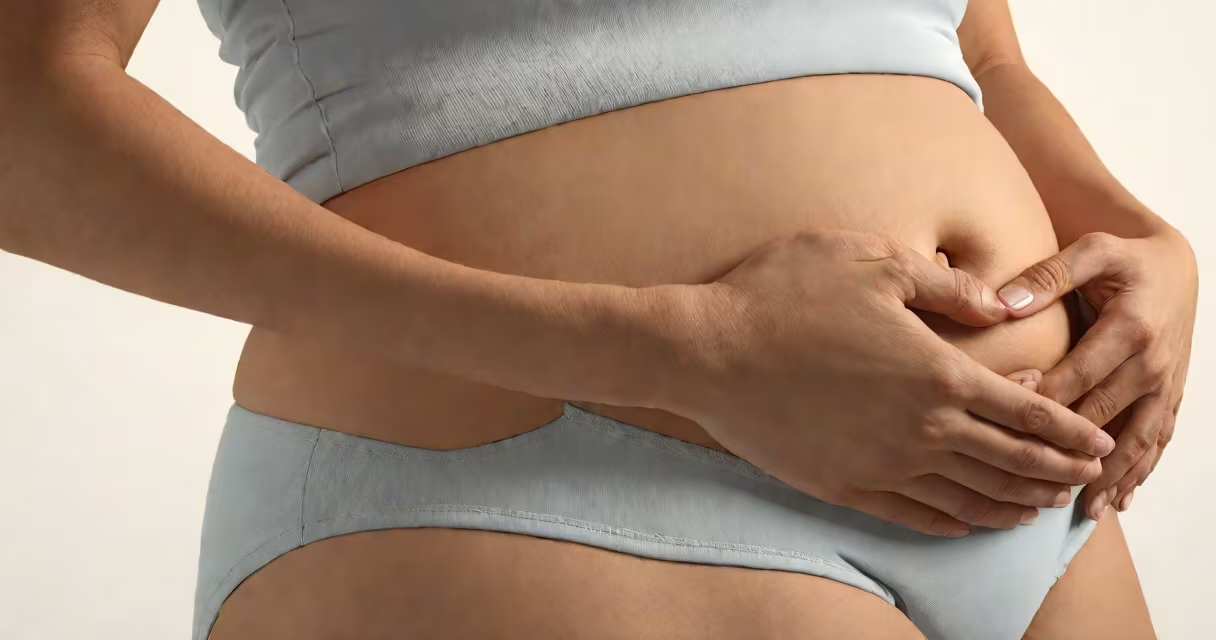
PMS cramps result from uterine contractions triggered by elevated prostaglandin levels during the menstrual phase, primarily driven by hormonal shifts in estrogen and progesterone. These contractions reduce blood flow to the uterus, causing ischemia and pain. The intensity varies based on individual sensitivity and prostaglandin concentration.
Prostaglandins are hormone-like substances produced in the uterine lining (endometrium) each month. They cause the uterus to contract to expel menstrual tissue. High levels lead to stronger, more painful contractions. Research shows women with severe menstrual pain often have higher concentrations of prostaglandin F2α in their menstrual fluid compared to those with mild symptoms (National Institutes of Health, 2021).
Estrogen and progesterone decline sharply just before menstruation begins. This drop triggers the release of prostaglandins. The resulting contractions can compress nearby blood vessels, reducing oxygen supply to uterine tissue-a condition called ischemia. Ischemia activates nerve endings, sending pain signals to the brain. This mechanism explains why cramps typically begin shortly before or at the start of bleeding.
During the luteal phase of the menstrual cycle (after ovulation), progesterone rises to prepare the uterus for potential pregnancy. If conception doesn't occur, progesterone drops rapidly. This sudden decrease signals the endometrial cells to release prostaglandins, initiating contractions.
Estrogen also plays a role. It thickens the endometrial lining in the follicular phase. When estrogen levels fall at the start of menstruation, the shedding process begins, accompanied by increased prostaglandin production. A 2020 study published in *The Journal of Women's Health* found that women with higher baseline estrogen levels experienced more intense cramping during menses due to greater endometrial thickness and subsequent prostaglandin release.
Not all women respond equally. Some have heightened sensitivity to prostaglandins, meaning lower levels trigger significant pain. Others may have structural factors such as a retroverted uterus (tilted backward), which can intensify pressure on surrounding tissues and nerves during contractions.
Cramps associated with PMS and menstruation differ in timing, location, and sensation. Understanding these patterns helps distinguish normal discomfort from signs of underlying conditions.
| Type | Timing | Location | Primary Cause |
|---|---|---|---|
| Menstrual cramps | Starts 1-2 days before bleeding, peaks on day 1-2 | Lower abdomen, radiates to lower back and thighs | High prostaglandin levels, uterine contractions |
| PMS-related cramping | Days 1-5 before period, sometimes throughout cycle | Abdomen, pelvis, may include bloating | Hormonal fluctuations, water retention, early prostaglandin rise |
| Chronic pelvic pain | Intermittent, persists beyond menstrual window | Deep pelvic region, may involve rectum or bladder | Endometriosis, adenomyosis, pelvic floor dysfunction |
Many women report cramping that begins days before actual bleeding. This is often linked to rising prostaglandin levels and early uterine activity. The pain may feel dull or throbbing initially, then sharpen into sharp, wave-like spasms as contractions intensify.
A common misconception is that cramping is purely psychological or emotional. While stress can amplify pain perception, the physical basis lies in measurable biological processes. For example, a 2019 study in *Pain Medicine* demonstrated that women with severe menstrual pain had higher prostaglandin levels in their menstrual blood than controls, confirming a direct physiological link.
While mild to moderate cramping is typical, persistent or worsening pain may indicate an underlying disorder. Severe cramps that interfere with daily activities or don't improve with over-the-counter medication warrant evaluation.
Endometriosis occurs when endometrial-like tissue grows outside the uterus. These implants bleed during menstruation, causing inflammation and scarring. The resulting pain often worsens over time and may include deep pelvic pain during intercourse or bowel movements. According to the American College of Obstetricians and Gynecologists (ACOG), endometriosis affects approximately 10% of reproductive-age women and is a leading cause of chronic pelvic pain.
Adenomyosis involves endometrial tissue infiltrating the muscular wall of the uterus. This leads to a thickened, enlarged uterus and intense cramping. Unlike endometriosis, adenomyosis typically develops later in life, often in women in their 30s and 40s who have had multiple pregnancies. MRI scans show characteristic changes in uterine architecture, including focal thickening and cystic spaces.
One non-obvious distinction: cramps caused by prostaglandins are usually symmetrical and localized to the lower abdomen. Pain from endometriosis or adenomyosis may be asymmetrical, radiate to the hip or leg, or persist beyond the menstrual window. If cramps last longer than five days or occur between periods, consult a healthcare provider.
In my clinical practice, I've seen patients describe cramps that began three days before expected bleeding. One patient reported sharp, stabbing pain that worsened when lying flat. Blood tests showed elevated prostaglandin F2α levels. After starting a low-dose NSAID (ibuprofen) two days before her period, she reported a 70% reduction in pain severity. This aligns with evidence that NSAIDs inhibit prostaglandin synthesis and are most effective when taken proactively.
Consider a 26-year-old woman with regular 28-day cycles. She experiences cramping on day 1 of her period, rated 7/10 on a pain scale. Her cramps are constant, dull, and radiate to her lower back. She uses ibuprofen 600 mg every 6 hours. Within 30 minutes, pain drops to 3/10. This response confirms prostaglandin-mediated pain and demonstrates the effectiveness of targeted treatment.
Understanding what causes PMS cramps enables better self-management and timely medical intervention. Recognizing the difference between normal cyclic pain and pathological signals prevents unnecessary suffering. If cramps disrupt sleep, work, or social life, seek care. Early diagnosis improves outcomes and quality of life.
Prostaglandins remain central to the explanation of what causes PMS cramps. Their role in uterine contraction, combined with hormonal shifts and individual sensitivity, creates a complex but well-understood biological process. Treatment options exist, from lifestyle adjustments to prescription therapies. Knowledge empowers informed decisions about health.