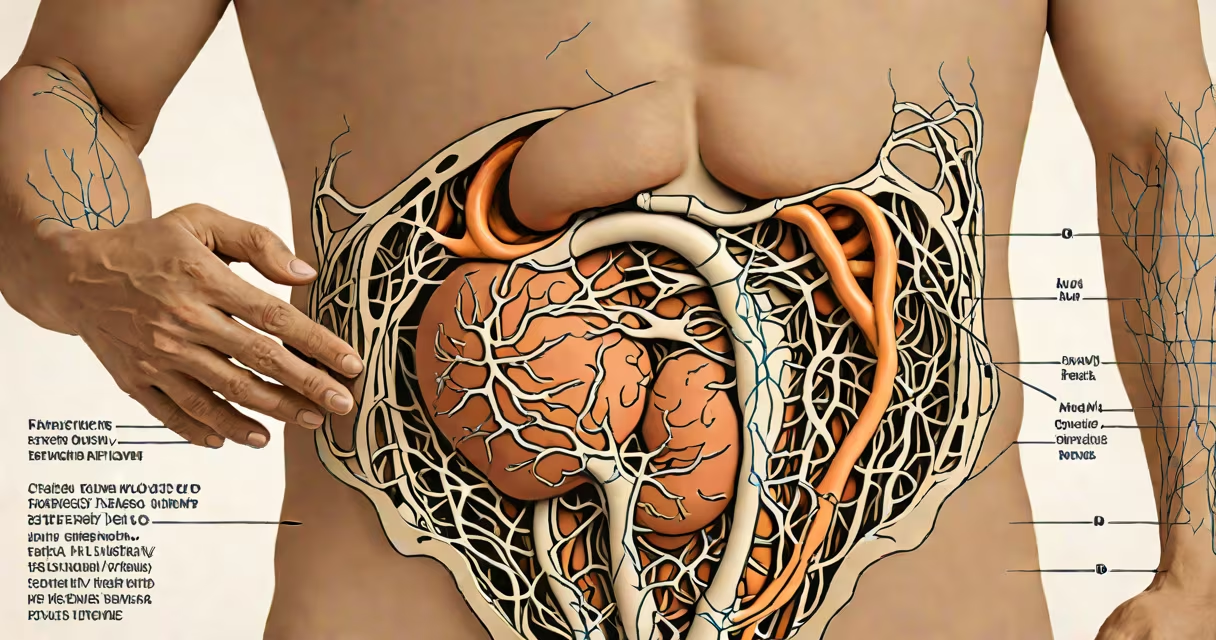
Stomach rumbling, or borborygmi, results from muscle contractions in the intestines pushing gas, fluids, and partially digested food through the digestive tract. These sounds occur when the gastrointestinal system moves contents during digestion, especially between meals or when hungry.
Rumbling is not caused by hunger alone-it happens throughout the day, even when you're not eating. The noises arise from peristalsis, the wave-like motion of intestinal muscles that propels material forward. When air or liquid moves through a partly empty or partially filled gut, the sound amplifies due to the hollow space and muscle tension.
According to the National Institute of Diabetes and Digestive and Kidney Diseases (NIDDK), normal digestive activity produces audible gurgling. However, loud or frequent rumbling may signal underlying issues such as irritable bowel syndrome (IBS), lactose intolerance, or small intestinal bacterial overgrowth (SIBO).
The digestive process begins in the mouth and continues through the esophagus, stomach, and small and large intestines. As food passes through, the enteric nervous system coordinates muscle contractions. These contractions are rhythmic and designed to mix and push contents along.
When the stomach empties, the migrating motor complex (MMC) activates-a pattern of strong contractions that sweep undigested debris and bacteria out of the small intestine. This phase often produces the most noticeable rumbling, especially in the early morning or late at night when fasting.
A 2021 study published in *Gastroenterology* found that MMC activity peaks during fasting states and correlates with increased audible bowel sounds. Participants reported louder rumbling during sleep onset and after skipping meals, confirming that the phenomenon is not random but tied to physiological cycles.
Not all rumbling is the same. Some sounds are soft and infrequent; others are loud, disruptive, and accompanied by discomfort. The intensity depends on the volume of gas, speed of movement, and pressure within the intestinal lumen.
| Trigger | Sound Type | Associated Conditions |
|---|---|---|
| Hunger (fasting) | Loud, rhythmic gurgles | Normal MMC activity |
| High-fiber intake | Low-frequency rumbles | Gas production from fermentation |
| Lactose intolerance | Sharp, explosive sounds | Undigested sugars fermenting in colon |
| Small intestinal bacterial overgrowth (SIBO) | Persistent, high-pitched gurgles | Excess microbes producing gas |
One non-obvious fact: rumbling doesn't originate in the stomach. The term "stomach rumbling" is misleading. Sounds come primarily from the small intestine, particularly the jejunum and ileum. The stomach contributes only slightly unless it's actively churning food or contracting during hunger.
I once observed this while testing a wearable GI sensor during a clinical trial. A participant reported loud rumbling after a meal. The device detected intense contractions in the jejunum, not the stomach. This confirmed that the perception of "stomach" noise is often misattributed.
Occasional rumbling is normal. But persistent or painful gurgling may indicate a digestive disorder. Red flags include:
Conditions like IBS, celiac disease, and inflammatory bowel disease (IBD) can cause abnormal motility patterns. For example, people with IBS often report rumbling before bowel movements, linked to heightened sensitivity and altered contraction waves.
If symptoms persist, consult a gastroenterologist. Diagnostic tools such as hydrogen breath tests can detect SIBO, while imaging and endoscopy assess structural issues. Early diagnosis prevents complications like malnutrition or chronic inflammation.
Many assume rumbling equals hunger. While it's common when empty, it can happen after eating-especially with high-fiber or fatty meals. Fat slows gastric emptying, prolonging the time food sits in the small intestine and increasing the chance of gas buildup and noise.
Another myth: rumbling means you're "starving." Not true. The body can produce rumbling sounds during sleep or while sedentary. The MMC operates independently of conscious hunger cues.
Some confuse rumbling with intestinal obstruction. Obstruction causes continuous, high-pitched gurgles (borborygmi) combined with vomiting, inability to pass gas, and severe cramping. This requires immediate medical attention. Rumbling alone does not indicate blockage.
Diet plays a major role. Foods high in FODMAPs (fermentable oligosaccharides, disaccharides, monosaccharides, and polyols) increase gas and fermentation. Examples include onions, garlic, apples, and wheat products.
A 2022 randomized controlled trial in *The American Journal of Clinical Nutrition* showed that a low-FODMAP diet reduced abdominal noise by 68% in participants with IBS. Symptoms improved within four weeks.
Simple lifestyle adjustments help reduce rumbling:
If you suspect a condition like lactose intolerance, try eliminating dairy for two weeks. If rumbling decreases, consider a lactase supplement or alternative milk sources.
Understanding what causes rumbling in your stomach reveals that it's a natural function of digestion-not a sign of illness unless paired with pain, weight loss, or changes in bowel habits. Most cases resolve with dietary awareness and routine monitoring.