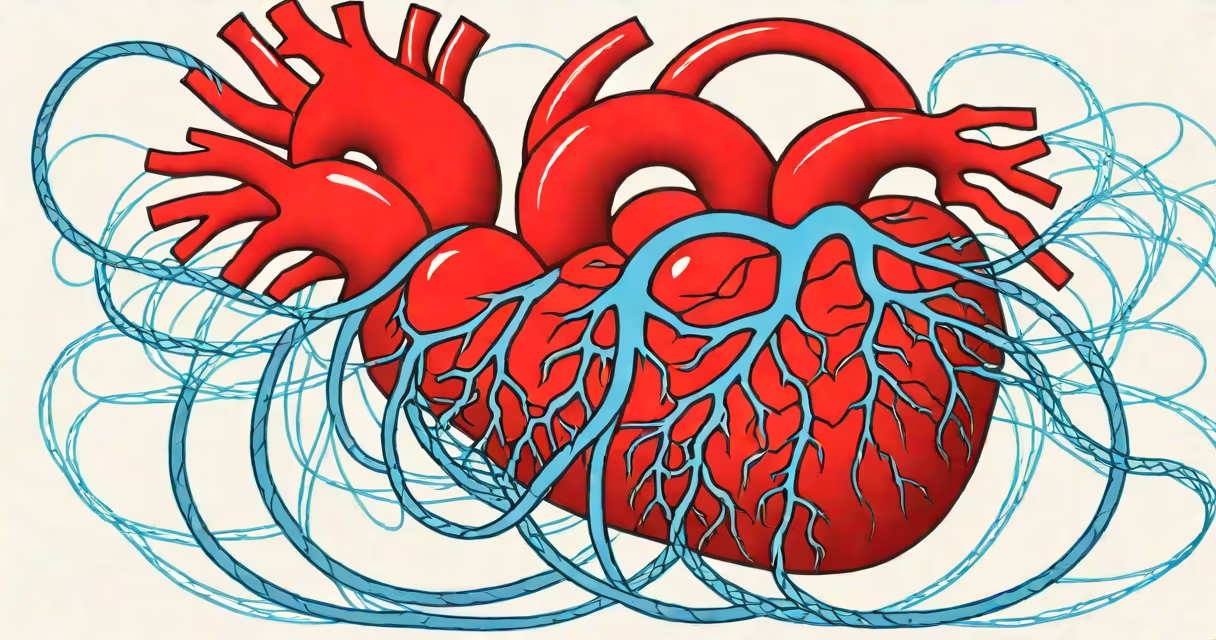
High blood pressure, or hypertension, occurs when the force of blood pushing against artery walls remains consistently elevated. This condition develops gradually over years and often goes unnoticed until complications arise. According to the American Heart Association, nearly half of U.S. adults have hypertension, yet many don't know they do.
Arteries are designed to handle normal pressure, but sustained high pressure damages their lining and forces the heart to work harder. Over time, this increases the risk of heart disease, stroke, kidney failure, and vision loss. The root causes fall into two categories: primary (essential) hypertension, which develops slowly with no identifiable cause, and secondary hypertension, which results from an underlying medical condition.
Primary hypertension accounts for about 90-95% of cases. It typically emerges between ages 30 and 50 and is linked to genetics, aging, and lifestyle choices. Secondary hypertension, making up the remaining 5-10%, stems from conditions such as kidney disease, adrenal gland disorders, or certain medications. Identifying the type helps determine treatment and management strategies.
Blood pressure is measured in millimeters of mercury (mm Hg) and recorded as two numbers: systolic (top number) and diastolic (bottom number). A reading of 130/80 mm Hg or higher qualifies as hypertension according to guidelines from the American College of Cardiology and the American Heart Association.
The heart pumps blood through arteries using rhythmic contractions. When the arteries stiffen or narrow due to plaque buildup, fat deposits, or muscle tension, resistance increases. The heart must generate greater force to push blood through, raising pressure. This process is influenced by sodium levels, vascular tone, and hormonal regulation.
For example, excessive salt intake raises fluid volume in the bloodstream. The kidneys respond by retaining water to dilute sodium, increasing blood volume and pressure. Chronic high sodium consumption correlates with a 20% higher risk of developing hypertension, per a 2021 study published in *The Lancet*.
Several modifiable and non-modifiable factors contribute to high blood pressure. Non-modifiable factors include age, race, and family history. Modifiable factors are those individuals can influence through behavior and diet.
| Type | Common Causes | Prevalence |
|---|---|---|
| Primary (Essential) | Genetics, aging, obesity, sedentary lifestyle | 90-95% |
| Secondary | Kidney disease, sleep apnea, thyroid issues, medications (e.g., NSAIDs) | 5-10% |
Obesity is a major driver. Excess body fat, especially around the abdomen, increases insulin resistance and activates the renin-angiotensin system-a hormone pathway that constricts blood vessels and raises pressure. Research from the National Institutes of Health shows that losing just 10% of body weight can reduce systolic pressure by 5-20 mm Hg.
Chronic stress may also play a role. While acute stress briefly elevates blood pressure, long-term psychological strain contributes to sustained elevation. The Mayo Clinic notes that chronic stress leads to increased cortisol release, which promotes sodium retention and vasoconstriction.
Many assume high blood pressure causes obvious symptoms like headaches or dizziness. In reality, hypertension is often asymptomatic-earning it the nickname "silent killer." About 60% of people with high blood pressure report no symptoms, according to the CDC.
Another misconception is that only older adults develop hypertension. While prevalence rises with age, young adults and even adolescents are increasingly affected. A 2022 CDC report found that 1 in 10 children aged 12-19 had elevated blood pressure, largely due to rising obesity rates and poor dietary habits.
Some believe that occasional high readings confirm hypertension. However, a single elevated measurement doesn't diagnose the condition. The American Heart Association recommends multiple readings over several days to confirm persistent elevation.
John, a 44-year-old office worker, had no symptoms but was diagnosed during a routine physical. His initial reading was 152/94 mm Hg. He returned for follow-up testing over three weeks, with readings averaging 148/92 mm Hg. His doctor confirmed stage 1 hypertension.
John's lifestyle included a diet high in processed foods, minimal exercise, and frequent alcohol consumption. He also had a family history of heart disease. After reviewing his records, his physician identified metabolic syndrome-defined by abdominal obesity, high triglycerides, and insulin resistance-as a likely contributor.
John began a structured plan: reducing sodium intake to under 1,500 mg daily, walking 30 minutes five days a week, and limiting alcohol to one drink per day. After six months, his blood pressure dropped to 128/82 mm Hg. His case illustrates how lifestyle changes can reverse early-stage hypertension.
Regular monitoring is essential. The American Heart Association recommends checking blood pressure at least once a year for adults aged 20 and older. Those with risk factors-such as diabetes, smoking, or a family history-should be screened more frequently.
If readings consistently exceed 130/80 mm Hg, a healthcare provider may order tests to rule out secondary causes. These include blood tests for electrolytes and kidney function, urine analysis for protein, and imaging like renal ultrasound. Sleep studies may be recommended if obstructive sleep apnea is suspected.
Untreated hypertension increases the risk of stroke by 30% and heart attack by 25%, per data from the Centers for Disease Control and Prevention. Early detection and intervention lower these risks.
Environmental and behavioral triggers also matter. Exposure to air pollution, particularly fine particulate matter (PM2.5), has been linked to a 15% higher risk of hypertension, according to a 2023 study in *Environmental Health Perspectives*. Noise pollution from urban environments similarly elevates stress hormones and pressure over time.
One overlooked factor is sleep quality. Poor sleep duration and disrupted circadian rhythms impair autonomic nervous system balance, leading to increased sympathetic activity and elevated blood pressure. Adults who sleep fewer than six hours per night face a 40% higher risk of developing hypertension, per research from the University of California, San Francisco.
Finally, medication-induced hypertension is common. Nonsteroidal anti-inflammatory drugs (NSAIDs), decongestants, and certain antidepressants can raise blood pressure. Patients should discuss alternatives with their doctor if they're on long-term NSAID therapy.
High blood pressure arises from a complex mix of genetic, environmental, and behavioral influences. While some factors cannot be changed, most contributing elements are modifiable. Recognizing the silent nature of hypertension and acting early prevents long-term damage. Addressing diet, movement, sleep, and stress reduces risk and supports cardiovascular health.