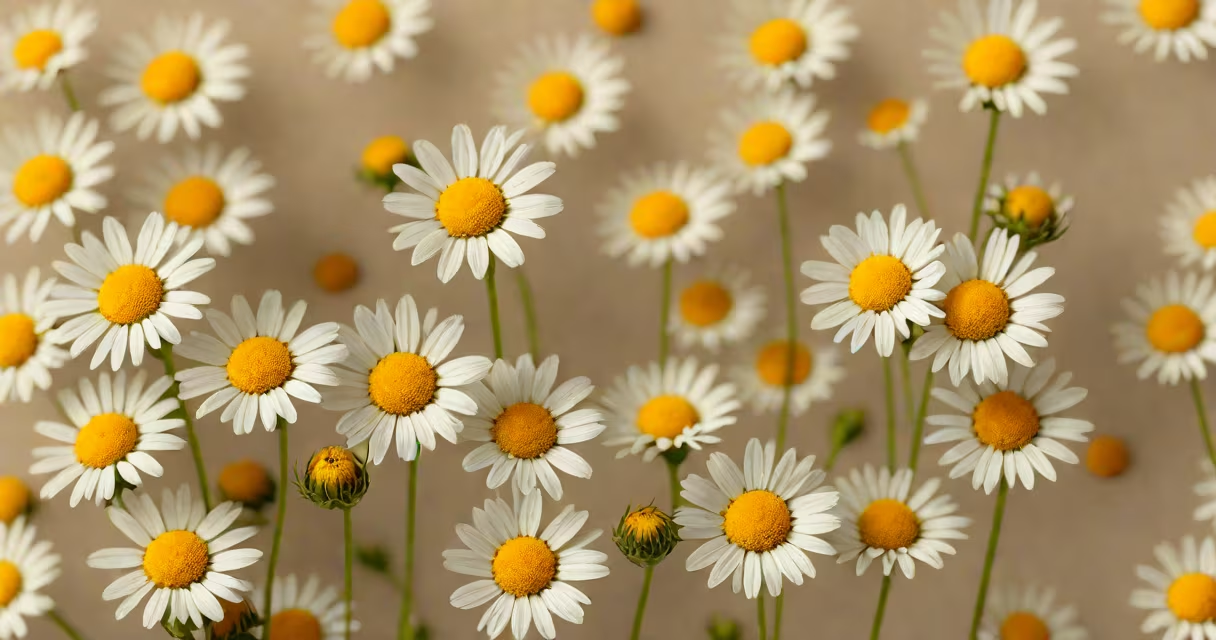
Chamomile symbolizes peace, healing, and gentle resilience. Its name derives from Greek "chamos" (ground) and "melon" (apple), referencing its apple-like scent and low-growing habit. The plant's association with tranquility stems from centuries of medicinal and ritual use across Europe, the Middle East, and Asia.
Chamomile's meaning is rooted in both literal and symbolic roles. As a herb, it's known for reducing anxiety and improving sleep quality. As a symbol, it represents calm in the face of stress, patience in difficult times, and quiet strength. Ancient Greeks dedicated it to Apollo, the god of light and healing, and used it in temple rituals to soothe troubled minds.
Modern research supports its traditional reputation. A 2016 double-blind, placebo-controlled study published in *Phytomedicine* found that participants who took chamomile extract daily for eight weeks reported lower anxiety scores compared to the control group. Another review in *Journal of Clinical Psychopharmacology* confirmed its mild sedative effects, particularly in people with generalized anxiety disorder.
Chamomile's symbolic weight grew through practical use. In medieval Europe, it was hung in homes to purify air and ease tension during illness. In Russia, women placed chamomile under pillows to dream peacefully. In parts of North Africa, it was offered at funerals to represent the soul's peaceful transition.
In traditional Chinese medicine, chamomile is linked to balancing yin and yang. It's believed to cool internal heat and calm the nervous system. Ayurvedic texts describe it as a herb that "harmonizes the mind," helping to clear mental fog and reduce emotional overwhelm.
A lesser-known fact: chamomile was once used in ancient Rome to treat fevers and digestive issues. Soldiers carried it in small pouches during campaigns, not just for health, but as a talisman of endurance. This reflects a deeper layer of meaning - chamomile as a quiet companion in hardship.
Two species dominate cultural and medicinal use: German chamomile (*Matricaria recutita*) and Roman chamomile (*Chamaemelum nobile*). Though similar in appearance, their meanings differ subtly due to chemical composition and regional traditions.
| Type | Flower Appearance | Key Chemicals | Traditional Symbolism |
|---|---|---|---|
| German chamomile | White petals, bright yellow center, smaller blooms | Apigenin, bisabolol | Healing, clarity, emotional release |
| Roman chamomile | Larger, daisy-like flowers, softer scent | Chamazulene, low apigenin | Peace, protection, nurturing |
German chamomile is more commonly used in clinical settings due to higher apigenin levels, which bind to GABA receptors in the brain. Roman chamomile, while less potent, is prized in aromatherapy for its calming aroma and is often associated with motherhood and care.
I once used Roman chamomile essential oil during a week-long meditation retreat in rural Japan. The scent, subtle and warm, helped me stay centered during intense silent sessions. It wasn't a miracle cure, but it created a consistent sense of inner stillness - a tangible reminder of how symbols can anchor practice.
Many assume chamomile's meaning is limited to relaxation. But it also signifies endurance. The plant grows in poor soil, withstands drought, and returns each season. In some Indigenous traditions in Central Asia, chamomile is seen as a metaphor for persistence - surviving despite harsh conditions.
Another misconception: chamomile is safe for everyone. While generally well-tolerated, it can trigger allergic reactions in people sensitive to plants in the Asteraceae family (like ragweed or daisies). The FDA notes that chamomile supplements aren't regulated for purity or potency, so label reading is essential.
Some confuse chamomile with other daisy-like herbs, such as yarrow or feverfew. These share visual traits but differ in chemistry and meaning. Yarrow is associated with courage and wound-healing; feverfew with pain relief and mental focus. Chamomile stands apart through its consistent link to emotional balance and gentle renewal.
Today, chamomile appears in wellness routines, art, and even branding. Its meaning is distilled into lifestyle choices - a cup before bed, a sachet in a drawer, a tattoo of a daisy on a wrist. These acts reflect a desire for simplicity and stability in chaotic times.
For example, a 2022 survey by the National Center for Complementary and Integrative Health found that 18% of U.S. adults used herbal teas like chamomile for sleep support. Among those, 72% said they felt calmer within 30 minutes of drinking it - not just physically, but emotionally.
When choosing chamomile, consider context. For anxiety, German chamomile extract may offer stronger effects. For bedtime rituals, Roman chamomile's softer scent may improve relaxation. Always consult a healthcare provider if using chamomile alongside medications like blood thinners or sedatives.
Understanding what chamomile means goes beyond botany or chemistry. It's about how humans have long turned to nature to express what words cannot. Whether in a teacup, a garden, or a sacred text, chamomile remains a quiet signal: breathe, rest, return.