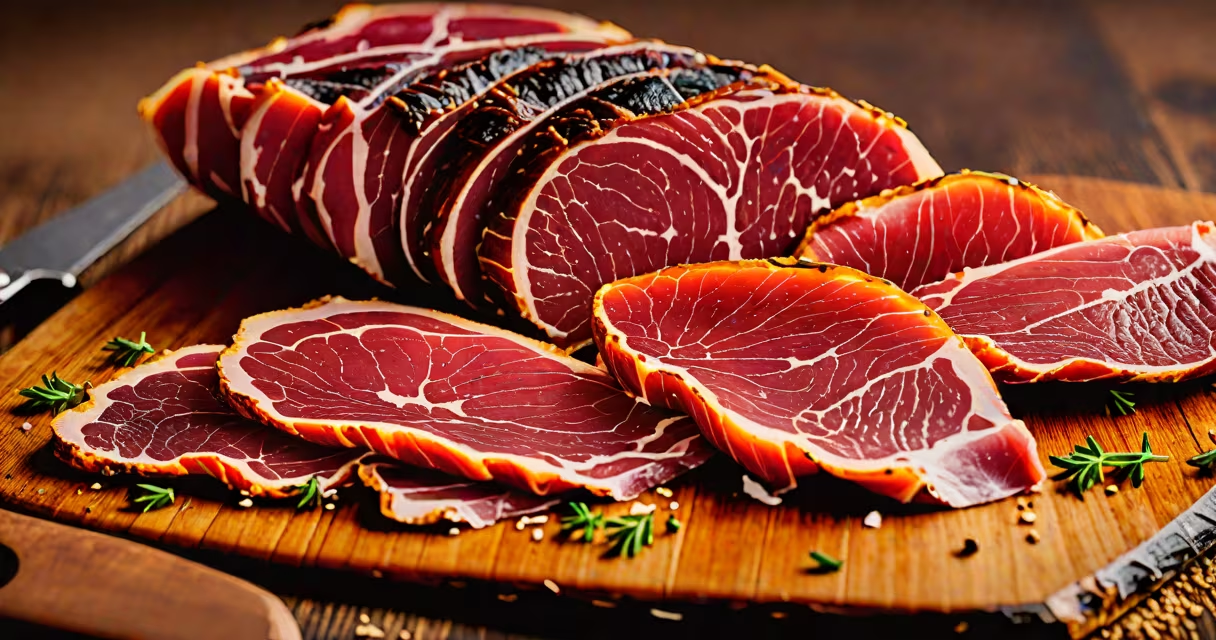
Iberico refers to a specific breed of pig native to the Iberian Peninsula and the high-quality cured ham produced from its meat, known for rich flavor, marbled fat, and strict production standards. The term denotes both animal and product, rooted in geography, genetics, and traditional curing.
The word "iberico" originates from "Iberia," the ancient name for the Iberian Peninsula, encompassing modern-day Spain and Portugal. The pigs are raised primarily in Spain's Extremadura and Andalusia regions, where climate and terrain support their unique diet and lifestyle. These pigs are genetically distinct from commercial breeds, with ancestry tracing back to wild boars.
Authentic iberico ham-known as jamón ibérico-must come from pigs with at least 50% pure iberico bloodline. The highest grade, jamón ibérico de bellota, comes from pigs fed exclusively on acorns in oak forests called monte. This diet imparts a buttery texture and nutty taste, setting it apart from mass-produced cured meats.
Producing authentic iberico involves a multi-year process. Pigs are raised outdoors, often in free-range conditions, where they roam forested areas. They are fed a diet rich in acorns during the final months-called the montanera season-which lasts 3-6 months. Acorns are high in oleic acid, contributing to the ham's distinctive marbling and health profile.
After slaughter, the hind legs are salted and hung to dry for several weeks. They then undergo a minimum 36-month aging period in temperature-controlled cellars. During this time, enzymes break down proteins and fats, developing complex flavors. The result is a dense, aromatic ham with a balance of sweetness, umami, and subtle bitterness.
According to Spain's Denominación de Origen (DO) system, only hams from designated regions and meeting genetic and production criteria may carry the "jamón ibérico" label. The DO ensures traceability from farm to table. For example, Jamón Ibérico de Bellota from Jabugo, a town in Huelva, holds Protected Geographical Indication (PGI) status under EU law.
Not all iberico ham is equal. The quality depends on the pig's bloodline and diet. The following table outlines the four main grades:
| Type | Bloodline | Diet | Flavor Profile | Price Range (per kg) |
|---|---|---|---|---|
| De Bellota | 100% pure iberico | Acorns only | Nutty, sweet, buttery | $150-$250 |
| De Recebo | 75-100% iberico | Acorns + grain | Rich, balanced | $100-$150 |
| De Cebo | 50-75% iberico | Grain feed only | Firm, savory | $50-$80 |
| De Cebo de Campo | 50% iberico | Grass + grain | Lighter, less complex | $30-$50 |
Consumers often confuse "iberico" with generic "prosciutto" or "country ham." But iberico is not interchangeable. Prosciutto is Italian, made from large white pigs, and cured for shorter periods. Iberico requires specific genetics and environmental conditions. A 2021 study by the Spanish Ministry of Agriculture confirmed that iberico ham contains higher levels of monounsaturated fats and antioxidants than most other cured meats.
Many assume "iberico" simply means "Spanish ham." That's incorrect. Not all Spanish ham is iberico. The term applies only to products from the Iberian pig. Regular jamón serrano, for example, comes from white pigs and is cured for only 12-18 months. Its texture is drier, and its flavor is sharper.
Another error is equating "bellota" with "organic." While iberico pigs are free-range and fed natural diets, the term "organic" doesn't apply under EU standards unless certified separately. Bellota ham is not automatically organic-it's labeled based on diet and origin, not farming certification.
I've tasted a iberico ham labeled "de bellota" from a small producer in Extremadura. The leg had been aged 42 months. When sliced, the fat melted into the meat like warm butter. The aroma was earthy, almost like roasted chestnuts. The taste lingered-sweet, salty, with a hint of smoke. It wasn't just food. It was a sensory record of place and time.
What does iberico mean beyond food? It represents a centuries-old tradition of sustainable agriculture. The monte system preserves oak forests, supports biodiversity, and maintains rural economies. In Spain, iberico ham is served during festivals, weddings, and family gatherings. It's not just a dish-it's a cultural artifact.
For chefs, iberico adds depth to dishes. A single slice elevates a simple salad. Paired with Manchego cheese and quince paste, it becomes a classic tapa. In restaurants, it's often served at room temperature to preserve its delicate texture. Cold or hot, it's never reheated-the heat ruins the fat structure.
When shopping, look for the official seal: a red and gold label with the DO designation and a batch number. Without it, the product may be misleading. Some brands market "iberico-style" ham made from crossbred pigs or grain-fed animals. These lack authenticity and flavor complexity.
Understanding what iberico means includes knowing that it's not just a product-it's a standard of excellence. The term reflects heritage, ecology, and craftsmanship. It's not a trend. It's a legacy.