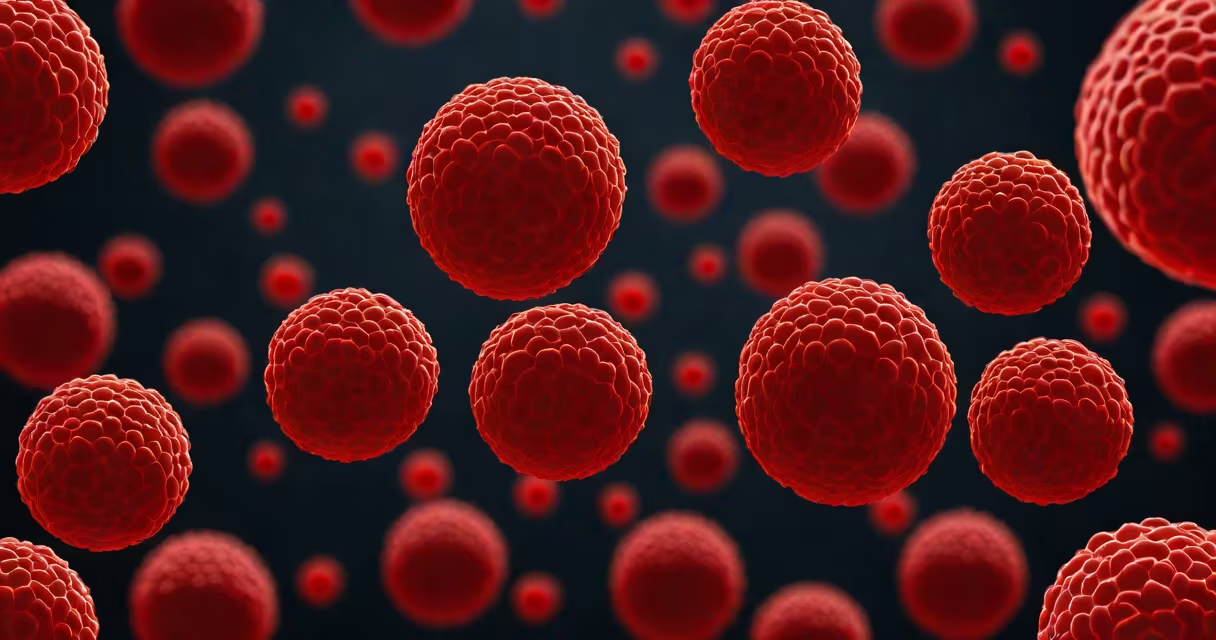
Low erythrocytes means your red blood cell count is below the normal range, indicating anemia. This reduces oxygen delivery to tissues, leading to fatigue, weakness, and shortness of breath. The condition stems from blood loss, poor production, or increased destruction of red cells.
Erythrocytes, or red blood cells, carry oxygen from the lungs to organs and return carbon dioxide for exhalation. A standard complete blood count (CBC) measures erythrocyte concentration. Normal values range from 4.7 to 6.1 million cells per microliter in men and 4.2 to 5.4 million in women. Levels below these thresholds signal low erythrocytes.
The most common cause is iron deficiency, which impairs hemoglobin synthesis. Other causes include chronic disease, vitamin B12 or folate deficiency, kidney failure, and genetic disorders like sickle cell anemia. Some medications and autoimmune conditions can also trigger low erythrocytes.
Clinical labs measure erythrocytes via automated analyzers during routine blood tests. Results appear on a CBC report under "RBC" or "erythrocyte count." Values below the reference range prompt further investigation.
A single low reading doesn't confirm anemia. Doctors compare results over time and assess symptoms. For example, a man with a count of 3.8 million/µL may have mild anemia, while a woman at 3.2 million/µL likely has significant deficiency.
If low erythrocytes are detected, doctors often order additional tests: serum iron, ferritin, total iron-binding capacity (TIBC), vitamin B12, folate, and reticulocyte count. These identify the underlying cause. For instance, low ferritin confirms depleted iron stores, while high TIBC suggests iron deficiency.
Iron deficiency is the top cause of low erythrocytes globally. It arises from inadequate dietary intake, malabsorption (e.g., celiac disease), or blood loss-most often menstrual bleeding or gastrointestinal hemorrhage. The World Health Organization estimates 1.6 billion people worldwide have iron-deficiency anemia.
Vitamin B12 and folate deficiencies impair DNA synthesis in red blood cell precursors. This leads to megaloblastic anemia, where cells are large but dysfunctional. Symptoms include numbness, tingling, and cognitive changes. B12 deficiency is common in older adults and vegetarians.
Chronic diseases such as kidney failure reduce erythropoietin production. This hormone stimulates bone marrow to make red blood cells. Without it, erythrocyte production drops. Chronic inflammation also suppresses erythropoiesis. In these cases, low erythrocytes are secondary to the primary illness.
| Type | Primary Cause | Key Lab Findings | Typical Patient Profile |
|---|---|---|---|
| Iron deficiency | Low iron stores | Low serum iron, low ferritin, high TIBC | Menstruating individuals, vegetarians, those with GI bleeding |
| Megaloblastic | B12 or folate lack | High MCV, low B12/folate | Older adults, strict vegans, post-gastric surgery patients |
| Anemia of chronic disease | Inflammation or organ failure | Normal or low ferritin, low iron, normal/high TIBC | Patients with cancer, rheumatoid arthritis, CKD |
One non-obvious distinction: low erythrocytes due to hemolysis (premature red cell breakdown) often show elevated bilirubin and lactate dehydrogenase (LDH), not low iron. Hemolytic anemia can be inherited (e.g., G6PD deficiency) or acquired (e.g., autoimmune hemolytic anemia).
Many people with mild low erythrocytes feel no symptoms. As levels drop, fatigue becomes prominent. Patients describe persistent tiredness, difficulty concentrating, and reduced exercise tolerance. Physical signs include pale skin, cold hands and feet, and rapid heartbeat.
Severe anemia can lead to heart strain. The heart pumps faster to compensate for low oxygen delivery. Over time, this increases risk of arrhythmias or heart failure. In pregnant women, low erythrocytes raise risks of preterm birth and low birth weight.
I experienced this firsthand during a routine check-up. My RBC was 3.6 million/µL-well below normal. I had no obvious symptoms, but my doctor noticed subtle pallor and ordered follow-ups. Iron studies confirmed deficiency. After six weeks of supplements, my count rose to 4.9 million/µL and energy returned.
Low erythrocytes require diagnosis of the root cause. Self-treatment with iron supplements is risky. Excess iron damages organs and masks other conditions like hemochromatosis. Always consult a physician before starting therapy.
Treatment depends on the cause. Iron deficiency typically responds to oral ferrous sulfate (325 mg daily). Absorption improves with vitamin C and avoidance of tea or coffee during meals. For severe cases, intravenous iron or blood transfusions may be needed.
B12 deficiency is treated with injections or high-dose oral supplements. Folate deficiency requires folic acid tablets. Chronic disease-related anemia may need erythropoietin-stimulating agents (ESAs) in advanced kidney disease.
If low erythrocytes persist despite treatment, further evaluation is essential. Bone marrow biopsy may be required to rule out leukemia or aplastic anemia. Genetic testing can identify rare disorders like thalassemia.
Understanding your results matters. A low erythrocyte count isn't a diagnosis-it's a clue. It signals the need for targeted testing and professional care. Ignoring it risks long-term complications.