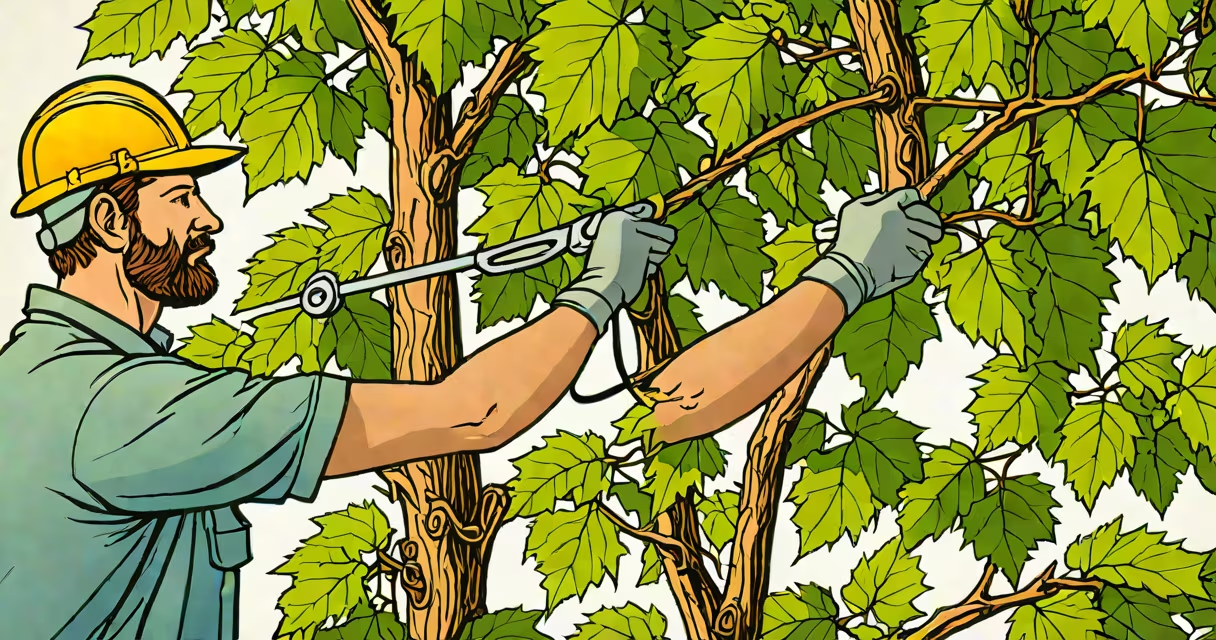
The Bible uses pruning as a metaphor for God's disciplined care, where spiritual growth requires removal of unproductive elements to increase fruitfulness. Jesus describes Himself as the true vine and God as the vinedresser who prunes each branch to improve productivity.
Pruning in Scripture is not punishment but intentional cultivation. It reflects God's active role in shaping believers' lives. The core passage is John 15:1-8, where Jesus declares, "I am the true vine, and my Father is the gardener." He explains that every branch connected to Him that does not bear fruit is removed, while those that do bear fruit are pruned to produce even more.
This imagery draws from ancient agricultural practice. Vineyards in Judea required regular pruning to prevent overcrowding and ensure quality harvests. Jesus repurposes this familiar concept to describe spiritual health. A branch left unpruned becomes weak, overgrown, and eventually dies. Similarly, believers who neglect discipline or fail to grow in faith lose their connection to Christ.
Pruning in biblical context involves both removal and renewal. The Greek word *kathairo* (used in John 15:2) means to cleanse, purify, or remove. It implies deliberate action-not random destruction. God does not prune out of anger but to restore vitality.
Jesus clarifies that pruning happens through His Word. "The word I have spoken to you is spirit and life," He says in John 6:63. When believers engage with Scripture, they undergo internal transformation. Unhealthy habits, pride, or false beliefs are cut away so that obedience and love can flourish.
A practical example: a believer struggling with gossip may repeatedly speak ill of others. After reading James 1:26 ("If anyone thinks he is religious and does not bridle his tongue, his religion is worthless"), they recognize the pattern. Through prayer and study, they begin to monitor speech. This process-awareness, repentance, change-is spiritual pruning.
While the Bible doesn't list formal "types" of pruning, patterns emerge from Scripture. These reflect different stages and forms of divine discipline.
| Form of Pruning | Biblical Basis | Effect |
|---|---|---|
| Removal of unfruitful branches | John 15:2 | Branches disconnected from Christ due to lack of spiritual fruit are taken away. |
| Trimming of productive branches | John 15:2 | Those bearing fruit are pruned to increase yield-growth through refinement. |
| Discipline through suffering | Hebrews 12:5-11 | God disciplines those He loves, like a father corrects a child, to promote holiness. |
| Renewal through trials | James 1:2-4 | Temptations and hardships test faith and produce endurance, which leads to maturity. |
These forms aren't mutually exclusive. A believer may face trial (suffering), then gain clarity through Scripture (removal of pride), and finally grow in patience (increased fruit).
Many assume pruning means pain equals progress. That's incorrect. Pain without purpose is not spiritual pruning. The Bible distinguishes between suffering caused by sin and suffering ordained by God for growth.
Another error is equating pruning with punishment. The vinedresser in John 15 is not harsh-he is patient and attentive. He knows each vine's needs. God's discipline is consistent with His nature: loving, just, and wise. As Proverbs 3:12 states, "The Lord disciplines those He loves, just as a father disciplines the son he delights in."
A lesser-known point: pruning doesn't happen only during crises. Daily engagement with Scripture, confession, and service are acts of ongoing pruning. The early church practiced daily fellowship (Acts 2:42), which included accountability and correction-consistent with spiritual maintenance.
Consider a young Christian who volunteers at a homeless shelter. They start with enthusiasm but feel drained after six months. Burnout sets in. They stop attending meetings and avoid prayer. Their spiritual life stagnates.
Through reflection and conversation with a mentor, they realize their motivation was rooted in performance, not love. They had become focused on results rather than relationship. This awareness is the first step of pruning.
They begin reading Philippians 2:3-4: "Do nothing out of selfish ambition or vain conceit. Rather, in humility value others above yourselves." They recommit to serving not for recognition but to reflect Christ's compassion. Over time, their joy returns. They start mentoring others. Their service becomes sustainable and fruitful.
This sequence-overextension, recognition of imbalance, surrender, renewal-mirrors John 15's model. The vinedresser didn't discard the branch; He trimmed it to restore strength and purpose.
Modern culture promotes constant productivity and visible success. But the Bible teaches that lasting fruit comes not from relentless effort but from abiding in Christ. Without connection to the vine, even the most active believer produces nothing.
When we view hardship, correction, or loss as pruning, we see God's hand in our lives. We stop resisting and start trusting. As Augustine wrote, "God does not heal us because we are broken, but He breaks us so we may be healed."
Understanding pruning shifts focus from outcomes to relationship. It changes how we respond to failure, disappointment, or change. Instead of asking, "Why is this happening?" we ask, "What is God forming in me?"