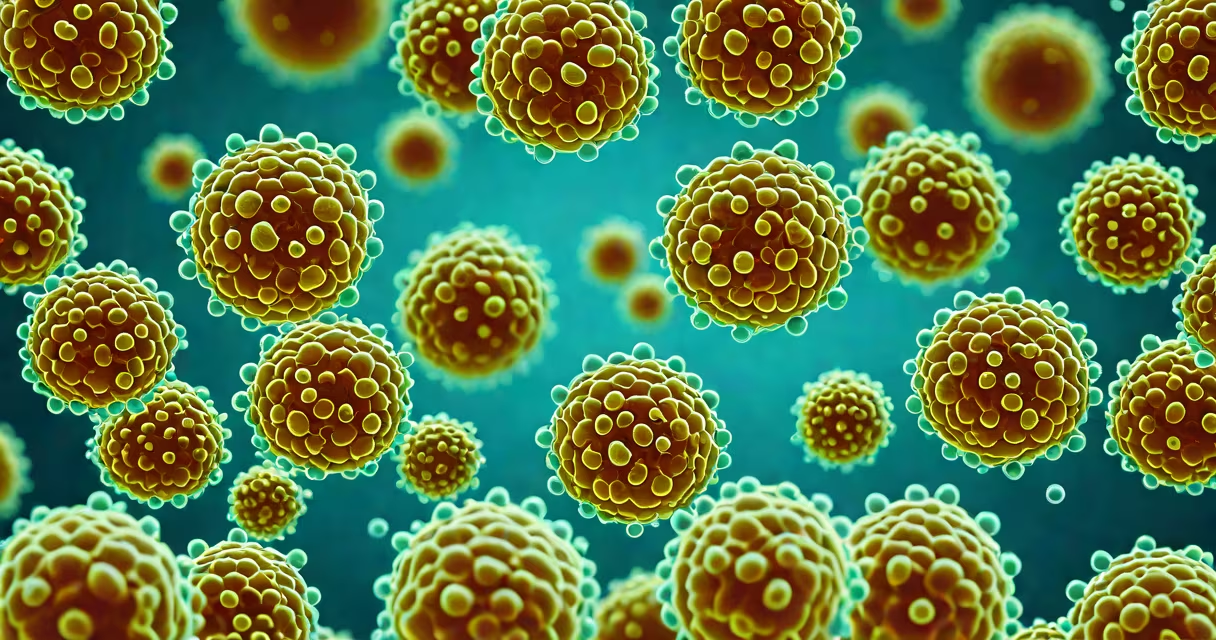
A stem cell is an undifferentiated biological cell that can develop into many different cell types and divide to produce more stem cells. These cells serve as the body's internal repair system, replenishing specialized cells throughout life.
Stem cells originate from early embryonic development or persist in adult tissues. Their defining trait is potency-the ability to self-renew and differentiate into specific lineages such as muscle, nerve, or blood cells. This dual capacity enables them to maintain tissue integrity and respond to injury.
The term "stem cell" encompasses several categories based on origin and potential. Embryonic stem cells (ESCs) arise from the inner cell mass of blastocysts, typically within five days of fertilization. Adult stem cells reside in specific tissues like bone marrow and the brain, supporting ongoing maintenance. Induced pluripotent stem cells (iPSCs) are reprogrammed adult cells engineered to behave like ESCs.
Stem cells function through asymmetric division: one daughter cell remains a stem cell, while the other begins to differentiate. This process ensures a constant supply of undifferentiated cells while generating mature functional cells.
Differentiation is guided by signals from the surrounding microenvironment, known as the niche. Chemical gradients, cell-to-cell contact, and mechanical cues influence whether a stem cell becomes a skin cell, neuron, or heart muscle cell. For example, in the bone marrow, signaling molecules like SCF (stem cell factor) and CXCL12 direct hematopoietic stem cells toward blood cell formation.
When tissue damage occurs, stem cells activate and migrate to the site of injury. In the liver, hepatic progenitor cells respond to injury by proliferating and replacing damaged hepatocytes. In the skin, epidermal stem cells in the basal layer continuously renew the outermost layer, replacing dead cells every 28 days.
Stem cells are classified by their potency-the range of cell types they can become. Totipotent cells, like the zygote, can form a complete organism. Pluripotent cells, including ESCs and iPSCs, generate all three germ layers (ectoderm, mesoderm, endoderm) but cannot form extraembryonic tissues like placenta.
| Type | Potency | Source | Use Case |
|---|---|---|---|
| Embryonic (ESC) | Pluripotent | Blastocyst inner cell mass | Research models, disease simulation |
| Induced Pluripotent (iPSC) | Pluripotent | Reprogrammed adult cells (e.g., skin fibroblasts) | Personalized medicine, drug testing |
| Hematopoietic (HSC) | Multipotent | Bone marrow, umbilical cord blood | Blood cancer treatment, immune disorders |
| Neural | Multipotent | Brain ventricles, spinal cord | Neurodegenerative disease research |
IPSCs were first generated in 2006 by Shinya Yamanaka, who later won the Nobel Prize in Physiology or Medicine for this breakthrough. His team reprogrammed mouse fibroblasts using four transcription factors: Oct4, Sox2, Klf4, and c-Myc. Human iPSCs followed shortly after, enabling patient-specific cell lines without embryo destruction.
Adult stem cells have limited differentiation potential compared to pluripotent types. Hematopoietic stem cells, for instance, give rise only to blood cells-red blood cells, white blood cells, and platelets-but not neurons or muscle fibers. This restriction prevents unintended tissue growth and reduces cancer risk during transplantation.
Stem cells are central to regenerative medicine, aiming to restore lost function rather than manage symptoms. Bone marrow transplants, a form of hematopoietic stem cell transplant, treat leukemia, lymphoma, and severe autoimmune diseases. In 2022, over 20,000 allogeneic transplants were performed globally, according to the National Marrow Donor Program.
For example, a 32-year-old woman with acute myeloid leukemia received a matched donor transplant after failing chemotherapy. Her bone marrow was ablated with high-dose busulfan and cyclophosphamide-regimen known as conditioning. Within 21 days, donor-derived neutrophils appeared in her blood, confirming engraftment. By day 45, she had full hematologic recovery. This outcome reflects the success rate of stem cell transplant chemo in eligible patients, which exceeds 70% at five years for certain cancers.
Regenerative therapies using mesenchymal stem cells (MSCs)-derived from fat or bone marrow-are being tested for osteoarthritis and Crohn's disease. A 2021 phase II trial showed that intra-articular injections of MSCs reduced pain scores by 40% in knee osteoarthritis patients over six months. However, results remain mixed, and long-term efficacy is still under investigation.
One common misconception is that stem cell clinics offering unproven treatments are safe or effective. In reality, the U.S. FDA has issued warning letters to over 100 clinics since 2018 for marketing unapproved stem cell products. These treatments often lack rigorous clinical trials and may cause infections, tumors, or immune reactions. Always verify that a therapy is registered with the FDA or approved by an IRB (Institutional Review Board).
Stem cells are not synonymous with "growth factors" or "nutrient-rich supplements." While some products claim to boost stem cell activity, no oral supplement has demonstrated proven effects on endogenous stem cell populations in humans. The body regulates stem cell behavior through tightly controlled signaling pathways-not dietary intake.
Another error is assuming all stem cells are equal. Pluripotent cells can generate any cell type, but they carry higher risks of teratoma formation-tumors composed of multiple tissue types-if improperly differentiated. In contrast, adult stem cells are safer for transplantation due to their restricted fate, though they are harder to isolate and expand in culture.
I once observed a lab session where researchers attempted to differentiate iPSCs into pancreatic beta cells. After 28 days of exposure to activin A, retinoic acid, and exendin-4, only 15% of cells expressed insulin. The remaining 85% failed to mature properly. This highlights the complexity of directing stem cell fate-even with precise protocols, efficiency varies between labs.
Stem cells are not magic. They do not reverse aging or cure Alzheimer's in a single injection. Their therapeutic value lies in controlled, evidence-based applications. For instance, the first FDA-approved stem cell therapy, Holoclar, treats limbal stem cell deficiency-a rare condition causing blindness-using cultured corneal epithelial cells derived from autologous stem cells.
Understanding what exactly is a stem cell requires recognizing both their promise and limitations. They are useful tools in biology and medicine, but only when applied correctly. Research continues to refine methods for safe expansion, targeted delivery, and precise differentiation.